
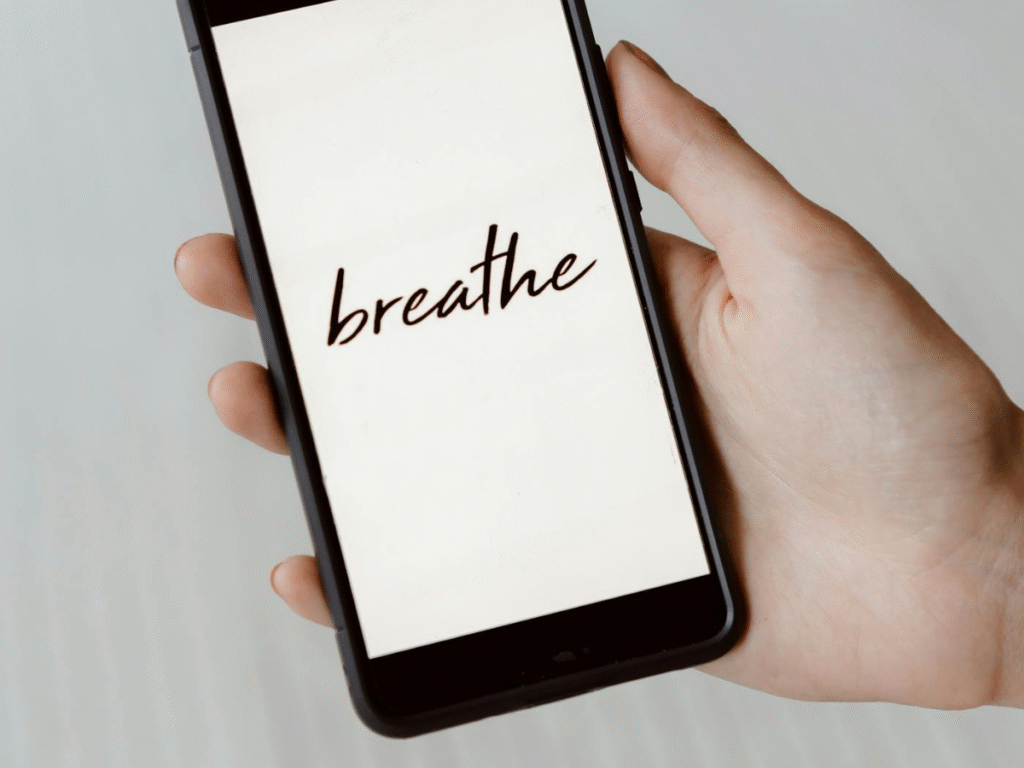










Hey there! đŒ If youâre looking for a way to ease stress and cultivate a sense of calm, Iâve got some great tips for you! Your voice can be a powerful tool in this journey. Letâs dive into some easy techniques that you can start using right away!
1. Start with Deep Breathing
Understanding the Connection:Our breath and voice are deeply interconnected. By practicing deep breathing, you can quickly set the stage for relaxation.
How to Do It:
Find a Comfortable Spot.Sit or lie down in a quiet area.
Inhale Deeply.Breathe in through your nose for a count of 4.
Hold It.Pause for a moment.
Exhale Slowly.Let it out through your mouth for a count of 6.
Repeat this for 5-10 minutes, focusing on how your voice sounds as you exhale.
2. Use Your Voice to Hum
Why Humming Works:Humming activates the vagus nerve, helping reduce anxiety and promote a feeling of safety.
How to Do It:
Pick a Tune.Choose a simple melody you love.
Close Your Eyes.This helps to center your focus.
Hummm…Let out a steady hum for as long as is comfortable.
Notice how your body feels with each vibration!
3. Explore Affirmations
What Are Affirmations? Affirmations are positive statements that can reinforce your confidence and calmness.
How to Do It:
Create Your List.Write down a few affirmations that resonate with you, like âI am calm and in control.â
Speak Out Loud.Recite these affirmations daily, standing in front of a mirror helps boost their effect.
Feeling silly? Just remember, youâre doing this for YOU!
4. Practice Soft Singing or Chanting
Benefits of Singing:Whether itâs a soft song or a simple chant, using your voice this way can lift your spirits.
How to Do It:
Choose Your Piece.Pick something uplifting or calming.
Tone Down the Volume.Soft singing releases tension without pushing your limits.
Singing in the shower? Perfect! đđ
5. Engage in Guided Meditation
Combining Your Voice and Mind:Guided meditations often utilize voice to instill calm.
How to Do It:
Choose a Resource.Look for meditation apps or YouTube channels.
Follow Along.Close your eyes and focus on the narratorâs voice, letting it guide you towards relaxation.
Youâll be amazed at how much calmer this can leave you feeling!
6. Record Yourself
The Power of Playback:Listening to your voice can sometimes help you reflect and enjoy moments of calm.
How to Do It:
Speak Your Thoughts.Record yourself expressing how youâre feeling or sharing positive thoughts.
Play It Back.Listen to it later, allowing yourself to reconnect with that sense of calm.
Final Thoughts:
Remember, cultivating calmness through your voice is a personal journey, and it might take a bit of practice.
Maintain a Consistent Routine:Incorporate these techniques into your daily routine, and trust me, youâll start to feel lighter and more centered.
Connect with Yourself:Take a moment each day to just breathe and use your voice as a tool for peace and clarity. đ
Navigating relationships can often be tricky, and itâs crucial to identify when someone might not have genuine intentions. Hereâs a straightforward guide to help you determine if a guy is using you.
Signs That He May Be Using You
1.Lack of Consistent Communication
Infrequent Contact: If he only reaches out when he needs something, it may indicate his lack of genuine interest.
One-sided Conversations: If your interactions revolve solely around his needs or interests, itâs a red flag.
2.Minimal Emotional Investment
Avoids Deeper Conversations: If he steers clear of discussing feelings or future plans, he may not be invested.
Limited Support: Observe whether he supports you during tough times or if he disappears when you need him.
3.Unbalanced Efforts
You Do All the Work: If you find yourself planning most of the dates or initiating conversations, this imbalance can be telling.
Only Engages When Itâs Convenient: If he only wants to hang out on his terms, it suggests a selfish approach.
4.Focus on Physical Relationship
Rushing Intimacy: If he seems more interested in physical aspects rather than forming a deeper connection, this may indicate ulterior motives.
Disregard for Your Boundaries: Respect for your personal boundaries is critical; a lack of it may signal that heâs only interested for personal gain.
How to Address Your Concerns?
1.Open Communication
Express Your Feelings: Share your observations and feelings with him. A direct conversation can clarify misunderstandings.
Ask for Clarity: Inquire about his intentions and see how he responds. Genuine individuals will engage earnestly.
2.Set Boundaries
Establish Expectations: Clearly outline what you want from the relationship and observe his reaction.
Maintain Personal Space: Donât hesitate to take a step back if you feel uncomfortable or undervalued.
3.Trust Your Instincts
Listen to Your Gut: If something feels off, pay attention to those feelings. Your intuition often knows more than you realize.
Be Aware of Red Flags: Keep an eye out for consistent behaviors that align with the signs mentioned above.
Conclusion
Recognizing when a guy is using you is essential to maintaining healthy boundaries in any relationship. Always remember:
Trust your instincts.
Prioritize your value and well-being.
Donât be afraid to walk away from situations that donât serve you.
Being informed and vigilant can empower you to build relationships based on mutual respect and genuine interest.
If you find yourself in a situation where you are unsure, seeking advice from friends or a professional can provide additional perspective and support.
When your partner thinks of you as an accessory, not an intimate, you might be dealing with a narcissist wife.
Narcissists view partners not as people, but symbols of relational success.
There are ways to evaluate the pursuit of true love or self-love.
Narcissists reveal their true motives through how they define “quality time” with you.
Are you dating someone who canât pass a mirror without sneaking a peak at a polished appearance, or never misses an opportunity to showcase accomplishments or achievements? If you suspect you are dating a narcissist, and especially if âdate nightsâ consist of see-and-be-seen galas and functions instead of private time together, you might justifiably worry that your partner views you as an arm charm, not as an intimate.
Narcissists not only see current partners as trophiesâas I have explained in a previous entry[i]âbut keep trophies from past relationships. They keep inanimate objects associated with past relationships, not out of nostalgia but as symbols of relational success.[ii] If you suspect you are dating someone with narcissistic tendencies, does that mean you are a trophy, too? Research has some answers.
Source: Image by Living Frames from Pixabay
Narcissists Navigate Partner Value
Not everyone who displays self-centered tendencies is a narcissistâeither practically or clinically. But dater beware: some charming and attractive people who display narcissistic tendencies may pursue partners not out of true love, but self-love.
Carrie Haslam and V. Tamara Montrose (2015) in an article entitled âShould Have Known Betterâ[iii] discuss the strength of female attraction to the narcissistic personality, including wanting to mate with and marry self-absorbed partners. They define narcissism as a member of The Dark Triad, a trio of problematic personality types which also includes Machiavellianism and psychopathy. More prevalent in men than women, they note that narcissism includes traits such as an exaggerated sense of self-importance, feelings of entitlement, vanity, self-sufficiency, and manipulation. They note that narcissists rank high in extraversion but low in agreeableness, which might contribute to how most of us perceive such individuals: flashy and fun at first impression, but bad news in the long term.
Haslam and Montrose explain that despite the negative qualities, narcissistic men also possess qualities linked with higher status and the ability to provide resourcesâtraits that are desirable in both short and long-term mating scenarios. They also explain how narcissists choose partners.
Competing for the Trophy
In addition to reproductive benefits, narcissistic men select partners who will make them look good. Haslam and Montrose note that narcissists are attracted to individuals with high social status who can provide image enhancement by association. Combined with a lack of relational commitment, this desire to accessorize through attractive partners can create a scenario where narcissistic individuals are constantly looking for relational alternatives who are more attractive or higher in status.
In contemplating whether your partner pursued you out of love, attraction, or self-enhancement, here are a few factors to consider.
How to Evaluate Whether You Are a Partner or an Arm Charm?
Consider whether your paramour seeks to spend quality time with you or is more interested in showing you off. Healthy relationships are characterized by a desire to enjoy private time with a special person, not display a partner as a public symbol of success. If date nights consistently involve dinners at crowded, trendy restaurants or gala functions with paparazzi snapping photos for the local society column, you can justifiably conclude that motive matters.
Also, consider how your partner articulates your positive traits. Does he compliment you on your compassion or clothing? Your sensitivity or sense of style? Narcissists demonstrate they do not value you as a personal package if they are only focused on the shiny wrapping and bow, preferring flash over substance. Although you may be flattered by their positive attention, consider the motives behind the admiration.
One of the biggest and most obvious red flags is that a narcissist who sees you as a prize, not a person, is unlikely to express interest in learning about you. That means asking few if any personal questions, preferring superficial over serious. It is best to recognize the narcissistic personality sooner rather than later, to shake off the rose-colored glasses to see your way clearly to finding a relational alternative that values you as an individual, not an accessory.
[ii] Niemyjska, Aleksandra, RĂłĆŒa BaziĆska, and Krystyna Drat-Ruszczak. 2020. âHunting Lovers: Narcissists Keep Trophies from Their Past Relationships.â Personality and Individual Differences 163 (September). doi:10.1016/j.paid.2020.110060.
[iii] Haslam, Carrie, and V. Tamara Montrose. 2015. âShould Have Known Better: The Impact of Mating Experience and the Desire for Marriage upon Attraction to the Narcissistic Personality.â Personality and Individual Differences 82 (August): 188â92. doi:10.1016/j.paid.2015.03.032.
Wendy L. Patrick, J.D., Ph.D., is a career trial attorney, behavioral analyst, author of Why Bad Looks Good, Red Flags, and co-author of the revised New York Times bestseller Reading People.
Hereâs a specific morning meditation technique that you can easily incorporate into your routine. It’s called “Breath Awareness and Affirmation” â a powerful and simple approach that combines mindful breathing with positive affirmations to set the tone for the day.
Breath Awareness and Affirmation Technique:
1. Start with Deep Breathing (3-5 minutes):
Find a Comfortable Seat: Sit in a chair, cushion, or on the floor. Keep your spine straight and your shoulders relaxed.
Breathe In Deeply: Slowly inhale through your nose, filling your belly, then your chest. Hold the breath for a second at the top.
Exhale Slowly: Exhale through your mouth or nose (whichever feels more natural), releasing any tension.
Repeat for 3â5 deep breaths, letting go of the night’s sleep and any leftover tension in your body.
2. Shift to Gentle Breath Awareness (3-5 minutes):
Now, let your breath return to its natural rhythm. Donât control itâjust observe.
Notice the Sensations: Feel the coolness of the air entering your nostrils and the warmth as you exhale.
Anchor in the Breath: Whenever your mind starts to wander, gently bring your focus back to your breath. Keep bringing your awareness back to the flow of the inhale and exhale.
3. Add Positive Affirmations (5-7 minutes):
After youâve settled into a peaceful rhythm with your breath, begin incorporating affirmations.
Choose Your Affirmation: Pick a short phrase or statement that resonates with you and aligns with how you want to feel today. Some examples:
âI am at peace and present in the moment.â
âToday, I am open to new opportunities and growth.â
âI am grounded, calm, and confident.â
Repeat Silently to Yourself: As you inhale, silently say the affirmation in your mind. For example, as you breathe in, think, “I am calm.”
On the exhale, repeat the second part: “I am ready for the day.”
Sync with the Breath: Let each inhale and exhale guide the flow of your affirmation. Imagine the affirmation expanding with each breath, filling your body with positive energy and intention.
4. Visualize Your Day (2-3 minutes):
With your affirmations in place, take a moment to visualize your day unfolding with ease.
Picture yourself moving through your day with calmness and confidence, handling challenges gracefully, and radiating positivity.
See yourself achieving your goals, whether big or small, with a sense of satisfaction.
5. Close the Meditation (1-2 minutes):
Take a deep breath in, holding it for a moment. As you exhale, let go of any remaining tension in your body.
Gently bring your awareness back to the present, wiggle your fingers and toes, and slowly open your eyes.
Set your intention: As you transition to your day, hold on to your affirmations and intentions. Carry that sense of calm and purpose with you.
Breaking the Silence: Pathways to Mental Wellness in a Stressed World
In today’s fast-paced environment, where stress and uncertainty often overshadow daily life, prioritizing mental health has never been more essential. Platforms like fitnesshacksforlife and its sign-up portal at are leading the charge by offering tools and connections that make wellness approachable for everyone. These resources embody a simple yet profound commitment: We’re committed to enhancing mental health with accessible, compassionate care, dismantling stigma, providing resources, and fostering a supportive community where people feel heard, supported, and empowered. By joining this movement, individuals can access a wealth of information tailored to overcome common barriers to emotional well-being.
Breaking the Stigma
Mental health stigma reduction stands at the forefront of this effort. For far too long, societal judgments have silenced those grappling with invisible struggles, turning personal challenges into sources of isolation. Stigma thrives in silence, but it crumbles when stories are shared openly and without fear. Initiatives focused on mental health stigma reduction encourage open dialogues, normalizing conversations about emotions as readily as we discuss physical ailments. Imagine a world where admitting to feeling overwhelmed is met with empathy rather than skepticism. This shift begins with education and representation, highlighting that one in five adults experiences mental illness annually, yet recovery is possible with the right support. By challenging outdated myths, such as the notion that seeking help signals weakness, we pave the way for healthier minds and stronger communities.
Democratizing Care
Central to this transformation is accessible mental health care, a cornerstone that ensures no one is left behind due to financial, geographical, or logistical hurdles. Traditional therapy models often feel out of reach, with long waitlists and high costs deterring potential seekers. However, modern approaches are democratizing care through telehealth options, sliding-scale fees, and community-based programs. Accessible mental health care means integrating support into everyday life, whether via mobile apps for quick check-ins or local workshops that build coping skills. This inclusivity is vital for underserved populations, including rural residents or low-income families, who might otherwise forgo treatment. The result? A ripple effect of resilience, where early intervention prevents crises and promotes long-term stability.
Navigating Your Wellness Journey
A key enabler of this accessibility is the mental health resources directory, serving as a comprehensive roadmap for those navigating their wellness journey. Picture a one-stop hub listing crisis hotlines, support groups, educational webinars, and evidence-based apps, all vetted for reliability. Such directories cut through the noise of online searches, offering curated recommendations that save time and reduce overwhelm. For instance, entries might include national lines like the 988 Suicide and Crisis Lifeline alongside niche resources for specific conditions, ensuring relevance and immediacy. Users can filter by need, from grief counseling to parenting under pressure, making the process intuitive and empowering. In essence, a robust mental health resources directory not only informs but also inspires action, turning passive awareness into proactive steps toward healing.
The Power of Connection
At the heart of sustainable change lies the supportive mental wellness community, a network of shared experiences that combats loneliness head-on. Humans are wired for connection, yet modern isolation exacerbates mental strain. A supportive mental wellness community counters this by creating safe spaces, both virtual and in-person, where vulnerability is celebrated. Online forums, peer-led meetups, and collaborative challenges foster belonging, reminding participants they are not alone in their battles. These communities often incorporate elements like anonymous sharing threads or buddy systems, building trust gradually. The power here is collective: One person’s breakthrough story can ignite hope in dozens, while group accountability encourages consistent self-care practices. Over time, engagement in such communities yields measurable benefits, including reduced symptoms of isolation and heightened life satisfaction.
Taking Action
For those facing immediate hurdles, anxiety depression self-help strategies offer practical, immediate relief without the wait for professional input. Anxiety and depression, affecting millions worldwide, manifest as persistent worry, low energy, or motivational slumps, but self-help tools equip individuals to reclaim control. Techniques range from mindfulness exercises, like five-minute breathing routines, to journaling prompts that unpack negative thought patterns. Cognitive behavioral therapy-inspired workbooks, freely available online, guide users through reframing distortions, such as catastrophizing future events. Physical integrations, like gentle walks in nature, complement these by releasing endorphins naturally. The beauty of anxiety depression self-help lies in its autonomy: It empowers users to build a personalized toolkit, fostering independence while bridging to deeper therapy when needed. Consistency is key; even small daily wins accumulate into profound shifts.
The Foundation of Healing
Underpinning all these elements is compassionate mental health support, the empathetic glue that makes interventions truly effective. Compassion goes beyond sympathy, involving active listening and validation that honors each person’s unique narrative. Providers trained in trauma-informed care prioritize safety, avoiding re-traumatization through gentle pacing and cultural sensitivity. This approach shines in peer support roles, where lived experiences lend authenticity, or in professional settings via motivational interviewing that co-creates goals. Compassionate mental health support recognizes that healing is non-linear, offering grace for setbacks and celebration for progress. It dismantles power imbalances, ensuring voices from diverse backgrounds are amplified equally.
Moving Forward Together
As we reflect on these interconnected pillars, the path forward becomes clearer. Dismantling stigma through education, bolstering access with innovative directories, nurturing communities of connection, and arming individuals with self-help arsenals all converge under the banner of compassionate care. Platforms dedicated to this mission, like those mentioned earlier, are not just websites; they are lifelines weaving empathy into the fabric of society. By engaging with these resources, we collectively contribute to a culture where mental health is destigmatized, democratized, and deeply valued.
Your Journey Starts Now
The journey to empowerment starts with a single step: acknowledging our needs and reaching out. Whether browsing a resources directory for the first time or joining a community thread, every interaction builds momentum. In a world quick to judge, choosing compassion for ourselves and others is revolutionary. Let’s commit to this shared vision, where support is abundant, stigma is obsolete, and every individual thrives in their empowered state. The tools are here; the community awaits. Your story, once shared, could light the way for another.
In an era defined by rapid change and hidden pressures, embracing mental health as a vital aspect of life is crucial for personal and collective growth. Dedicated spaces such as Fitness Hacks for Life and its engagement hub provide essential gateways to this vital work. These platforms reflect a heartfelt pledge: We’re committed to enhancing mental health with accessible, compassionate care, dismantling stigma, providing resources, and fostering a supportive community where people feel heard, supported, and empowered. Through active participation, users discover pathways that transform challenges into opportunities for profound self-discovery and connection.
The empowered mental health journey begins with recognizing that healing is not a destination but a dynamic process of growth and adaptation. This journey invites individuals to step into their own narrative, armed with intention and grace. Far from a linear path, it acknowledges the ebbs and flows of emotional tides, encouraging milestones like setting boundaries or celebrating small victories over doubt. Personal empowerment emerges when one shifts from victimhood to authorship, perhaps through reflective practices that uncover hidden strengths. Research shows that those who actively engage in their mental health journey report higher levels of satisfaction and purpose, as they learn to navigate triggers with wisdom rather than reaction. This empowerment fosters a sense of agency, turning potential roadblocks into stepping stones toward a more vibrant existence.
When immediate threats arise, the crisis mental health hotline emerges as a beacon of urgent, unwavering aid. These lifelines operate around the clock, offering confidential conversations with trained listeners who specialize in de-escalation and guidance. In moments of overwhelming despair or acute panic, dialing a crisis mental health hotline can bridge the gap between isolation and intervention, often preventing escalation to emergency services. For example, services like the 988 Lifeline in the U.S. have handled millions of calls, proving their role in immediate stabilization. Beyond the call itself, follow-up resources ensure continuity, linking callers to local therapists or peer networks. The hotline’s power lies in its immediacy and non-judgmental stance, reminding those in crisis that help is just a ring away, and no burden is too heavy to share.
Complementing these rapid responses are mental health empowerment tools, versatile instruments designed to build lasting inner fortitude. These tools span digital and analog formats, from guided meditation apps that cultivate mindfulness to printable worksheets for tracking mood patterns. Empowerment through such resources demystifies self-management, teaching users to identify early warning signs like irritability or withdrawal before they intensify. Interactive elements, such as customizable affirmation trackers or virtual reality exposure therapy simulations, make these tools engaging and adaptable. Studies highlight their efficacy: Regular use of mental health empowerment tools correlates with a 30 percent drop in anxiety symptoms over three months. By equipping individuals with practical skills, these aids promote proactive wellness, reducing reliance on crisis interventions and enhancing everyday resilience.
No aspect of mental health thrives in solitude; the community-driven mental health model underscores the transformative force of shared humanity. This approach harnesses collective wisdom, where diverse voices converge to co-create solutions that resonate universally. Community-driven initiatives might include virtual town halls on burnout prevention or grassroots campaigns against workplace stigma, all fueled by participant input. In these ecosystems, stories of triumph and trial intermingle, forging bonds that extend beyond screens into real-world solidarity. The benefits are tangible: Participants in community-driven mental health efforts often experience lower depression rates and stronger social ties, as mutual encouragement amplifies individual efforts. This model democratizes expertise, valuing lived experiences alongside professional insights to craft inclusive strategies that honor cultural nuances and personal contexts.
Integrating these elements creates a holistic framework for mental well-being. The empowered mental health journey gains momentum with crisis mental health hotlines as safety nets, mental health empowerment tools as daily allies, and community-driven mental health as the nurturing soil. Together, they address root causes while honoring immediate needs, cultivating environments where vulnerability fuels strength. Platforms championing this integrated vision serve as catalysts, inviting users to explore resources that align with their unique rhythms.
Consider the ripple effects: A single hotline call might inspire a journaling habit via an empowerment tool, which in turn sparks involvement in a community forum. Such synergies dismantle the isolation stigma perpetuates, replacing it with narratives of collective uplift. As global awareness grows, with organizations reporting a surge in help-seeking behaviors post-pandemic, the demand for these interconnected supports intensifies. Yet, accessibility remains paramount, ensuring tools and communities reflect the world’s diversity, from urban youth to rural elders.
Ultimately, committing to this ecosystem is an act of radical self-kindness and communal solidarity. It challenges the outdated view of mental health as a solo endeavor, affirming instead that our journeys intertwine for mutual elevation. By leveraging hotlines for stability, tools for skill-building, and communities for connection, we not only survive but flourish. The invitation stands: Dive into these resources, share your voice, and witness how one empowered step ignites a chain of compassionate change. In this shared pursuit, stigma fades, resources abound, and empowerment becomes the norm.
If youâre in an abusive relationship, you may not realize that your behavior encourages the relationshipâs unhealthy dynamics. Often codependents are in abusive relationships with addicts or people who have mental illness. From my personal and professional experience, itâs hard â nearly impossible â to change the dynamics in abusive relationships without support, particularly in a long-term relationship.
This makes sense considering the definition of codependency. Codependents have a âlost self,â in that their thinking and behavior revolve around someone else. Due to dysfunctional parenting, codependents have lost touch with their ability to respond to their internal cues. Theyâve come to believe that theyâre inferior and that what they feel, think, need, and/or want, is unimportant. This is their hidden shame. As a result, they hold an unconscious belief that they donât truly deserve to be loved simply for who they are, but that they have to earn love. This causes basic insecurity and fear of being abandoned.
Because many codependents have become alienated from their feelings, the drama of an intimate relationship with someone addicted or mentally disordered can feel energizing or familiar if their childhood was similar. Additionally, addicts and people with narcissistic personality disorder (NPD) and borderline personality disorder (BPD) are often charismatic and romantic. They can be seductive and love-bomb their codependent partner with compliments, promises, and gestures of love. Codependents yearn for love and connection, and being desired makes them feel lovable. But their dependency and low self-esteem make them susceptible to seduction, and they confuse romance with real love.
Codependents cope with fears of criticism, rejection, and abandonment by giving, understanding, pleasing, and being helpful. Their partner defines the relationship, and they go along to get along and maintain it. In fact, their brain habituates to being controlled. They admire a narcissistâs boldness, conviction, and perceived strength (qualities they themselves lack) and enjoy a supportive role and feeling taken care of. With addicts and persons with BPD, theyâre often in the role of helper and nurturer. To the codependent, being needed feels like love. It boosts their self-esteem and assures them that they wonât ever be abandoned. However, addicts and people with NPD and BPD have deep shame, and they project their inner demons onto the very individual who loves and is trying to help them.
Codependentsâ reactive role amplifies their focus on their partner, while they hide who they are. They increasingly try to control the uncontrollable, sacrifice themselves, and try harder to please and be accepted. Although at first, they were idealized, now theyâre devalued. A person with BPD vacillates between idealizing-caring behavior and devaluing-rejecting behavior. Instead of acting needy as someone with BPD, people with NPD act needless and can be remote and emotionally cold. Some may show friendliness toward their partner, while others are continually critical and contemptuous. The more that love is withheld or inconsistent, the more codependents try to win it, falling into the trap of turning over their self-esteem and sense of well-being to their partner. They never feel good enough, reinforcing their hidden shame.
How Abusive Relationships Worsen Codependency
This unspoken contract works for a while because codependents provide safety and stability to an emotional, insecure addict or partner with BPD and provide missing warmth and connection to a partner with NPD. But due to their own insecurity and weak boundaries, codependents absorb the blame, guilt, and shame dished out by abusers. They feel powerless to help and satisfy their partner, guilty for âmistakesâ theyâre accused of and resentful that their efforts are unappreciated and fail. As the relationship deteriorates, so does the codependentâs sense of self.
All the symptoms of codependency contribute to the dysfunctional relationship, which if untreated, worsen over time. Codependents become further alienated from themselves and enter into the later stages of their illness. The very traits that made the relationship work become its undoing.
The dynamics in abusive relationships heighten codependentsâ stress and escalate their attempts to appease and help their partners. The reality of the addicts or personality disordered individuals starts to infect the codependentsâ self-concept and perceptions of reality, also. Their self-esteem is lowered and they become more anxious and drained trying to abate a crisis, avoid abuse, and hold the relationship together.
While trying to adapt to and control someone else so that they can feel better, codependents move away from real solutions. They hold a misguided belief that theyâre responsible for their partnersâ feelings and needs while ignoring their own. Their behavior reinforces their partnerâs false belief that theyâre at fault and are responsible for his or her addiction and pain. The longer codependents do this, the worse things get. They both deny their own pain and prevent their partner from taking responsibility for his or her behavior, needs, and feelings and from getting help. This is called âenabling.â Codependentsâ denial blinds them to the fact that their beliefs and behavior contribute to their unhappiness and that they have options to change.
Changing the Dynamics in Abusive Relationships
The answer is doing the complete opposite of what comes naturally to the codependent. First and foremost is seeing another view of reality, because partners become isolated and confused by the attacks, threats, and skewed reality of addicts, or people with BPD or NPD. Itâs important to learn all you can about addiction and these disorders as well as codependency. Change doesnât really begin until partners focus on their own recovery, not in changing the other person, over whom theyâre essentially powerless. That doesnât mean that they donât have any power or choices, but itâs over their own actions and lives.
Learning about addiction, BPD and NPD, and accepting these truths at a deep level enable them to detach and not react to what someone else decides to throw at them just because theyâre uncomfortable in their own skin. They begin to realize that although their words may hurt, theyâre not true. Detaching doesnât require leaving or being aloof. Itâs like having an invisible, protective force field. Instead of reacting, they learn to honor what they need, feel, and want. They look to meet those needs from people who are safe and supportive. As their self-worth grows, they learn to be assertive. Their personal boundaries improve, and they ask for what they want and set limits on what they donât.
This isnât easy, but their courage grows in recovery. They might get strong enough to leave or insist that their partner get treatment. Even if they donât, they discover that their lives are happier, because theyâve taken charge of their own self-esteem and sense of well-being.
Parenting a Child with BPD or NPD
Because codependents lack communication skills and boundaries, parents react to their troubled child in unhelpful ways. Their child has been used to getting demands met and running the show, often without any responsibility. All children need boundaries with consistent consequences, especially those with NPD and BPD. Sometimes parents blow up in frustration, which makes them feel guilty and shames their child. To compensate, they might relent on a boundary, making matters worse. Punishment and consequences should never be administered in anger, but in a matter-of-fact tone, and ideally should relate to the offense; e.g., âIf you throw food, you must clean it up (or leave the table).â
Children need support and their feelings mirrored, but not indulged. They especially need to be taught empathy and the impact of their behavior on others. Itâs important to model this and respect their feelings. Let them know that their actions affect other people in either positive or counterproductive ways. For example: âHow would it feel if your friend stole your toy)? Would you be hurt or angry? What about when your friend shares a toy? When you take your friendâs toy, he wonât want to play with you.â Children with BPD need to learn self-soothing techniques and be guided to take gradual steps toward independence and self-sufficiency.
Parents underestimate the power and leverage they have to insist that their child behave, get counseling, complete chores, or seek employment. Often, theyâre afraid that their child with BPD will die or commit suicide. Their fears make them easier to manipulate. By not reacting, children will realize that their manipulative tactics no longer work. However, it takes tremendous courage for parents to stay steadfast regardless. Itâs not easy to keep calm and love a child who is constantly disobedient, threatening, and saying cruel things. Outside support is essential. Seek psychotherapy and Twelve-Step meetings, such as CoDA or Al-Anon. If addiction is involved, find an appropriate meeting for relatives of substance abusers.
In committed relationships, conflict is inevitable, but how couples handle that conflict determines their longevity. Among the most damaging behaviors is stonewalling: the act of shutting down, withdrawing, and emotionally disengaging during a discussion or argument [1.5].
The renowned relationship researcher Dr. John Gottman identified stonewalling as the last of his Four Horsemen of the Apocalypseâfour communication patterns that are highly predictive of relationship failure [1.7]. A partner who stonewalls metaphorically “builds a wall” between themselves and their loved one, becoming totally unresponsive [1.1].
Recognizing Stonewalling vs. Healthy Space
It is critical to distinguish stonewalling from simply needing a break.
Stonewalling is an uncommunicated withdrawal, often involving evasive maneuvers like avoiding eye contact, turning away, acting busy, or simply refusing to respond. It leaves the other partner feeling rejected, unheard, and desperate to restore connection, sometimes leading to “attachment panic” [1.7, 1.3].
Healthy Space is communicated and time-bound: “I’m feeling overwhelmed and need to take 30 minutes to calm down. I promise we will come back and finish this conversation later.” [1.1, 1.10].
Why Does Stonewalling Happen? The Science of Flooding
Stonewalling is rarely a malicious choice; it is often a physiological survival mechanism.
The core reason for withdrawal is physiological flooding (or Diffuse Physiological Arousal, DPA). When one partner feels overwhelmed by the conflict, their nervous system enters the fight, flight, or freeze response [1.4].
In this state, the body releases stress hormones like cortisol and adrenaline, and the heart rate can spike above 100 beats per minute. When this happens:
The brain cannot function rationally; the ability to process information, listen, and empathize decreases [1.1].
The partner physically shuts down to protect themselves or “self-soothe” [1.2].
The irony is that while the stonewaller is attempting to calm down, their partner experiences them as cold, distant, and uncaring, often escalating the conflict [1.7].
The Antidote: STOP and Self-Soothing
Dr. Gottmanâs research offers a clear, two-step antidote to stonewalling for both the person who withdraws and the person on the receiving end.
1. STOP the Conversation and Request a Break [1.3]
The moment either partner feels the physiological signs of flooding (increased heart rate, tension, feeling overwhelmed, or the urge to withdraw), they must call a time-out.
Agree on a signal beforehand: Use a neutral phrase like, “I need a time-out,” or a gentle gesture.
Set a return time: The partner initiating the break must state when they will reconvene, for example: “I need 20 minutes to calm down. Let’s talk again at 7:30 PM.” Leaving the conversation “hanging” is just stonewalling [1.8].
2. Practice Physiological Self-Soothing (for at least 20 minutes) [1.3]
It takes a minimum of 20 minutes for the body’s physiological arousal to subside and for stress hormones to diffuse [1.3]. During this time, it is crucial to avoid rehearsing the argument or planning comebacks [2.7].
Effective self-soothing activities include:
Calming Movement: Taking a short walk or exercising to burn off adrenaline [1.2].
Grounding: Practicing deep breathing (like box breathing) or focusing on your five senses [1.2].
Distraction: Reading a book, listening to music, or cuddling a pet [2.7].
When the partners return, they should re-engage with a “gentle start-up”âusing “I” statements and avoiding blameâto ensure the conversation remains productive [2.7].
If Stonewalling is Chronic or Manipulative
While genuine stonewalling is rooted in flooding, chronic or sustained stonewalling (often resembling the Silent Treatment) can be a form of manipulation or control [2.3]. If the behavior is used to punish you, avoid accountability, or constantly leaves you questioning your sanity, it may be time to set firm boundaries or seek professional help [1.10, 2.1]. A Gottman Method-trained therapist can help couples learn healthy communication strategies to prevent flooding and build emotional safety [1.4, 2.3].
If you’d like to dive deeper into the relationship-damaging effects of the other three horsemenâCriticism, Defensiveness, and Contemptâlet me know!
The old adage says actions speak louder than words, but in modern relationships, itâs easy to forget just how powerful that is. You can say “I love you” a thousand times, but if those words aren’t backed by daily commitment, they mean very little.
The quote sets a clear standard: “A real man doesn’t just say he loves herâhe shows it in every action.”
This is the non-negotiable definition of a mature, loving partner. Itâs a love built on respect, loyalty, and care, not just fleeting romance. Here are the brightest red flags of commitmentâthe seven ways a real man proves his love every single day.
1. He Protects Her Worth and Dignity (Public & Private)
A true partner understands that protecting his woman isn’t about fighting physical battles; it’s about safeguarding her emotional and social standing.
He protects his woman from humiliation, betrayal, and disrespect.
This means never telling embarrassing stories about her for a laugh, never flirting with other people, and immediately shutting down family members or friends who speak ill of her. If she is disrespected, he makes it clear that he stands with her. Loyalty isn’t passive; it’s active.
2. He Defends Her to the World (The Stand-By-Her Rule)
He stands by her, defends her, and honors her worth. A man who truly loves his partner ensures everyone knows her value. This is particularly important when she is not present to defend herself.
He doesn’t let her flaws be the subject of casual gossip, nor does he allow others to minimize her achievements. In his eyes, she is valued, not a pawn to be used for social gain or dismissed when inconvenient. This action is the purest form of public respect.
3. He Makes Her Feel Emotionally Safe
Safety in a relationship is the foundation of love. A real man creates a space where his partner can be completely vulnerable without fear of punishment.
This means:
Consistency: Showing up when he says he will, both physically and emotionally.
Active Listening: Putting down his phone and giving her his full attention when she needs to talk, validating her feelings even if he doesn’t fully understand them.
Non-Judgment: She knows she can share her deepest fears or past mistakes without being shamed or having that information weaponized against her later.
4. He Doesn’t Require a “Praise Tax”
A mature man doesn’t perform acts of service just to hear praise. He doesn’t keep a mental scorecard, tallying who did what last. He helps, supports, and contributes because the relationship is a partnership and he genuinely cares about easing her burdens.
His actions are driven by care, not transactional expectation. He sees her needs and addresses them without being asked, whether it’s loading the dishwasher or taking on an emotional burden.
5. He Prioritizes Time Over Gifts (Quality Investment)
While gifts are nice, the most precious resource a person has is time. A man who shows love prioritizes quality time and presence.
He doesn’t just “fit her in.” He plans dates, he engages in shared hobbies, and he fully participates in the small, mundane moments of life. This demonstrates that investing in the life they build together is his highest priority.
6. He Takes Responsibility for His Mistakes
A boy makes excuses; a man owns his errors. When a real man messes up, he doesn’t use blame, gaslighting, or defensiveness.
His actions demonstrate accountability:
He genuinely apologizes, focusing on how his actions affected her, not just saying “I’m sorry.”
He shows a clear commitment to changing the behavior, not just repeating the mistake.
He understands that an apology is a promise to do better.
7. He Builds Her Up, Never Tears Her Down
A man who loves his woman is her greatest cheerleader. He constantly reinforces her strength and ambition. He sees her potential and encourages her to achieve it, never becoming intimidated by her success.
He actively works to boost her confidence, especially when sheâs struggling, and celebrates her victories as his own. He is proud to honor her worth and show the world that she is his most valuable teammate.
Conclusion
Ultimately, the words “I love you” are merely the summary of a thousand daily, deliberate actions. True love isn’t just words; it’s respect, loyalty, and care, every single day.
If you are looking for a partner, focus less on grand gestures and more on the consistency and quality of his daily actions. That is where a real man is found.
Thera Connect
Sister site of Fitness Hacks for Life
Join Our Mission
We come from non-profit roots with an engaged community at Fitness Hacks for Life. Now we’ve created our sister site, Thera Connect, to expand our impact. We’re building something meaningful, and we’re asking you to join us.