The “narcissistic discard” is one of the most confusing and painful experiences in a relationship with a narcissistic individual. It feels like a sudden, brutal rejection, leaving the victim feeling worthless, used, and entirely baffled by the swiftness of the departure. This reaction is often amplified by the trauma bonding created during the relationship (Thompson, 2023).
This isn’t just a breakup; it’s a calculated, emotionally vacant ending designed to leave the victim devastated while the narcissist glides away, often straight into a new relationship. Understanding why this happens is the first step toward reclaiming your power and implementing the necessary boundary of No Contact.
Part 1: Why the Discard Happens
A narcissist doesn’t view you as a partner; they view you as a Source of Supply (Vakhnin, 2018). This supply is the constant validation, attention, and energy they need to regulate their fragile self-esteem. When the supply runs low, or becomes too difficult to manage, the discard is inevitable.
1. The Supply Chain Failed
The primary reason for the discard is simple: You stopped providing adequate supply. This doesn’t mean you failed as a partner; it means you started expecting basic reciprocity, setting boundaries, or simply running out of emotional energy.
You Set a Boundary: The moment you prioritize your needs or say “no,” you become a perceived threat to their control and perfect image.
The Mask Slipped: You saw the true, vulnerable, and deeply insecure person beneath the charming facade. Once you see them, they can no longer tolerate your presence because it reflects their reality back to them (Stern, 2020).
Devaluation Complete: They have thoroughly degraded your value in their own mind to justify their poor treatment. There is nothing left for them to take.
2. A “New Supply” is Secured (The Upgrade)
The discard is rarely done until the narcissist has a replacement lined up—this is called their New Supply.
They need constant emotional validation, so they overlap relationships to ensure they never face the terrifying reality of being alone.
The New Supply is often presented as the “solution” to the problems they claimed they had with you, reinforcing their delusion that you were the issue, not their behavior.
3. They Seek a Dramatic Exit
The discard is a powerful act of control. By leaving you in a state of shock, confusion, and pain, they secure one last rush of narcissistic supply: the feeling of power. They want the discard to be so traumatic that you spend years focused on them, trying to figure out what went wrong, keeping their memory alive and, in their mind, keeping them important.
Part 2: The Action Plan: How to Go No Contact
The only effective, self-preserving response to a narcissistic discard is to initiate No Contact (NC) immediately and permanently (Thompson, 2023). NC is a non-negotiable boundary that cuts off all access, starving the narcissist of the supply they need to maintain control over your life.
Step 1: Immediate and Total Blockade
This step must be executed swiftly, without announcement or warning.
Platform
Action to Take
Phone/Text
Block their number immediately.
Email
Block their email address.
Social Media
Block (do not just unfriend) on every single platform, including LinkedIn and shared gaming networks.
Mutual Contacts
Politely inform key mutual friends you are going private and request that they do not share information about you or relay messages from the narcissist.
The crucial distinction is to BLOCK, not just mute or unfriend. Muting allows you to check their profile, which is a form of self-sabotage. Blocking ensures they cannot hoover (attempt to reel you back in).
Step 2: The Hoovering Test
After a discard, the narcissist will inevitably try to return—this is called hoovering (like a vacuum, trying to suck you back in). They do this not because they miss you, but because their new supply is failing, or they feel their power over you waning (Jones & Davis, 2022).
Hoover attempts can take many forms:
A sudden, sincere-sounding apology (fake).
A false emergency or crisis (a lie).
Sending a casual text like “Saw this and thought of you” (a lure).
Reaching out via a third party (a manipulation tactic).
Your response to any hoover attempt must be absolute silence. Do not respond. Do not acknowledge. The silence reinforces the boundary.
Step 3: Delete the Physical and Digital Evidence
If you keep mementos, photos, or old text threads, you will keep revisiting them, reliving the pain and romanticizing the relationship. This is the surest way to break No Contact.
Delete/Archive Photos: Get rid of all digital photos and messages.
Remove Gifts: Pack away any gifts or shared items and donate, sell, or discard them. The goal is to remove visual and physical reminders from your daily environment.
Step 4: Focus on Your Reality, Not Theirs
When you break No Contact, you risk entering the narcissist’s reality, which is based on lies and manipulation. Your job now is to ground yourself in your own truth.
Journal: Write down every bad thing they did. Read this list whenever you feel nostalgic or tempted to break NC.
Rebuild Your Support System: Spend time with people who validate your feelings and respect you.
Accept the Loss of the Illusion: You are not grieving the person they are; you are grieving the person you thought they were (Benson, 2019). Accept that the person you fell in love with was a carefully crafted fantasy, and mourn the loss of that dream.
Going No Contact is the greatest act of self-care and respect you can offer yourself after experiencing a narcissistic discard. It’s not a punishment for them; it’s freedom for you. By cutting off their access, you reclaim the energy and emotional space necessary to heal and find genuine, healthy love.
References
Benson, A. (2019). The Fantasy Bond: Releasing Yourself from Emotional Manipulation. University Press.
Jones, R., & Davis, M. (2022). Narcissistic tactics in relationship termination: The “hoovering” effect. Journal of Applied Psychology, 45(2), 112-128.
Stern, L. (2020). The Discard and Devaluation Cycle: Understanding Narcissistic Relationship Patterns. Clinical Psychology Publishing.
Thompson, C. (2023). Trauma Bonding and Recovery: The necessity of No Contact in the aftermath of abuse. Journal of Behavioral Health, 15(4), 501-518.
Vakhnin, S. (2018). The Narcissistic Supply: Theory and Clinical Application. Personality Disorders Quarterly.
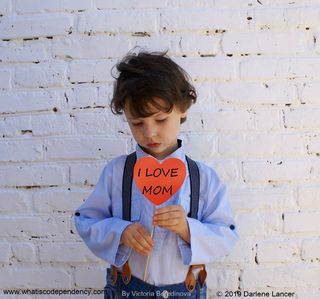
All children of narcissists suffer. Sons of narcissistic mothers suffer damage to their autonomy, self-worth, and future relationships with women.
Narcissists lack empathy and the ability to nurture their children. They don’t see them as individuals, but as extensions of themselves. Their children’s feelings and needs are neglected and criticized, while their own take precedence. Narcissists feel entitled and insist on getting their way. They exact compliance through control, manipulation, guilt, and shame. It’s “their way or the highway,” and if you don’t oblige, they punish you with attacks, coldness, or withholding. Insecurity drives their insatiable, unrealistic needs for high regard and admiration. They take offense easily, triggering contempt and rage. Because they lack boundaries, they project—they shame and blame others for their own emotional discomfort, which they can’t tolerate.
Dynamics between Sons and Narcissistic Mothers
Narcissism varies in degree and kind and with each individual’s personality and values. There are narcissistic mothers who are disinterested in their children; others who are over-involved. Some act aggressive, while others act caring or seductive. The following are some common patterns, though your experience may differ.
Neglect
Narcissistic mothers who feel burdened by motherhood neglect their children, yet shame and criticize them—sometimes for being too needy or childlike. They are needy themselves and can’t bear their child’s needs. They might demand that their young son “be a man,” or favor one child and demonstrably ignore or belittle another.
Enmeshment
Instead of neglect, other narcissistic mothers are enmeshed. They use their children for their narcissistic supply. Although a mother may appear independent, she may be emotionally needy and foster mutual dependency with her son through adoring and controlling behavior. She might depend on her son to support her emotionally, listen to her, be a companion, or attend to her physical needs and responsibilities. When he’s an adult, she might rely on him to make decisions and manage her affairs and finances.
Above all, she uses and exploits her son to supply her with attention, admiration, and to fill her wants and needs. She makes him feel loved, important, and valued, reinforcing his dependency. However, it’s only at her pleasure. Hence, her over-involvement with her son can camouflage her toxic parenting. There’s usually a high price to pay for his attempts at autonomy. Through her manipulation with anger, shame, guilt, self-pity, and/or martyrdom, he learns to put her wishes and needs first and feels obligated to do so.
Idealization and Criticism
Many narcissistic mothers idealize their young son. They build his confidence and sense of importance. As he matures and challenges her control, she disparages his emerging individuality and tries to correct and change him. To boost her ego, she may brag about her son to her friends, but is critical at home. In response, he may rebel and incur her rage or try to please her to be accepted. His fall from grace can be confusing and traumatic. It’s exacerbated if another child is born. He loses his specialness, and sibling rivalry can be extreme.
Triangulation
Marital relations for a narcissist lack intimacy. Therefore, a husband may avoid a narcissistic woman with work. To compensate, and because she’s emotionally needy, she will “triangulate” (bring in a third), be it work, a lover, an addiction, or her children. She may use her son as a confidant or companion. Children are ideal subjects because they idealize their parents and can easily be controlled.
It’s worse for a son if his father is absent, rages, is violent, or has a mental or drug problem. Then to survive, the son may seek comfort in addiction or further bond with his mother.
Seduction and “Oedipal” issues
In some cases where the mother is seductive and sexualizes her relationship with her son, it can be more damaging. Even without molestation, emotional incest may occur when mothers behave inappropriately with their sons in regard to language, appearance, and manner.1 To a young boy, she’s titillating and exciting. This over-stimulates a possible (but often unconscious) attraction toward his mother. Ideally, a son becomes closer and identifies with his father as a masculine role model. The potential for this is exacerbated where the father is absent, or if a divorced mother denigrates and alienates her ex-husband.2
Left unresolved, some sons believe (whether accurately or not) that their mother loves them more than her husband. Instead of surrendering defeat, he’s inflated and victorious over his father. This dynamic damages the son’s adult intimate relationships.3 It may also impair his self-concept as a man since he sees his father, who should be a positive role model, as failing.4 A father’s nurturing relationship with his son helps them bond and for the son resolve inner conflicts.5
Envy and Control
Just as daughters of narcissistic mothers experience their mother’s envy and competition, a narcissistic mother may be jealous of her son’s girlfriends and compete with his wife. No one will be good enough, because no one will measure up to her inflated self-image and standards. She must remain number one in his life. She may try to control and undermine his intimate relationships, criticize or disrespect his partner, or do so subtly with innuendo and manipulation. (See the movie Queen Bee.) Her son will feel hopelessly guilt-ridden and caught in the middle, trying to avoid hurting and angering his mother and partner (who may also be a narcissist or otherwise mentally unstable.) He feels guilty, is unaware of appropriate boundaries and unable to set them.
The Damage to Sons of Narcissistic Mothers
Like sons of narcissistic fathers, sons of narcissistic mothers don’t feel loved for who they are, but only for what they can do for their parent’s approval. Because appearances are all important, their children must look and act in ways that reflect positively on them. Love, if given at all, is conditional. It’s not based on understanding, appreciating, and accepting their son’s unique, true self. The son’s value depends on the extent to which he aggrandizes his parents’ ideals and ego. This may include pressuring him into a parent’s favored profession and to achieve success or the lifestyle his parents want.
Codependency
Whether or not sons have worldly success, they risk growing up insecure and codependent. Their individual identity has never been supported. Their self-worth and self-esteem have been undermined by verbal abuse and lack of love for their authentic self. They learned to accommodate their mother by suppressing their needs, feelings, and wants. This denial handicaps them in adult relationships. They have difficulty identifying and expressing their needs and feelings. They may self-sacrifice and feel undeserving without people-pleasing. Where the father was unable to stand up to his wife to protect children from her control and jabs, he fails to role model setting boundaries. As a result, a son can feel used, resentful, and exploited by women.
Intimacy issues
When a son feels unsafe to express feelings and needs to his mother, it feels unsafe in adult intimate relationships, as well. Having been manipulated and emotionally abandoned, he fears being judged and/or abandoned by his partner. Additionally, having been enmeshed with his mother, he fears being engulfed and controlled by an intimate partner. Thus, he’ll avoid intimacy, prompting his partner to demand more closeness, which escalates his apprehension and defenses.
Resentment
From feeling controlled and/or exploited, the son may harbor deep dislike toward his mother, even if he remains close. This often extends to other women. Generally, he will react to women with compliance, resistance, or anger. Some men will be aggressive and distrust women. Other men have learned to be manipulative or be passive-aggressive. They overly accommodate, lie, or passively refuse simple requests from their partner as if they were their mother’s demands. Their hostile behavior may eventually make their spouse act like their mother! Resentment and intimacy fears might drive them to be dishonest or unfaithful, especially if their father was.
Repetition
Some sons of narcissists may develop a narcissistic personality disorder. Sons of narcissistic mothers have higher rates of narcissism. This may be because she’s more likely to idealize and aggrandize him rather than compete, as she would with a daughter.
Other sons may repeat their maternal relationship with women who are demanding, controlling, or abusive. They may partner with an older woman, a narcissist,addict, or someone with a borderline personality disorder or other mental problems. They may become caretakers to their partner, just as they were to their mother, and find it hard to leave.
To heal, a son must come to terms with his mother’s disordered personality, his anger toward her, and his grief. Eventually, he needs to accept his parents with compassion, whether or not he likes or loves them. At the same time, he must recognize that he’s worthy of love, learn to set boundaries with his mother and others, and to value and express his needs and feelings.
References
Adams, K.A.(2011). Silently Seduced: When Parents Make Their Children Partners.Deerfield, Fl: Health Communications Inc.
Gill HS. Effects of oedipal triumph caused by collapse or death of the rival parent. Int J Psychoanal. 1987;68 ( Pt 2):251-60. PubMed PMID: 3583570.
Adams, K.M. (2007) When He’s Married to Mom: How to Help Mother-Enmeshed Men Open Their Hearts to True Love and Commitment. New York: Fireside.
Phalen, J.E. (2005) Consequences of the unresolved oedipal paradigm: a review of the literature. Journal of Evolutionary Psychology (Vol. 27, Issue 3-4).
Fisher, S. & Greenberg, R.P. (1986). Freud Scientifically Reappraised: Testing the Theories and Therapy. New York: John Wiley & Sons, Inc.
Relationships involving narcissistic behavior can become emotionally unstable. Manipulation, criticism, and lack of empathy often lead to:
emotional stress
self-doubt
communication breakdown
loss of personal boundaries
Recognizing these patterns early can help individuals protect their mental health.
When to Seek Professional Help
If narcissistic behavior in a relationship is affecting your mental health, professional support may help. Mental health professionals can assist with:
establishing boundaries
rebuilding self-confidence
processing emotional trauma
developing healthy relationship strategies
If you’re experiencing emotional stress related to relationships, you may want to explore support options through TheraConnect, where individuals can connect with mental health professionals.
Final Thoughts
Understanding the signs of narcissistic behavior can help individuals identify unhealthy relationship patterns and make informed decisions about their emotional well-being. While everyone may display self-centered behavior occasionally, persistent patterns of manipulation, entitlement, and lack of empathy can be serious red flags.
Recognizing these signs early can empower individuals to set boundaries and seek healthier relationships.
The covert narcissist’s hooks won’t catch everyone, but they’re likely to entrap co-dependent and empathic personality types almost 100% of the time. The covert narcissist differs in some ways to their louder counterpart – the overt narcissist, who is easier to spot with their strong sense of entitlement, arrogant nature, disregard for others and lack of empathy. These folks are loud and proud and have earned their place and title in The Diagnostic and Statistical Manual of Mental Disorders (DSM). The covert narcissist is not recognised in the DSM and often presents as the happy-go-lucky sweetie, an altruistic eunuch or the friendly quiet guy who smiles at you every day. They may appear harmless and unassuming, but they are anything but. They do all their damage behind closed doors and use emotional manipulation to gain control. An overt narcissist will stamp on any random stranger who gets in their way (i.e. road rage) but the covert narcissist saves all his or her bad behaviour for their loved one.
Covert Narcissist Say
The covert narcissist may say, ‘Oh you don’t want to listen to me go on but thank you so much for being there for me, I don’t know what I would’ve done if you had not been there, ugh I shudder to think, thank you, from the bottom of my heart, you are an angel.”. This may make the recipient feel overly responsible for the emotional wellbeing and safety of a person they don’t even know very well. It also moves the relationship from that of a casual acquaintance into something much more significant.
The covert narcissist really comes to life in the bedroom. Physical intimacy and seduction are their main speciality and they will move in on their target quickly and relentlessly in the early stages of the relationship. The emotional connection feels very real and the intensity of it makes the connection feel deeper than it actually is. They promise their new girl/boyfriend a lifetime of support, but when they are called upon to give any, they back away and complain that their partner is too demanding.
Later Stages of the New Relationship
In the later stages of the new relationship, there may be random passive aggressive insults or accusations thrown around that are not based in reality but still prompt the target to defend themselves. The attention and blame then move away from the narcissist and onto the target. This type of gaslighting throws victims of narcissistic abuse off guard and cause them to doubt themselves and start to feel they are somehow indebted to the narcissist.
When the relationship ends or when the target wakes up to see the narcissist for who they really are, they’ll experience a range of emotions and are likely to feel very confused. Their mind will be pre-occupied with working out where they went wrong, what they can do to ‘fix’ it, or what can they do to get over this person. In time they will start to experience glimmers of awareness and helpful insights, but for now this person is going to feel emotionally and psychologically drained. Their self-worth has taken another dive, they’re walking around in a daze and they’re feeling intense loneliness. To gain an understanding of what happened right under their very nose, they need to work out how they came emotionally enmeshed with a master manipulator in the first place.
Was the Narcissist Genuinely INTERESTED in who I was during our time together?
A narcissist is generally disinterested in anyone other than themselves. They have no regard whatsoever for what goes on inside another person. This makes it unlikely that they’ll attempt to find out more about their new boy/girlfriend or existing partner unless this information serves a purpose. This means they don’t care about anyone else’s opinions, values, thoughts, emotions or what their favourite movie is. You can tell them about something that has affected you deeply, but it goes right over their head and doesn’t seem to be even acknowledged. This is because not only is any of what you say of any interest to the narcissist, but they are threatened by someone else’s stuff as it takes the attention off them. The narcissist continues to minimise or ignore the everyday activities, worries or joys of their ‘loved’ one because they simply don’t care, but also, they are mindful to never reward another person’s ‘stuff’ with their attention.
Narcissist Intend
A narcissist is only interested in learning what they need to know to support the illusion they are genuinely invested in the wellbeing of another person. If their partner believes this, (or desperately wants to believe it) then the narcissist can get what they want from them. They have to pretend to be interested in the life of their romantic partner and will be, for the most part, quite convincing if their co-dependent partner is ‘asleep’. Co-dependents are great people watchers but once they start to wake up, their BS detection skills, along with their powers of observation improve dramatically. They are able to see patterns within their relationships and begin to realise that the types of people they have been attracting have all been self-serving, one-sided and in-genuine (including friendships).
The narcissist’s ‘lack of interest’ is really a nicer way of describing their underlying contempt – which sums up all they really feel for their romantic partner (as well as most other folks). Their lack of interest can be detected in a number of ways, the most notable is how they brush over anything their partner has to say. They may respond to their conversation with total silence, by changing the subject, accusing their partner of being negative, or flattering them in an overt way that has nothing to do with the actual topic of conversation. These tactics work well to stop them from sharing their every-day concerns, worries, feelings, emotions or personal goals, or whatever is uniquely to do with THEM, and not so much with the narcissist.
Two Circumstances
There are only one or two circumstances whereby the narcissist will verbally express an interest in their partner’s personal stuff. Fear of losing their partner may prompt them to act and this is when a suspiciously timed, kind and considerate comment or question will be pulled out the bag. Much to the co-dependent’s surprise, they find out that the narcissist HAD been listening to them during the initial conversation but was in fact saving any acknowledgment of it for emergencies (manipulation purposes) only. They also show interest in their partner’s ‘stuff’ as they judge and criticise it. The narcissist will never genuinely support any of their partner’s dreams, aspiration or decisions because all that is about another person and not the narcissist. If you feel like you’re not being heard – ever – then it’s because the person you’re talking to only hears what they need to hear, which is anything that relates directly to them.
The covert narcissist will appear to be totally infatuated with their new girl/boyfriend, they seem to be in love with the very essence of you, yet all the unique aspects that make a person who they are, i.e., their personal history, what they enjoy doing, their thoughts, feelings and their specific goals, will be rejected by the narcissist when he or she turns their back on any conversation that is not focussed on them or their needs. The co-dependent notices that this pattern of behaviour doesn’t quite align with how the narcissist has presented themselves, but will often dismiss it by thinking, “Maybe this is just his way of keeping me on track and focussed on what really matters”. Which is very true.
Tactics to Covert Narcissists to Manipulate
The following tactics are used by covert narcissists to manipulate their targets into believing they’re loved and supported instead of being used for gain.
Flattery and Fantasy
The covert narcissist is an expert flatterer and they love to engage in fantasy talk during the early stages of a would-be romantic connection. These tactics are also used by the overt narcissist, but not as consistently because the overt narcissist expects flattery to be directed at them, not the other way around. Flattery is a highly manipulative tool and works well on those who’ve seldom heard a kind word from previous romantic partners or their parents. To be told you are beautiful, sexy, wonderful, funny and smart, over and over again, is a powerful grooming technique when used on the right person. But the narcissist’s flattery doesn’t align with their actions or their responses to actual conversations and everyday reality. Their sweet talk and promises of a wonderful life are an oasis in the desert to the approval and acceptance starved co-dependent but like the oasis, none of it is real. The covert narcissist also appears to be very in touch with their emotional side, and this can be very appealing to the co-dependent who has only ever known overt narcissists and/or emotionally abusive parent(s).
Flattering comments
Flattering comments are intended to hit the mark and will be carefully customised around what they think the other person needs to hear. If the co-dependent steps in to help the covert narcissist in some way (as they are likely to do) they’ll be given the “You’re such a good person – truly one in a million, there’s not many people left in the world like you” line, which makes the co-dependent feel accepted, wanted and approved of, and are likely all the things they never felt as a child. Random golden nuggets of acceptance are delivered into the conversation but are often inappropriately placed and non-specific, i.e. the same complement might be said to a random stranger. Comments that refer to ‘being together’ in the future cement the deal for the co-dependent and although these suggestions are out-the-blue and inappropriate to the relationship timeline, they don’t seem to notice because they already believe they’ve met the man of their dreams.
Are they living in the Real World?
The covert narcissist’s thinking is largely fantasy-based, and conversations often revolve around plans for the future or escaping from, or idolising their past. They will draw their partner into their fantasy world where the present is seldom discussed. They don’t wish to know what’s happening in the everyday life of their girl/boyfriend and if they are being subjected to any details about it, they’ll play a mini-silent treatment or quickly change the subject to their preferred type of conversation – one that fantasises achieving the near-impossible, such as winning the lottery. They live their life idealising everything in life they want but don’t have and keep drawing their partners into the delusion.
Poor Me Syndrome
The ‘Poor Me’ tactic works well on the sleeping co-dependent because it activates their deeply embedded people-pleasing programme. They were likely watching their parent(s) from a very early age instead of climbing trees and are experts at making someone ‘feel better’ because when someone else feels OK, their life gets better by default.
If they see an injured bird, they’re there – running through fire and traffic to help. An emotionally injured narcissist lets out a distress signal that only the co-dependent hears. Their wounds are often the result of the unwanted departure of their long-suffering wife or husband. This causes a huge narcissistic injury and the co-dependent is now racing towards them with their superhero cape flapping behind them. They are now on hand to mop the brow of this individual who is clearly suffering. The narcissist is not used to being on the receiving end of suffering as they are the ones who routinely dish it out – this situation is new and totally unfair for them.
Narcissist Laps up all the Loving Concern
The narcissist laps up all the loving concern and advise and starts to demand more and more of it, and all the while, the truth of their situation is withheld or concealed. Being secretive, withholding information under the guise of it being too painful to discuss, or they are not emotionally ready to disclose it yet, buys them time and more attention. The co-dependent fills in the gaps to the story but is often way off the mark. The amount of pain the narcissist expresses makes the co-dependent think that their former partner must have passed away and he can’t yet say the words, ‘my wife has died’. Whatever is said, not said, lied about or fantasised about, their goal is to secure empathy, support and narcissistic supply.
When the co-dependent finally realises that not all is what it seems to be, they have already been seduced, hooked and weakened. If they listen to their instincts and their friends, they’ll soon join the real world and see things as they are, and the ‘cruel’ (or presumed dead) ex-wife will be seen more like a victim.
What Happens when you Terminate a Relationship with a Covert Narcissist?
Here a narcissist’s true identity will be revealed, and their target has their suspicions confirmed – they are dealing with a master manipulator who couldn’t care less about them. Guilt-tripping tactics are used with gay abandon and suddenly the narcissist’s victim is no longer the most amazing person in the world, they are the worst person in the world. They’ll say, “You were all I had in the world, now I have no-one” – even though you first met only a few weeks ago. They’ll tell you how devastated they are and will shout and scream, over and over “What did I do?”, dramatically on the street, or in front of neighbours or work colleagues.
Bullshitting
But they are not bullshitting this time, they truly are devastated – they don’t want to be alone, because they can’t be alone. They engage in some self-bashing in an attempt to get their target to feel sorry for them but will quickly revert to blaming the other person for misleading and not being open or honest (which is really a projection of their own behaviour). They will ignore the target’s personal boundaries and bombard them with more ‘poor me’ talk, accusations, blaming or whatever works to get their target back in place. They will make this already exhausted person feel responsible for ruining their life and abandoning them.
The guilt-trips are effective in preventing the target from remembering what is real and what is not and distracts them as they try to heal and recover. Meanwhile, the narcissist won’t be suffering for long, he will already be out fishing for his next victim and he’s very good at what he does.
Repelling or Avoiding the Covert Narcissist
The saying, ‘prevention is better than cure’ comes to mind here. It is far easier to deflect a highly manipulative person in the early stages of a relationship or friendship than later on down the track. The post-separation stage will feel like psychological warfare and the victim will become acutely aware of just how low the narcissist will go in their attempts to turn them – the victim, into the bad guy.
The following guidelines are taken from Dr Todd Grande’s (2019) YouTube video – Repelling a Vulnerable Narcissist/Borderline/Histrionic and Dependent Traits and details the steps we can take to gently untangle ourselves from someone who is getting way too close for comfort. Most rejections will repel a vulnerable narcissist.
Don’t do things for them that they can do themselves.
Don’t accept any in-genuine help from them.
Encouraging them to make decisions on their own will likely repel them – they want you on board to help.
Keep away from, or don’t express interest in a physical relationship – they will typically want to advance this quickly and they are very persuasive.
Maintain your boundaries, i.e. let them know what is OK for you, and what is not.
Don’t let them do you any favours – this will be used against you and give the narcissist an opportunity to say you owe them.
Put them in their place – let them know exactly where they fit into your life. If they try to gaslight you into believing the friendship is more than it is, or that they have known you for a lot longer than they really have – state the reality for them.
Be happy for them when they do anything that doesn’t involve you. Encouraging them to do things separately from you will repel them because they want you to need them as they need you.
When they try to advance the relationship, i.e. changing the mode of contact to a more intimate one, or suggesting you have lunch in a café together instead at work with other colleagues, say, “I like the way things are now”.
Recovering and Healing
Recovering and healing begins by looking inside ourselves for answers. What was it about us that attracted such a person in the first place? Why did we ignore the signs and our own intuition? Why do we need to pretend all is OK when it isn’t? Have we been seeing reality for what it is, or only what we want it to be? Have our previous partners been looking for love or looking for help?
What do we need to address within ourselves, to make the shift towards attracting emotionally healthy, authentic people into our lives?
If this post resonates with you or someone you know, please comment and share! My goal is to connect with others to bring awareness and choice to those affected by childhood emotional neglect and narcissistic abuse.
Zoe is a Kinesiologist and Natural Health and Wellbeing Practitioner, specialising in the healing from co-dependent relationships. See www.innerhealthandhealing.net to learn more about how kinesiology can help us recover and heal energetically from toxic relationships and previously held co-dependent patterns, so we can live more meaningful lives. Follow the BLOG – “A Recovery of Self” for notifications of upcoming posts on recovery and healing from childhood emotional neglect, codependency and narcissistic abuse.
Photo by Heleno-Kaizer on Unsplash
References:
American Psychiatric Association (2013): Diagnostic and Statistical Manual of Mental Disorders 2013 (5th edition). U.S: American Psychiatric Association.
Grande, T (2019) Repelling a Vulnerable Narcissist/Borderline/Histrionic and Dependent Traits, YouTube video, viewed September 2019.
Thera Connect
Sister site of Fitness Hacks for Life
Join Our Mission
We come from non-profit roots with an engaged community at Fitness Hacks for Life. Now we’ve created our sister site, Thera Connect, to expand our impact. We’re building something meaningful, and we’re asking you to join us.