
Your home can be the place you recover – or the place you unravel.
If you live with anxiety, conflict, or nonstop stress, you have probably felt that whiplash: you finally get through the day, walk through your front door, and instead of exhaling, your nervous system stays on high alert. Dishes pile up, notifications keep coming, family dynamics flare, and suddenly “rest” turns into more managing.
The good news is you do not need perfect circumstances to feel better. Emotional wellness is not a personality trait. It is a set of skills and conditions you can build, one small choice at a time, right where you are.
What emotional wellness really means (and what it does not)
Emotional wellness is the ability to notice what you feel, allow it to exist without panic or shame, and respond in ways that protect your long-term health and relationships. It is not “always calm.” It is not “never triggered.” It is not pretending you are fine.
A useful way to think about it is nervous system flexibility. When something stressful happens, you get activated (that is normal). Emotional wellness is how efficiently you can return to baseline and how kindly you treat yourself while you do.
If you have a trauma history, live with chronic stress, or are navigating a difficult relationship, this can take longer. That is not a failure. That is your body doing its best with the training it has received so far.
How to improve emotional wellness at home by changing the environment first
Willpower is unreliable when you are overwhelmed. Your environment, though, is always “coaching” you. A few simple changes can lower your baseline stress without requiring you to be more motivated.
Start with one room you spend the most time in. Ask: does this space help me downshift, or does it keep me braced?
Light matters. Bright overhead lights can keep you wired at night. If you can, swap to warmer bulbs or use a lamp in the evening. Sound matters too. If silence makes you ruminate, try gentle background sound. If noise spikes your anxiety, consider a consistent “quiet cue” like a fan or white noise.
Clutter is a trade-off topic. For some people, a visually busy space increases stress. For others, organizing becomes an avoidance behavior that never ends. The goal is not aesthetic perfection – it is reducing friction. Pick one surface (like a nightstand or kitchen counter) and clear it enough that your eyes can rest.
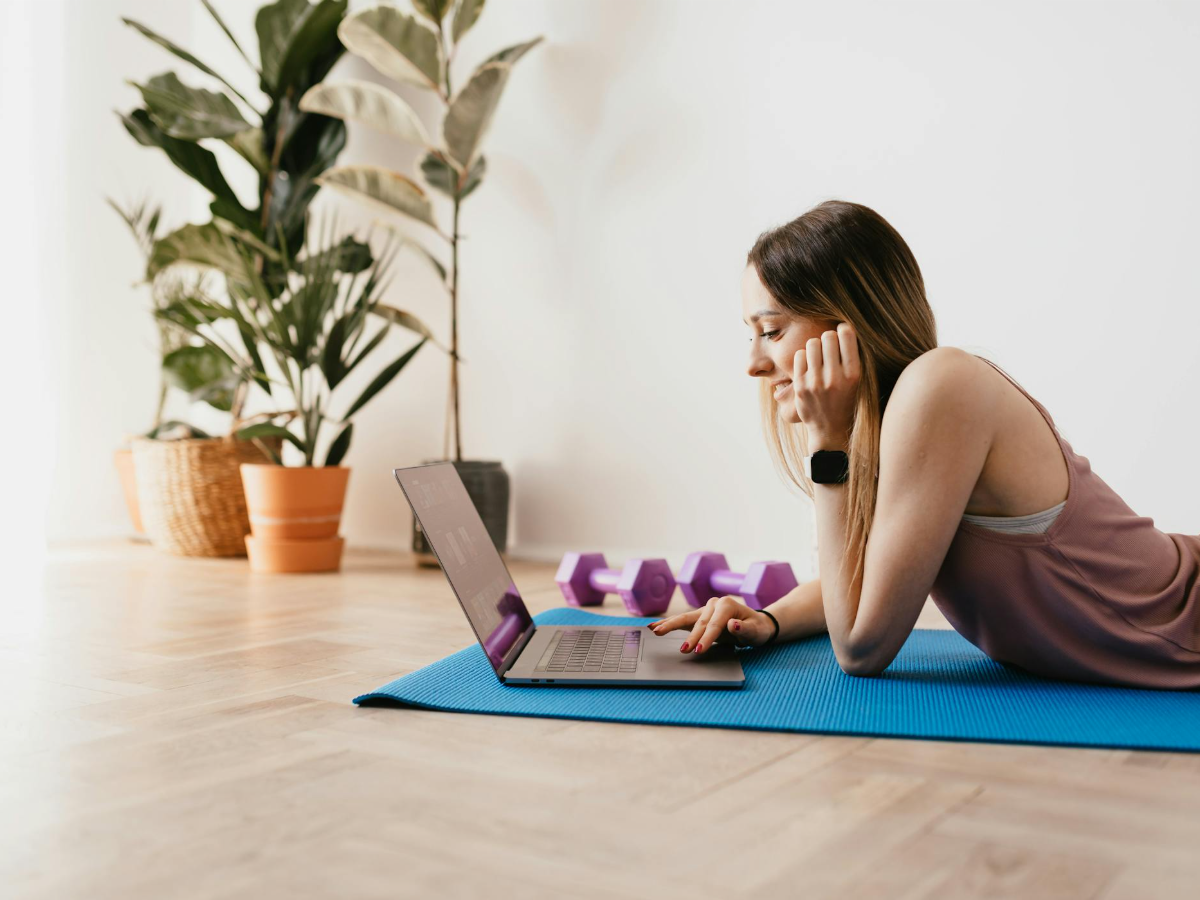
And make one small “soft landing” spot. A chair by a window, a corner with a yoga mat, a place where your brain learns: when I sit here, I come back to myself.
Regulate first, then reflect
When emotions feel too big, most people try to think their way out. But the brain that solves problems is not fully online when you are flooded. Regulation comes before insight.
A simple sequence that works for many people is: body, breath, then meaning.
Start with the body. If your shoulders are up by your ears, drop them. Unclench your jaw. Put both feet on the ground. This sends a signal of safety upstream.
Then use breath as a lever. You do not need fancy techniques. Try inhaling through the nose for a count of four and exhaling for a count of six. Longer exhales tend to nudge the nervous system toward calm. Do that for one to three minutes.
Only after that ask, “What is this emotion trying to protect?” Anger often protects boundaries. Anxiety often protects control. Sadness often protects what you value.
If this feels hard, that makes sense. Many of us were never taught to do this. You are learning now.
The 10-minute daily reset that builds emotional strength
If you are looking for a routine that is realistic on your worst day, make it 10 minutes and make it repeatable.
First, move for two minutes. Not a workout – a state change. Walk around the house, do air squats, stretch your hips, shake out your arms. Movement metabolizes stress chemistry. It is one reason fitness and emotional health are so tightly connected.
Next, do three minutes of slow breathing or a brief body scan. You are training your attention to stay with you instead of bolting into worst-case scenarios.
Then take five minutes to “name and aim.” Write one sentence for each:
What am I feeling right now?
What do I need today?
What is one small action that supports that need?
This is emotional wellness in real time: feelings, needs, and behavior aligned. Some days your action is “text a friend.” Some days it is “take a shower.” Some days it is “cancel the extra commitment.”
Build better boundaries inside the house
Home is where boundaries get tested the most, especially if you are living with a partner, family, roommates, or navigating a relationship with narcissistic patterns. Emotional wellness is not only inner work. It is also the structures that prevent constant emotional injury.
Start with time boundaries. Decide when your day is “open” and when it is “closed.” Even if you work odd hours, you can set a 20-minute buffer where you do not talk about logistics, conflict, or heavy topics. Your nervous system needs predictable breaks.
Then communication boundaries. A simple phrase can save you in heated moments: “I want to keep talking, and I need a reset. I will come back in 20 minutes.” That is not avoidance if you actually return. That is regulation plus respect.
If you live with someone who escalates, you may need firmer limits. It is okay to say, “I will talk when voices are calm,” and remove yourself. Safety is the foundation.
Feed your brain like it is part of your body (because it is)
Emotional wellness is strongly affected by basic physiology: sleep, nutrition, hydration, and movement. This is not about being a perfect healthy person. It is about giving your brain a fair chance.
Sleep is the biggest multiplier. If you can only improve one thing at home, protect your sleep window. Dim lights 60 minutes before bed, keep the room cool, and try to wake up around the same time most days. If anxiety spikes at night, put a notebook by the bed and do a two-minute “brain dump” so your mind does not have to hold everything.
Food matters too, mostly through stability. Big blood sugar swings can mimic anxiety symptoms. Aim for protein and fiber at breakfast or lunch so you are not running on fumes by 3 p.m. Hydration sounds basic, but mild dehydration can increase irritability and fatigue.
And movement is not punishment. Think of it as a daily dose of emotional processing. Even a 10-minute walk changes your internal chemistry.
Make room for emotions without making them the boss
A lot of people get stuck between two extremes: suppressing emotions or being controlled by them. Emotional wellness is the middle path.
Try this when you feel a wave coming on: “This is anxiety. It is uncomfortable, and it is not dangerous.” Or “This is grief. It makes sense that it is here.” Naming reduces the threat signal.
If you tend to overthink, give your emotions a container. Set a timer for 15 minutes and let yourself feel, write, cry, vent, pray, whatever fits your values. When the timer ends, shift into one grounding action: make tea, step outside, stretch, or tidy one small area. You are teaching your brain that emotions can move through you and you can still function.
Create a home culture of connection (even if you live alone)
Connection is a core emotional need, not a bonus. At home, it is easy to accidentally build a culture of isolation: scrolling instead of talking, staying busy instead of being close.
If you live with others, aim for short, consistent moments rather than rare “big talks.” A five-minute check-in at dinner can do more for emotional wellness than an occasional deep conversation when everyone is exhausted. Ask one real question: “What was the hardest part of today?” or “What do you need from me this week?”
If you live alone, you still need relational nutrients. Schedule one recurring touchpoint: a weekly call, a workout class, a standing walk with a neighbor. Your home can be your base, but it should not be your whole world.
When self-help is not enough (and what to do next)
Some seasons require more support than routines can provide. If you are dealing with panic attacks, trauma flashbacks, emotional abuse, or depression that makes daily life feel unmanageable, it is not a willpower problem. It is a support problem.
Reaching out can be hard, especially if you have been dismissed before. But you deserve care that matches the weight you are carrying. If you want free, evidence-based education that blends psychology with sustainable fitness habits, you can explore resources at Fitness Hacks for Life.
If you ever feel at risk of harming yourself or someone else, seek immediate emergency help.
A few trade-offs to expect (so you do not quit too early)
If you start practicing emotional wellness at home, you might notice feelings more intensely at first. That can happen when you stop numbing and start listening. It does not mean you are getting worse. It often means you are finally present.
You may also run into resistance from others if your new boundaries change the household rhythm. That is common. Keep your focus on what you can control: your tone, your choices, your follow-through.
And some strategies will work better than others depending on your personality. If journaling makes you spiral, make it shorter or switch to voice notes. If meditation feels activating, choose movement-based regulation instead.
Your job is not to copy someone else’s perfect routine. Your job is to build a home life that helps your nervous system recover.
Closing thought: you do not have to wait until your home is quiet, your relationships are easy, or your stress is gone. Start with one small stabilizing practice today, and let that be proof that you are someone who shows up for yourself.
Leave a Reply