
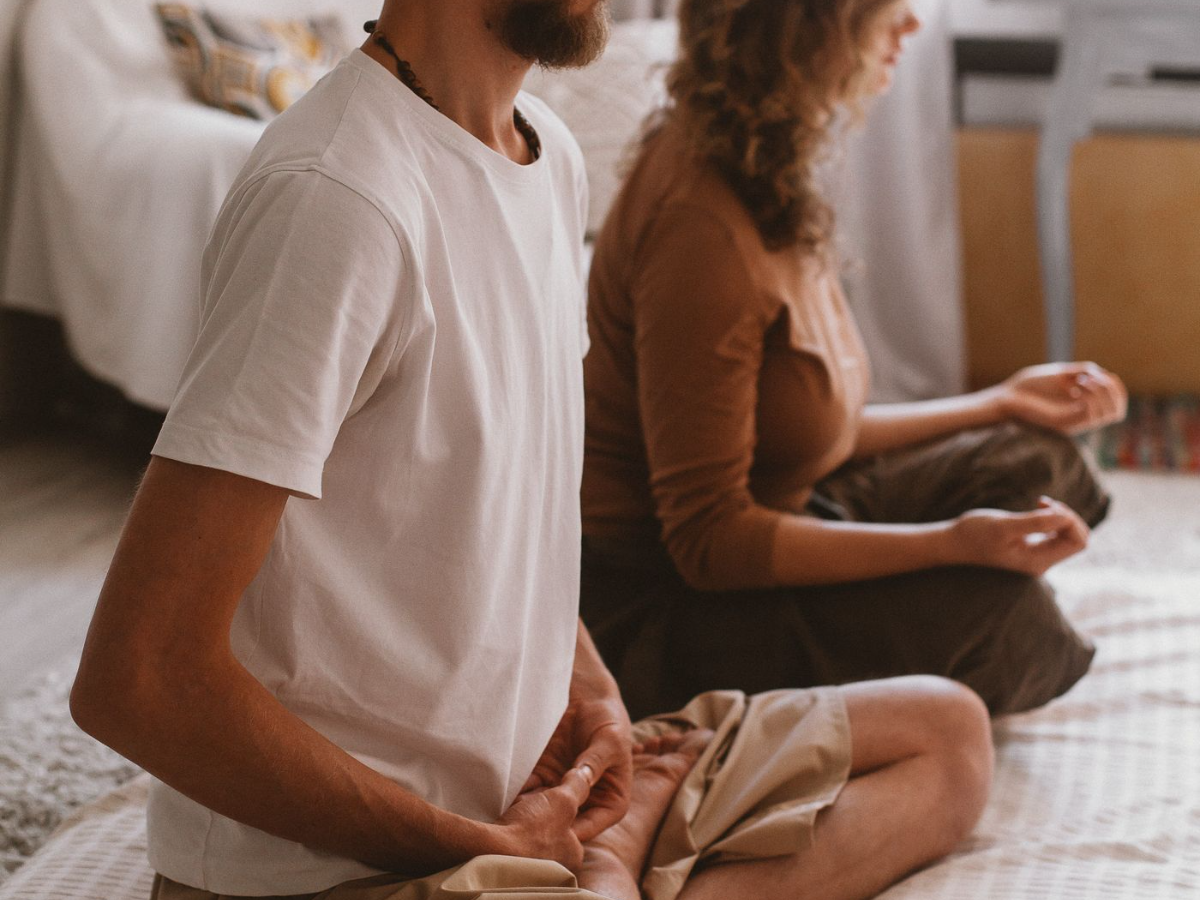
Creating a Meditation Space: How to Build a Calm Corner for Peace and Mindfulness
Life can be busy, noisy, and overwhelming. Between work, family responsibilities, and endless notifications, finding a moment of peace isn’t always easy. That’s why creating a dedicated meditation space can make a meaningful difference.
The good news is that you don’t need a large room or expensive furniture. A quiet corner with a few thoughtful touches can become a place where you slow down, breathe deeply, and reconnect with yourself.
Why Create a Meditation Space?
When you return to the same peaceful space each day, your mind begins to associate that environment with relaxation and mindfulness. Over time, simply sitting in that space can help you settle into meditation more easily.
A dedicated meditation area may help you:
- Reduce stress
- Practice mindfulness consistently
- Improve focus
- Support emotional well-being
- Create healthy daily habits
- Encourage moments of calm during difficult days
Remember, meditation isn’t about creating a perfect environment. It’s about creating a space that feels peaceful and welcoming to you.
Choose a Quiet Location
Look for a place where interruptions are less likely.
This might be:
- A corner of your bedroom
- A small area in the living room
- A reading nook
- A spot near a window
- A covered porch or patio
- A quiet office corner
Even a small area can become a meaningful retreat.
Keep It Simple
You don’t need expensive decorations.
Many people enjoy including:
- A comfortable cushion or chair
- A soft blanket
- A yoga mat
- A small side table
- A calming piece of artwork
- A plant
- A journal
- A favorite inspirational quote
Choose items that help you feel relaxed rather than distracted.
Let Nature Inspire You
Natural elements can make a meditation space feel more calming.
Consider adding:
- Houseplants
- Stones or crystals (if meaningful to you)
- Driftwood
- Seashells
- Fresh flowers
- A small indoor fountain
- Natural wood accents
These simple touches can help create a peaceful atmosphere.
Use Soft Lighting
Lighting influences how a space feels.
You might prefer:
- Natural sunlight
- Warm lamps
- Flameless candles
- Soft string lights
- Salt lamps
Avoid harsh overhead lighting whenever possible.
Minimize Distractions
A peaceful environment supports a peaceful mind.
Try to remove:
- Clutter
- Loud electronics
- Work materials
- Notifications from your phone
Consider putting your phone on silent during your meditation practice.
Make It Comfortable
Comfort helps you stay present.
You don’t have to sit cross-legged.
Many people meditate:
- In a chair
- On a cushion
- On a yoga mat
- On a bench
- While lying down (if staying awake isn’t difficult)
Choose a position that allows you to breathe comfortably.
Personalize Your Space
Your meditation area should reflect what brings you peace.
You might include:
- Family photos
- Nature photography
- Inspirational books
- Journals
- Meaningful artwork
- A gratitude notebook
Keep decorations intentional rather than overwhelming.
Create a Daily Ritual
Consistency is more important than length.
A simple routine could look like this:
- Silence your phone.
- Take three slow breaths.
- Sit comfortably.
- Meditate for five to ten minutes.
- Write one sentence in your journal.
- Continue with your day.
Even a few quiet minutes can become an important part of your wellness routine.
Remember There Is No Perfect Meditation Space
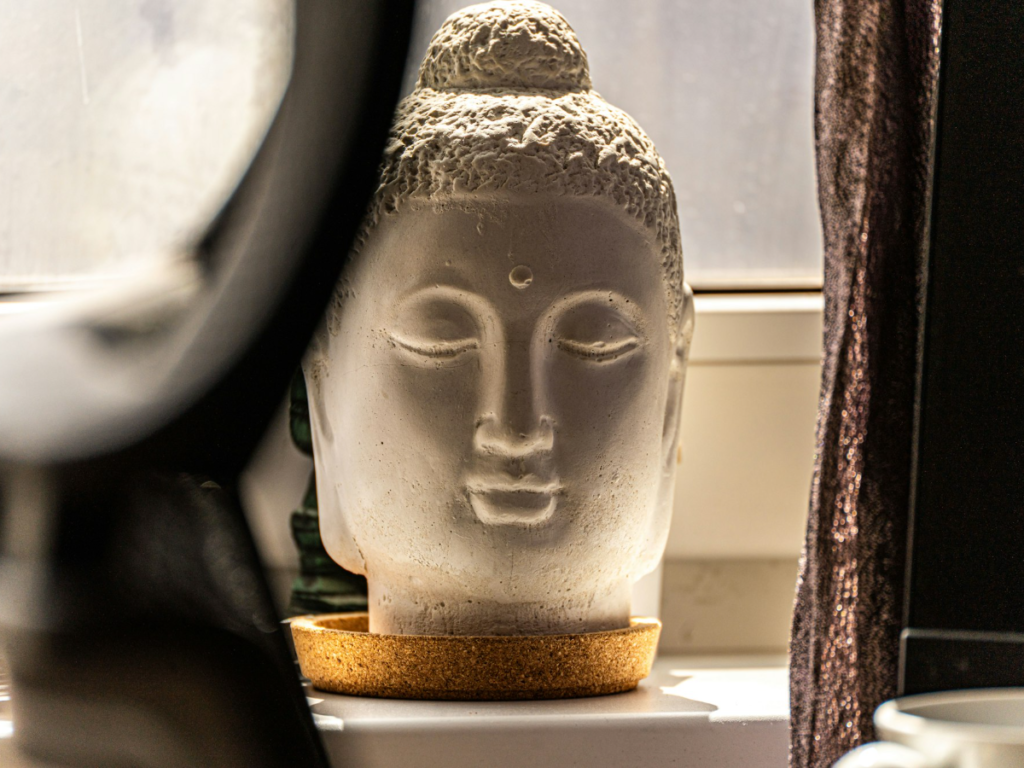
Some days your meditation might happen in a peaceful corner of your home.
Other days it might happen:
- In your car before work
- On a park bench
- During a walk
- While sitting quietly in your backyard
Meditation is less about the location and more about the intention to pause, breathe, and be present.
Final Thoughts
Creating a meditation space is a simple way to support your mental and emotional well-being. Whether your space is a dedicated room or a small corner with a comfortable chair, what matters most is that it encourages you to return to moments of calm and mindfulness.
Start small, make it your own, and allow your space to grow with your practice.
Related Articles
- Meditation: A Complete Guide to Finding Calm and Reducing Stress
- Beginner’s Guide to Meditation
- Morning Meditation Routine
- 5-Minute Meditation for Busy Days
- Mindfulness vs. Meditation: What’s the Difference?
- Self-Care: A Complete Guide to Caring for Your Mind and Body
Learn More
Explore more articles, printable journals, and free mental wellness resources at FitnessHacksForLife.org.
If you’re looking for professional support, TheraConnect.net can help you connect with licensed therapists and qualified coaches.
Leave a Reply