
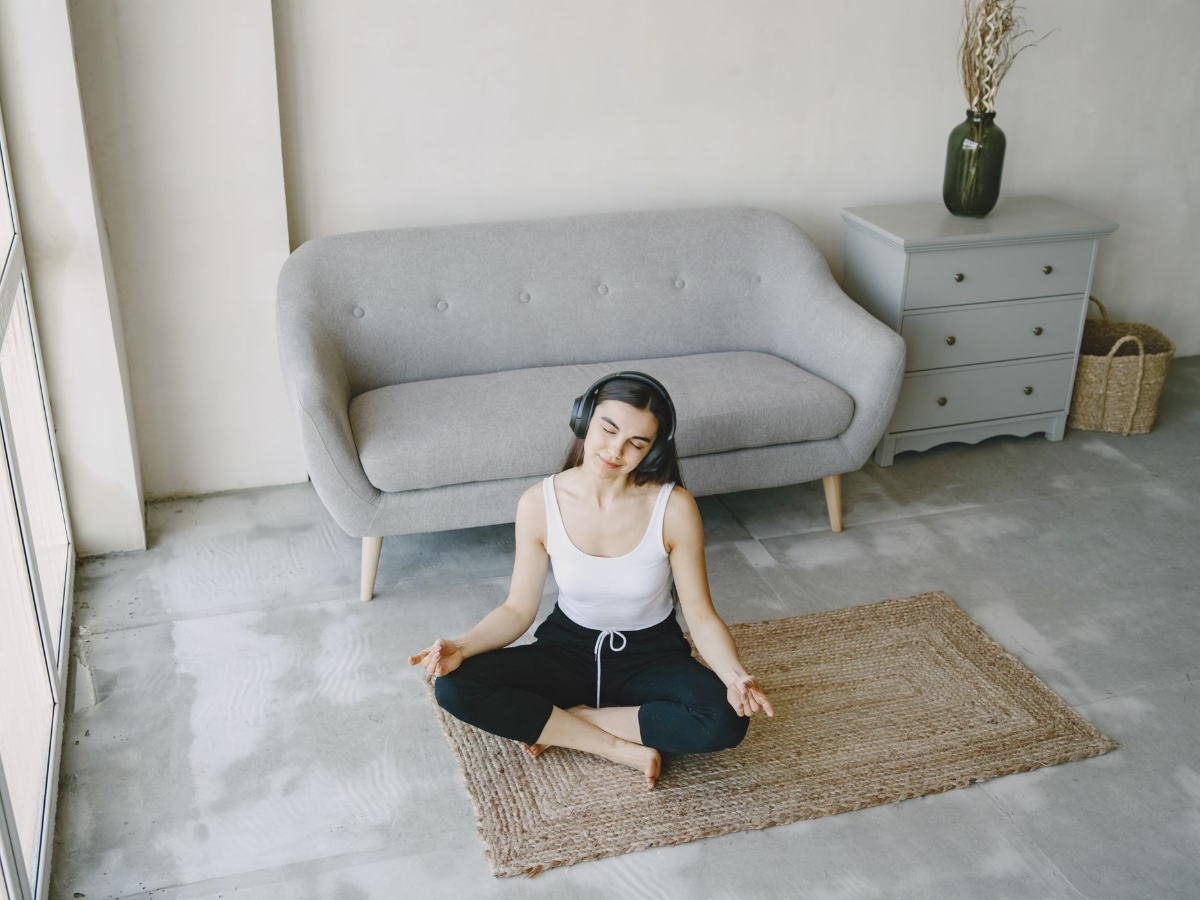
Meditation: A Complete Guide to Finding Calm and Reducing Stress
Modern life can be busy, demanding, and overwhelming. Between work, family responsibilities, social media, and daily stressors, it’s easy to feel mentally exhausted. Meditation offers an opportunity to pause, breathe, and reconnect with yourself.
You don’t need special equipment, years of experience, or hours of free time. Even a few quiet minutes each day can help create moments of calm, improve focus, and encourage emotional well-being.
This guide explores what meditation is, how it works, different types of meditation, and practical tips for building a consistent practice.
What Is Meditation?
Meditation is the practice of intentionally focusing your attention. While many people associate meditation with sitting quietly, it can take many forms.
Some people focus on:
- Their breathing
- A calming word or phrase
- Bodily sensations
- Gratitude
- Loving-kindness
- Guided visualizations
- Gentle movement
- Present-moment awareness
Meditation isn’t about stopping your thoughts completely. Instead, it’s about learning to observe thoughts without becoming overwhelmed by them.
Benefits of Meditation
Research suggests that regular meditation may provide a variety of mental and physical benefits.
Many people report:
- Feeling calmer during stressful situations
- Improved concentration
- Better emotional awareness
- Greater patience
- Improved sleep quality
- Increased self-compassion
- A greater sense of balance
Meditation is not a cure for medical or mental health conditions, but it can be a helpful wellness practice alongside other healthy habits and professional care when appropriate.
Different Types of Meditation
There isn’t one “right” way to meditate. Exploring different styles can help you discover what works best for you.
Mindfulness Meditation
Mindfulness involves paying attention to the present moment without judgment.
You simply notice:
- Your breathing
- Physical sensations
- Thoughts
- Sounds
- Emotions
When your mind wanders—which is completely normal—you gently return your attention to the present.
Guided Meditation
Guided meditation is led by an instructor through audio or video. It often includes breathing exercises, visualization, or relaxation techniques, making it a popular option for beginners.
Loving-Kindness Meditation
Also known as Metta meditation, this practice encourages compassion toward yourself and others.
Many people silently repeat phrases such as:
- May I be safe.
- May I be healthy.
- May I be peaceful.
- May others be happy.
Body Scan Meditation
A body scan invites you to slowly bring awareness to different parts of your body, noticing areas of tension and relaxation.
This technique can help you reconnect with your body and recognize physical signs of stress.
Walking Meditation
Meditation doesn’t have to happen while sitting still.
Walking meditation combines gentle movement with mindful awareness by focusing on each step, your breathing, and the environment around you.
How Meditation Helps Reduce Stress
Stress often causes the mind to race with worries about the past or future. Meditation encourages you to gently return your attention to the present moment.
With regular practice, many people notice they become more aware of their thoughts and reactions, making it easier to respond thoughtfully rather than react automatically.
Meditation for Anxiety
When anxious thoughts become overwhelming, meditation can encourage slowing down and focusing on the present.
Simple breathing exercises and mindfulness practices may help reduce feelings of tension and improve emotional regulation.
If anxiety is significantly affecting your daily life, consider speaking with a qualified healthcare professional or licensed mental health provider.
Meditation and Better Sleep
Many people find it difficult to quiet their minds before bed.
Evening meditation may help create a calming bedtime routine by encouraging relaxation before sleep.
Try:
- Slow breathing
- Progressive muscle relaxation
- Guided sleep meditation
- Gratitude reflection
Creating a Daily Meditation Habit
Consistency matters more than duration.
Begin with just five minutes.
Helpful tips include:
- Meditate at the same time each day.
- Choose a quiet space.
- Silence your phone.
- Sit comfortably.
- Focus on your breathing.
- Be patient with yourself.
Remember that every meditation session is different.
Common Meditation Challenges
“I can’t stop thinking.”
Everyone experiences thoughts during meditation.
The goal isn’t to stop thinking.
The goal is noticing when your attention wanders and gently bringing it back.
“I don’t have enough time.”
Even five minutes can make a meaningful difference.
Small daily habits often become lasting routines.
“I’m doing it wrong.”
There is no perfect meditation.
Every practice looks different.
Showing up consistently is far more important than trying to achieve perfection.
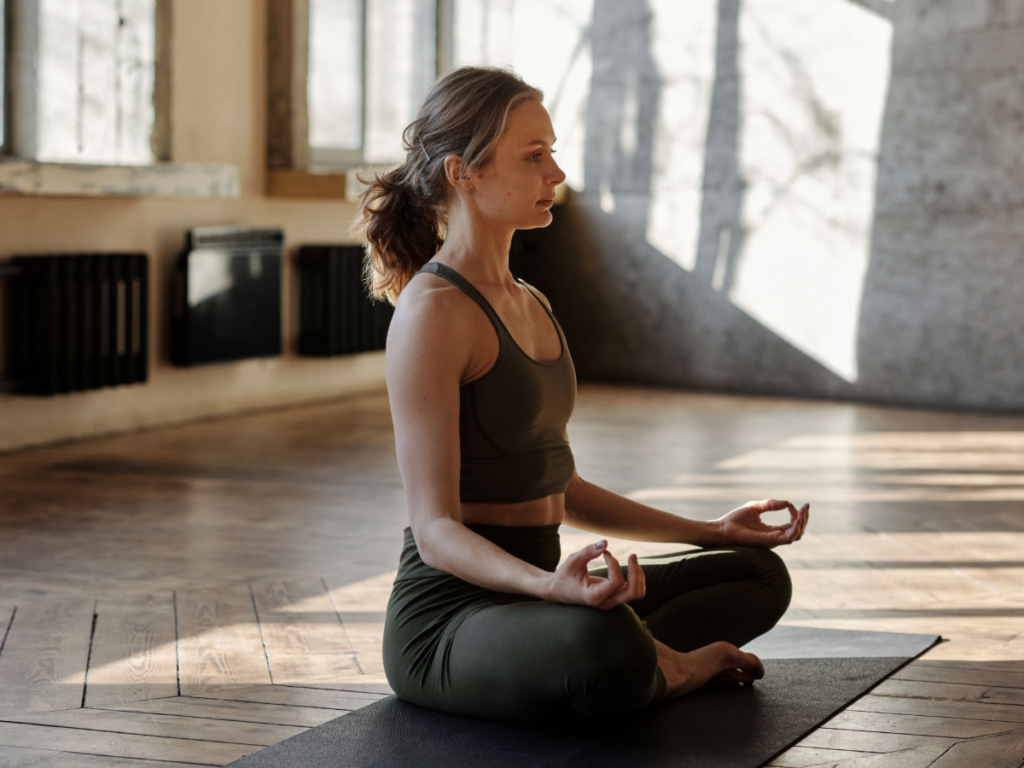
Creating a Peaceful Meditation Space
You don’t need an entire room.
A small corner with a chair, cushion, soft lighting, or a favorite blanket can become your personal place for mindfulness.
Choose an area that feels comfortable, quiet, and welcoming.
Combining Meditation with Other Wellness Practices
Meditation works well alongside many healthy habits, including:
- Journaling
- Gentle yoga
- Walking
- Deep breathing
- Spending time in nature
- Practicing gratitude
- Self-care routines
Building a balanced wellness routine often includes a variety of activities that support both your mind and body.
Frequently Asked Questions
How long should I meditate?
Beginners often start with five to ten minutes. As you become more comfortable, you may choose to meditate for longer.
Do I have to sit cross-legged?
No. You can meditate in a chair, on a cushion, or even while walking.
Is meditation religious?
Meditation is practiced in many traditions, but it can also be entirely secular. Many people use meditation simply as a mindfulness or relaxation practice.
Can children meditate?
Yes. Short, age-appropriate mindfulness exercises can help children learn emotional awareness and focus.
What if I miss a day?
That’s okay. Meditation is a lifelong practice, and it’s normal to miss a day. Simply begin again when you’re ready.
Final Thoughts
Meditation isn’t about perfection or emptying your mind. It’s about creating intentional moments to slow down, breathe, and reconnect with yourself.
Whether you practice for five minutes or thirty, at home or outdoors, consistency and self-compassion are what matter most. Over time, meditation can become a valuable part of a balanced approach to mental and emotional well-being.
Take one breath, one moment, and one day at a time.
Editorial Standards: At Fitness Hacks For Life, our educational content is researched using reputable sources, including government health agencies, universities, and peer-reviewed research when available. Our articles are reviewed regularly to help ensure accuracy and relevance. Educational content is not a substitute for personalized medical or mental health advice.
Leave a Reply