
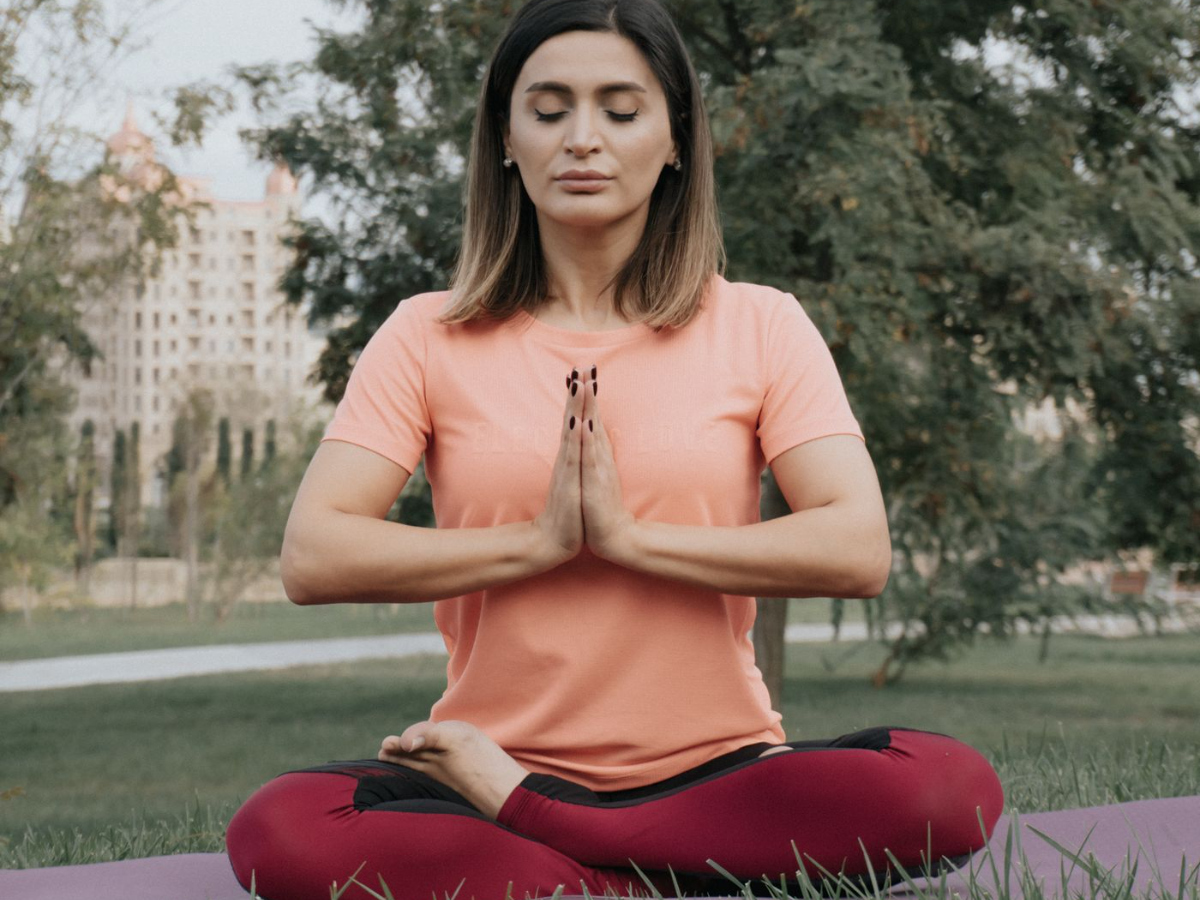
You don’t need an hour, a cushion, or a quiet retreat to meditate. Sometimes the most powerful reset is the shortest one — a full two minutes, done anywhere, that gives your mind and body a chance to catch up with each other.
Why Even 2 Minutes Matters
Meditation doesn’t need to be long to be effective. Short, intentional pauses can lower cortisol, slow your heart rate, and shift your nervous system out of “go” mode. For a lot of people, the barrier to meditating isn’t the practice itself — it’s the belief that it has to take 20 minutes to count. It doesn’t. A two-minute breathing reset is enough to interrupt a stress spiral, refocus a scattered mind, or create a small buffer between two demanding parts of your day.
This is where mind and body actually meet: your breath is one of the few bodily functions you can consciously control, and controlling it is one of the fastest ways to influence your mental state.
Try This: A 2-Minute Guided Meditation
Find a comfortable seat or lie down. Let your eyes close, or soften your gaze toward the floor.
Arrive (0:00–0:20)
Take a slow breath in through your nose, then let it go. Notice the weight of your body — wherever you’re sitting or lying, let it be fully supported.
Breathe (0:20–0:50)
Inhale for a count of four, hold for two, exhale for six. Repeat. Let each exhale run a little longer than the inhale — this signals your nervous system that it’s safe to slow down.
Notice (0:50–1:20)
Bring attention to your shoulders. Drop them if they’re raised. Unclench your jaw. Soften your hands. For these few breaths, you don’t have to hold onto anything.
Return (1:20–1:50)
When your mind wanders, that’s not failure — it’s just what minds do. Gently guide your focus back to your breath, without judgment.
Close (1:50–2:00)
Take one more full breath in and out. When you’re ready, open your eyes and carry the steadiness with you.
When to Use It
- Before a stressful meeting or hard conversation
- Between tasks, as a reset instead of scrolling
- First thing in the morning, before reaching for your phone
- Anytime anxiety spikes and you need to come back to your body
The Bigger Picture
A two-minute practice won’t replace deeper mental health work, but it builds something valuable: proof that you can shift your state in under 120 seconds. Over time, these small resets add up — training your nervous system to return to calm more easily, even outside of meditation.
FAQ
Is a 2-minute meditation actually effective?
Yes. Short breathing-focused meditations can measurably lower stress markers and calm the nervous system, even at just a minute or two. Consistency matters more than duration.
What’s the best breathing pattern for a short meditation?
A 4-2-6 pattern (inhale 4, hold 2, exhale 6) works well because a longer exhale activates the parasympathetic (“rest and digest”) nervous system.
Can I do this meditation anywhere?
Yes — at a desk, in a car (parked), before bed, or in a bathroom stall during a hard day. No equipment or app required.
How is this different from deep breathing exercises?
It’s closely related — this practice combines breathwork with brief body awareness and a gentle mental return, which is what makes it a meditation rather than just breathing.
Sources:
Leave a Reply