
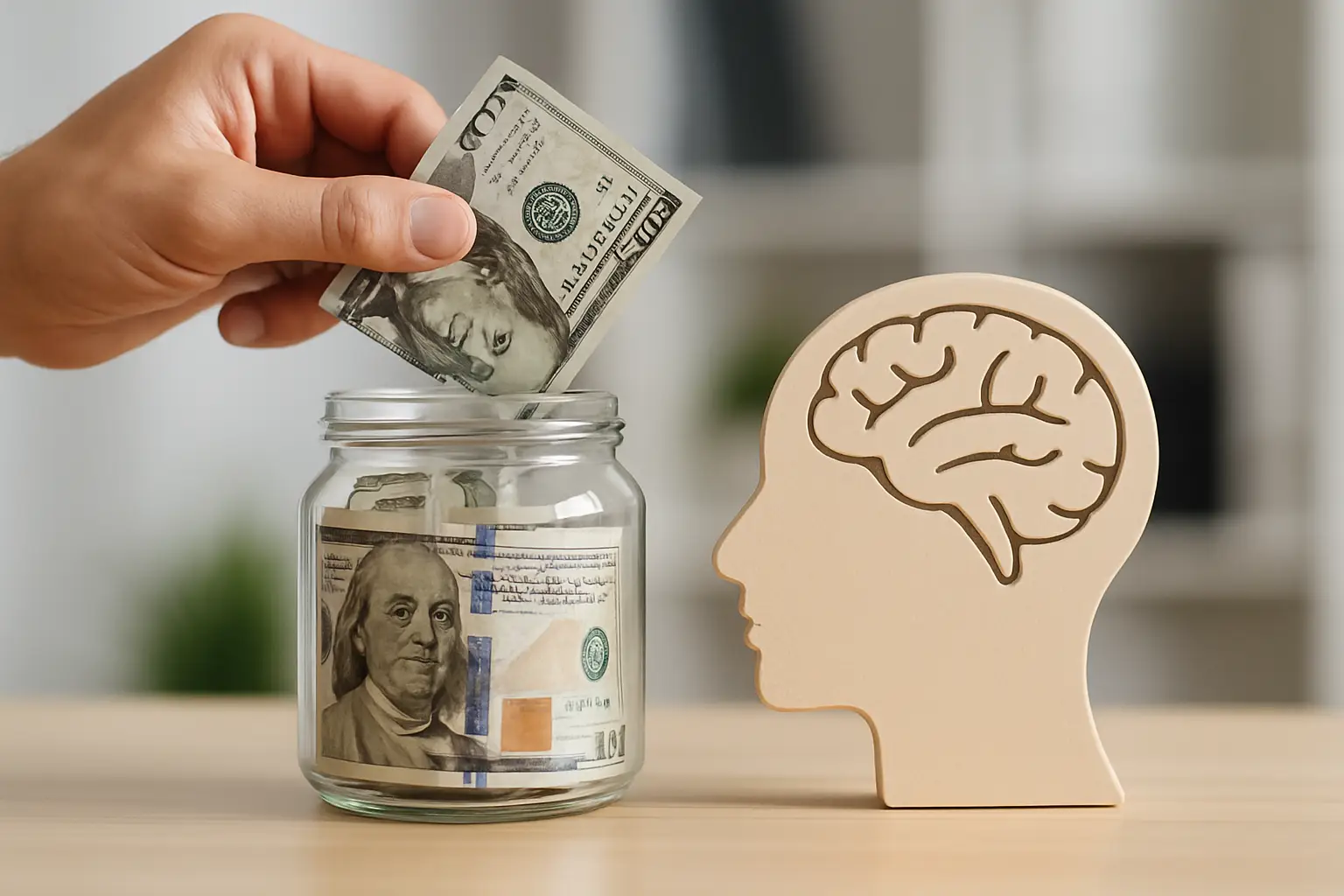
You make a donation because you want someone to breathe easier. Not in a vague, feel-good way – in the very real way that happens when a person finally understands what’s going on inside their body, their relationship, or their mind. That’s the promise behind donations to mental health nonprofits: turning generosity into practical relief.
But if you’ve ever hesitated before clicking “donate,” you’re not alone. Mental health can feel hard to measure. Outcomes aren’t as visible as meals served or beds built. And the internet is loud with advice, some of it helpful, some of it harmful, and some of it packaged to sell fear.
So let’s make this simple and human: here’s how mental health nonprofits typically use donations, what “effective” support really looks like, and how to choose a place to give that matches the kind of change you want to create.
What mental health nonprofit donations actually fund
A well-run mental health nonprofit is often doing two jobs at once. The first is direct support: helping people who are struggling right now. The second is prevention: teaching skills and building understanding so fewer people reach a breaking point in the first place.
Your donation might fund content and tools that make anxiety less mysterious. It might keep a support line staffed. It might help train facilitators, subsidize therapy sessions, or create screening and referral pathways that reduce the time someone spends stuck in limbo.
And yes, some of the funds “unseen” work that still matters. Tech costs, compliance, and staff training are not vanity expenses. In mental health, quality and safety depend on them.
Free education that stops the spiral early
A large number of people never reach professional care. Sometimes it costs. Sometimes it’s access. Sometimes it’s shame. Sometimes it’s the belief that their problems are “not bad enough.”
That’s why education is not a side project – it’s a mental health intervention. Donations often support:
- Evidence-based articles and lessons that explain symptoms in plain language
- Self-help exercises that help people practice new coping skills immediately
- Workbooks and structured guides that turn insight into repetition (where change actually happens)
When someone learns, for example, that panic symptoms are a normal adrenal response rather than a personal failure, the fear loop loses fuel. That shift can mean fewer ER visits, fewer missed workdays, and fewer nights spent convinced something is “wrong” with them.
Programs that create real-world support
Education helps, but education alone doesn’t meet every need. Many nonprofits build programs that provide community and accountability – two ingredients that make behavior change stick.
This can include peer support groups, psychoeducation classes, workshops for coping with trauma triggers, and skill-building series for relationship boundaries or emotional regulation. It can also include resources tailored to life transitions like postpartum changes, grief, divorce, or job loss.
Here’s the trade-off: groups and programs require coordination, scheduling, facilitation, and follow-up. They cost more than a single blog post. They also tend to create deeper change for people who need structure and connection.
Access pathways to professional care
Even with great self-help tools, some people need clinical support. Donations may help a nonprofit keep a referral network current, subsidize sessions, or partner with clinicians for low-cost care.
This is where mission clarity matters. Some organizations focus on education and prevention. Others focus on direct clinical services. Many do a blend. A strong nonprofit is upfront about what it does and does not provide – because false promises are harmful.
Why “overhead” isn’t the enemy in mental health
You’ll often hear people say they only want to give to a nonprofit with “low overhead.” The intention is good. The reality is more complicated.
Mental health work requires trained professionals, careful boundaries, privacy protection, and content that doesn’t accidentally intensify symptoms. If an organization has zero spending on staff development, clinical review, or secure systems, that’s not automatically “efficient.” It can be risky.
A healthier question than “How low is overhead?” is “Does their spending make the work safer and more effective?” In mental health, effectiveness often depends on consistency: resources stay up to date, programs run on schedule, and people can actually reach someone when they need to.
How to pick a nonprofit you can trust
If you’ve ever felt pressure to donate quickly, pause. Giving is powerful, and you’re allowed to be selective. The right nonprofit for you is the one whose approach aligns with your values and whose work addresses the needs you care about.
Look for evidence-based claims, not miracle language
Mental health is full of tempting promises: “fix your anxiety in 7 days” or “heal trauma instantly.” Trust organizations that respect reality.
Evidence-based doesn’t mean cold or clinical. It means they point to established methods (like CBT skills, mindfulness-based strategies, nervous system education, or trauma-informed approaches), and they avoid absolutes. You want an organization that can say, “This helps many people, and it depends on your situation.” That’s honesty, not weakness.
Notice whether they teach skills or sell dependence
A healthy nonprofit aims for empowerment. The tone should leave you feeling capable, not broken.
Strong mental health education gives people tools they can practice: how to name emotions, how to set boundaries, how to spot cognitive distortions, how to use grounding techniques, and how to plan for hard conversations. It does not insist that the organization is the only source of truth.
Check transparency without demanding perfection
It’s reasonable to look for clear information about programs, leadership, and how donations are used. It’s also reasonable to accept that not every nonprofit has a glossy annual report.
What you want is alignment. Do their activities match their mission? Do they talk concretely about what they deliver? Do they show respect for the people they serve?
The different ways your gift can help – and how to choose
Not all giving has to look the same. The most meaningful donation is often the one you can sustain without stress.
A one-time gift is like a spotter at the gym: timely help when it counts. It can fund a new workbook, a resource series, or a short-term program.
A monthly donation is more like progressive overload: steady, predictable support that helps a nonprofit plan. In mental health education, consistency matters. When funding is stable, teams can keep resources free, respond to emerging needs, and maintain quality.
And if money is tight, you still have options that matter. Sharing a resource with someone who’s struggling, forwarding a newsletter, or starting a conversation that reduces shame is also part of the ecosystem. Donations keep the lights on, but the community keeps people connected.
Mental health giving is personal – because pain is personal
Some donors are motivated by a single moment: a panic attack in a parking lot, a relationship that chipped away at their self-worth, a friend who disappeared into depression, a family member who couldn’t find care. Others give because they’re doing better now and want to turn that strength into a hand back.
There isn’t a “right” reason. There’s just the decision to not look away.
If your heart is in anxiety support, you might prioritize education on body-based calm, awareness of thought patterns, and daily habits that reduce baseline stress.
If your heart is in relationship recovery, you might look for work that helps people identify narcissistic dynamics, rebuild boundaries, and reclaim self-trust.
If your heart is in access to care, you might focus on programs that shorten the gap between “I need help” and “I’m getting help.”
The best part is that these paths aren’t competing. They reinforce each other. Education reduces shame, which increases help-seeking, which improves outcomes.
A quick reality check: what donations can’t do
Mental health nonprofit donations can do a lot, but they can’t replace every missing piece in the system. They can’t singlehandedly fix insurance networks, workforce shortages, or the fact that many people are working two jobs while carrying invisible stress.
That’s not a reason to stop giving. It’s a reason to give with clear expectations.
Your donation is not a magic wand. It’s a lever. It helps someone take the next step: understanding what they’re feeling, trying a tool, joining a group, reaching out for therapy, or simply realizing they’re not alone.
What it looks like when donations meet the real world
Sometimes the impact is dramatic. A person who was afraid to sleep because of nighttime panic learns a grounding routine and finally rests.
Sometimes it’s quieter. Someone reads an article about boundaries and recognizes, for the first time, that “being nice” isn’t the same as being safe. They start practicing one sentence: “I’m not available for that.”
Sometimes it’s physical. A stressed-out nervous system calms when a person pairs movement with breath and learns to interpret body signals without fear.
That’s the intersection of psychology and fitness at its best: practical skills that bring you back to yourself. If you’re looking for free, evidence-based tools built for real life – anxiety, overwhelming stress, difficult relationships, and the habits that support steadier mental health – you can explore what our community supports at Fitness Hacks for Life.
The simple truth is: giving is not just charity. It’s participation. When you support mental health education and access, you’re telling someone you’ve never met, “Your life is worth understanding, and your next step is worth funding.”
Leave a Reply