
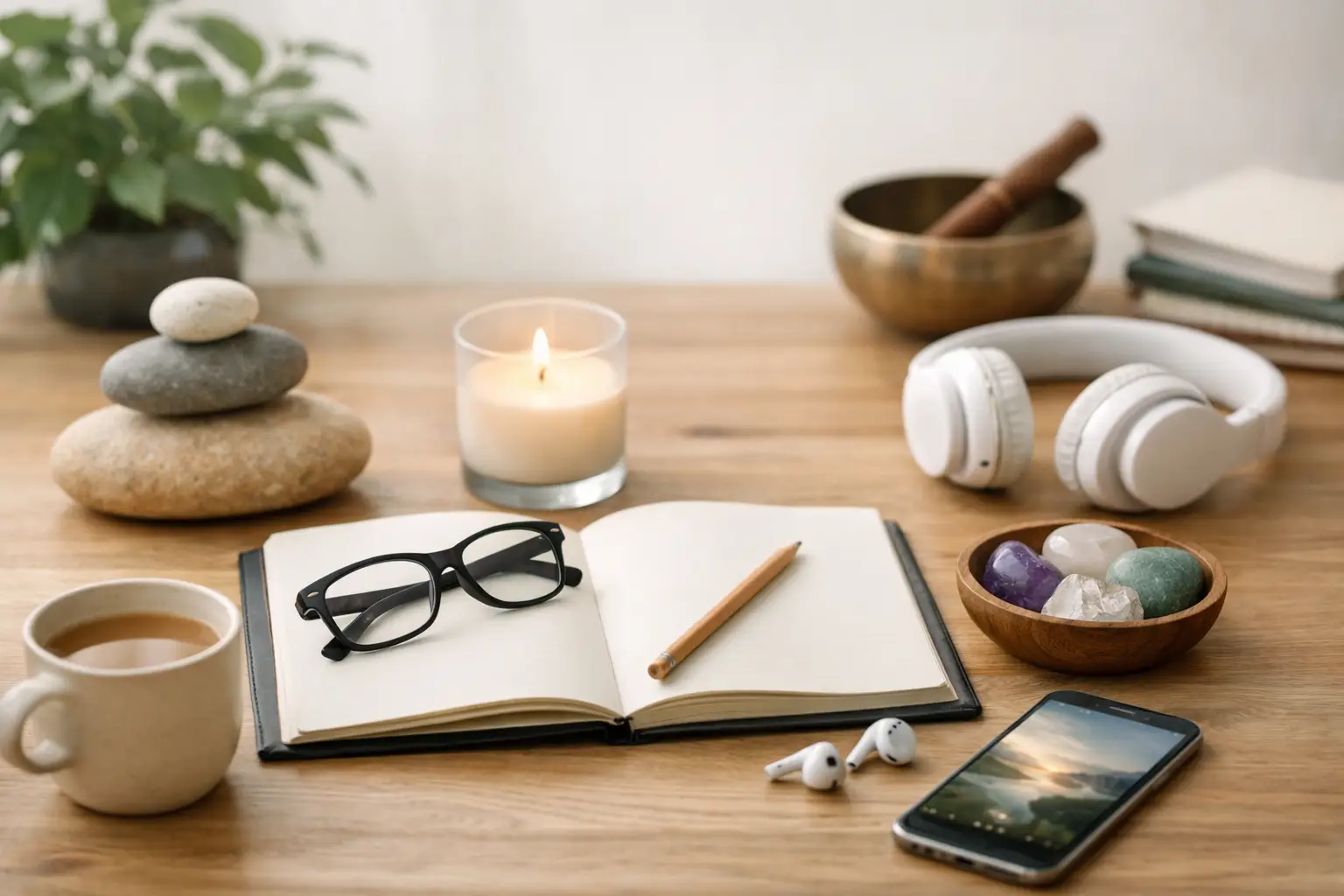
Some days, taking care of your mental health looks less like a breakthrough and more like finding one useful thing that gets you through the next hour. That might be a grounding exercise before work, a journal prompt after an argument, or a clear article that helps you name what you are feeling instead of blaming yourself for it.
That is where mental wellness resources can make a real difference. The right resource does not need to be flashy or complicated. It needs to be trustworthy, practical, and easy to use when your mind already feels overloaded.
For many people, the hardest part is not wanting support. It is knowing what kind of support fits their situation. If you live with anxiety, chronic stress, painful relationship patterns, or the emotional whiplash of a major life transition, there are a lot of options out there. Some are genuinely helpful. Some are too vague to use. Some are useful at one stage and not enough at another.
What mental wellness resources actually do
At their best, mental wellness resources give you structure when your thoughts feel messy. They help you understand what is happening in your nervous system, your emotions, and your behavior patterns. That understanding matters because when you can name a pattern, you are more likely to respond to it with skill instead of shame.
Good resources can also reduce isolation. A clear explanation of anxiety symptoms, trauma responses, burnout, or unhealthy relationship dynamics can remind you that you are not broken. You are having a human response to stress, pain, uncertainty, or overwhelm.
That said, resources are not all meant to do the same job. An educational article may help you recognize a pattern. A workbook may help you practice a new one. A support group may help you feel less alone. A licensed therapist may help you work through issues that self-help tools cannot fully address.
The goal is not to find one perfect answer. The goal is to build a support system that matches your real life.
Types of mental wellness resources worth using
If you have ever searched for help online and ended up with 20 tabs open and no idea where to start, you are not alone. It helps to think in categories.
Educational resources are often the first step. These include articles, guided lessons, psychoeducation tools, and simple explainers that break down topics like anxiety cycles, emotional regulation, boundaries, people-pleasing, and stress recovery. These are especially useful when you feel confused by what you are experiencing and want a place to start.
Self-help tools are more active. They might include worksheets, journaling prompts, check-ins, habit trackers, or coping skill exercises. These can be powerful because they turn insight into action. Still, they work best when they are realistic. A five-minute exercise you can actually do is often more effective than a long routine you avoid.
Community-based support matters too. For some people, healing starts when they stop carrying everything alone. Peer spaces, support communities, and shared educational platforms can offer encouragement and perspective. They are not a replacement for therapy, but they can help people feel seen.
Then there is professional care. Sometimes the most helpful next step is not another article or workbook. It is working with a trained clinician who can help you process trauma, manage symptoms, or navigate patterns that feel too heavy to tackle on your own.
How to choose mental wellness resources that fit your needs
The best resource for you depends on what you need right now, not what sounds impressive.
If you are dealing with mild stress, feeling emotionally drained, or trying to rebuild healthy routines, self-guided resources may be enough to get traction. A short article, a daily reflection tool, or a grounding practice can help you create momentum without adding pressure.
If you are stuck in repeating relationship pain, spiraling anxiety, or shutdown after stress, education plus guided tools may work better together. Learning what is happening is helpful, but practice is what starts to shift your day-to-day experience.
If you feel persistently hopeless, panicked, unsafe, or unable to function, self-help may not be enough on its own. That is not failure. It is information. Sometimes the strongest move is recognizing when you need more support.
A good rule is this: choose resources that are clear, compassionate, and specific. Be cautious of anything that promises instant healing, oversimplifies trauma, or makes you feel judged for struggling. Real support leaves room for complexity.
Mental wellness resources for anxiety and overwhelming stress
When anxiety is high, your brain is usually not asking for more information. It is asking for safety, clarity, and something concrete to do next.
That is why practical tools matter. Breathing exercises can help, but only if they are taught in a way that feels accessible. Body-based grounding can help, especially when your thoughts are moving too fast. Short routines that regulate your nervous system, like stepping outside, stretching, reducing stimulation, or naming what you can see and feel, often work better than trying to think your way out of panic.
Educational resources also help with anxiety because they reduce fear of the fear itself. When you understand that a racing heart, tight chest, restlessness, or overthinking can be part of a stress response, those sensations may feel less mysterious and less threatening.
Stress management resources should also be honest about limits. You cannot journal your way out of a toxic environment. You cannot meditate your way through chronic overwork without change. Coping skills are valuable, but they should support real-life adjustments, not replace them.
When self-help is useful and when you need more
Self-help can be life-changing, especially when it is evidence-based and easy to apply. It can help you notice patterns, build healthier habits, and feel more empowered in your own healing. For many people, it is the first accessible step toward feeling better.
But self-help has limits. If a resource consistently leaves you confused, activated, or blaming yourself for not improving fast enough, it may not be the right fit. The same is true if you understand your patterns intellectually but still feel unable to shift them.
There is no gold star for doing everything alone. Sometimes self-help is the bridge. Sometimes professional support is the missing piece. Many people need both.
That is part of why accessible education matters so much. A person might begin with free articles and tools, then later realize they need deeper support. That progression is healthy. It reflects self-awareness, not weakness.
At Fitness Hacks for Life, that belief shapes the way support is shared. Education can open doors, and professional care can carry the work further when needed.
Building your own mental wellness support system
Instead of collecting random advice, it helps to create a small personal system you can return to. Think less about doing everything and more about choosing a few dependable supports.
You might start with one resource that helps you understand your patterns, one tool that helps you regulate in the moment, and one form of human support. That could look like reading educational content about anxiety, practicing a five-minute grounding exercise, and checking in weekly with a therapist, coach, or trusted support person.
What matters is consistency, not perfection. The most helpful mental wellness resources are often the ones you can return to on hard days without needing extra energy to figure them out.
It also helps to revisit your system as life changes. The support that helped during a stressful season at work may not be enough during grief, relationship loss, or burnout. Your needs can change. Your support can change with them.
Why accessible support matters
Mental wellness should not be treated like a luxury item. People should not have to choose between understanding their mental health and protecting their budget. Free, evidence-based education can be a lifeline for someone who is overwhelmed, isolated, or not ready for therapy yet.
Accessible resources also create earlier intervention. When people can learn about stress, trauma responses, emotional regulation, and relationship patterns before they hit a crisis point, they have a better chance of making small changes sooner. Those small changes matter. They are often where healing begins.
If you are looking for support right now, start small and stay honest. Choose mental wellness resources that help you feel steadier, more informed, and more capable of taking the next step. You do not need to have your whole healing path mapped out today. Sometimes the next useful tool is enough to help you keep going.
Leave a Reply