Essay · Self Care
Self care is for everyone. Yes, including you.
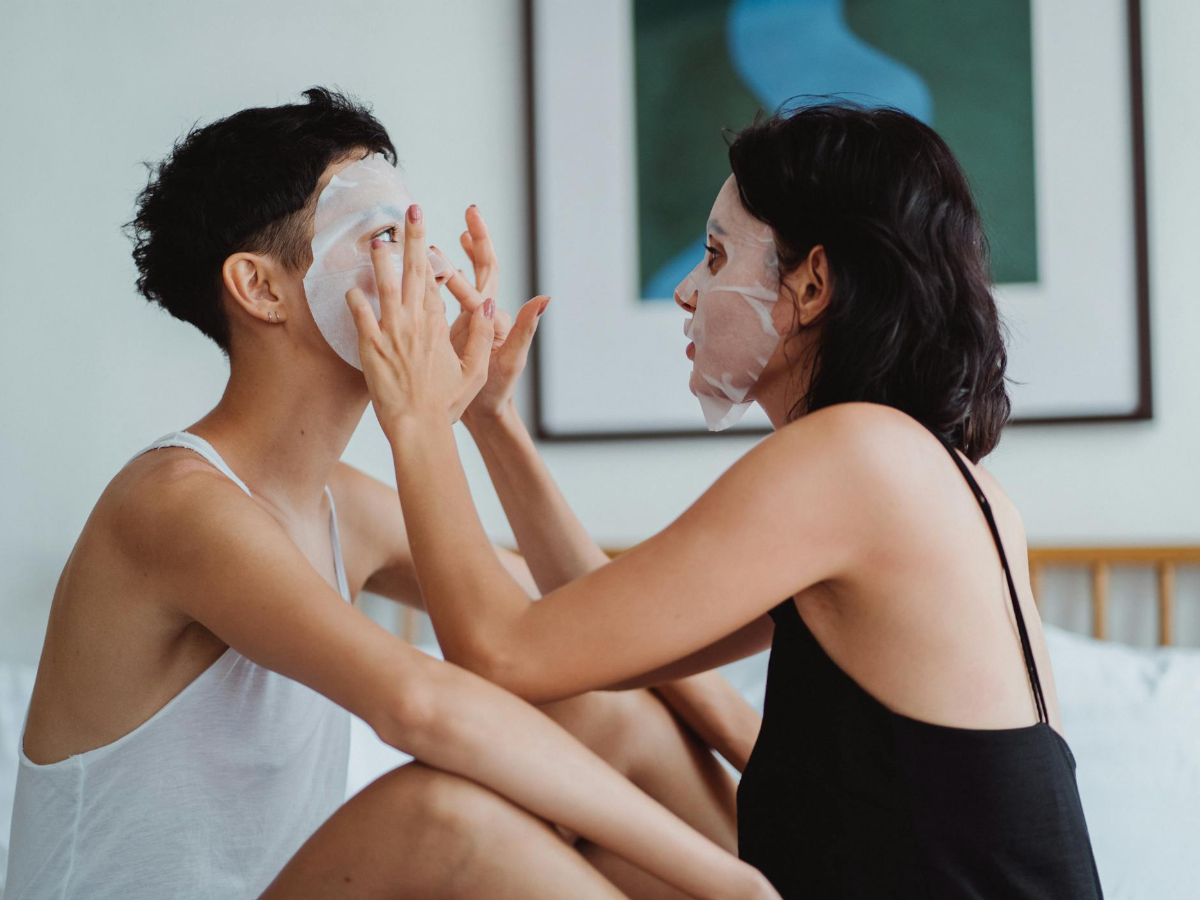
It has nothing to do with face masks or morning routines. It’s simpler, quieter, and more radical than that — and it belongs to all of us.
8 min read. Wellbeing · All Ages
Somewhere along the way, self-care got a rebrand it didn’t ask for. It became expensive. Aesthetic. Gendered. Something you either do or you’re too busy, too tired, or too sensible for.
That version of self-care isn’t what we’re here to talk about. We’re talking about the original idea: that humans need tending to. All of us. The seven-year-old who needs to hear that it’s okay to cry. The forty-year-old man who hasn’t told anyone he’s struggling. The eighty-two-year-old who forgets to drink water. You, reading this, right now.
Self-care isn’t a personality type or a lifestyle category. It’s maintenance. It’s asking yourself, with some regularity, what you need — and being honest enough to answer.
· · ·
Why do we resist it
Most people, when they hear “self care,” feel one of three things: vague guilt that they’re not doing enough of it, mild contempt for how commercialized it’s become, or genuine confusion about what it actually means for them.
Men are often told (implicitly or bluntly) that rest is weakness, that emotions are inefficient, that asking for help is a sign of something gone wrong. Women are often told they should be naturally good at it — and then made so busy caring for others that there’s nothing left. Children are rarely told about it at all. Older adults are sometimes made to feel that their needs have become inconvenient.
“Needing things isn’t a flaw. It’s just biology — and it doesn’t expire.”
The resistance is understandable. But it doesn’t make the need go away.
· · ·
What it actually looks like
Self-care doesn’t have a uniform. It looks like a teenager putting on headphones and staring at the ceiling for twenty minutes because their nervous system asked for quiet. It looks like a dad saying “I’m not okay” to a friend, maybe for the first time in years. It looks like an elderly woman choosing to take the slow walk around the block instead of the efficient one.
It is, at its core, small acts of honesty about what your body and mind need — and giving yourself permission to provide it.
01
Body
Sleep, water, movement, rest. Basics that don’t stop being basics, no matter your age.
02
Mind
Rest your thoughts. Step away from problems. Let boredom exist. Think slowly sometimes.
03
Emotions
Name what you’re feeling. Let it pass through. Don’t bury it until it gets loud.
04
Connection
Reach out. Ask for help. Be around people who make you feel real, not performed.
For the people who say they don’t have time
The tiredness you’re carrying? That’s not a badge of honor. It’s a message. And the message is that something needs to change — even slightly.
Self care at its smallest is a two-minute pause. A glass of water you actually drink. One honest answer to “how are you doing?” instead of “fine.” These aren’t luxuries. They’re the minimum viable conditions for being a functioning person who can show up for the things and people you care about.
Small things that count
- — Sitting outside for ten minutes without your phone
- — Saying no to one thing this week that you didn’t actually want to do
- — Telling someone you trust about something you’ve been quietly carrying
- — Going to bed before you’re completely exhausted
- — Doing something you enjoyed as a kid, without justifying it as productive
- — Drinking water. Eating something real. Moving your body even a little.
· · ·
A note to younger readers
You are allowed to need things. You are allowed to be tired, overwhelmed, sad, or confused — and those feelings don’t mean something is wrong with you. They mean you’re paying attention. Learning how to recognize what you need, and ask for it, is one of the most useful things you’ll ever do.
A note to older readers
Your needs matter at every decade. The dismissiveness you sometimes encounter — from healthcare systems, from busy family members, from your own internalized voice — is wrong. You are still someone who deserves tending to. Pleasure, rest, connection, and gentleness don’t have an age limit.
A note to those who care for others
You already know this, in theory: you cannot pour from an empty vessel. But knowing it and living it are different things. The people you love are not better served by a version of you that’s running on empty. Your wellbeing isn’t separate from your ability to care — it’s the foundation of it.
· · ·
The only rule
There isn’t a checklist. There’s no routine you’re supposed to follow, no product you need to buy, no version of yourself you need to become. The only rule is paying enough attention to yourself to notice what you need — and being willing to take it seriously.
That’s it. That’s the whole thing.
You’re a person. Persons need tending. Tend to yourself, in whatever small or large way makes sense today.
Start somewhere small.
What’s one thing your body, mind, or heart needs today that you’ve been putting off? Give yourself five minutes to actually do it. Not tomorrow. Today.
Leave a Reply