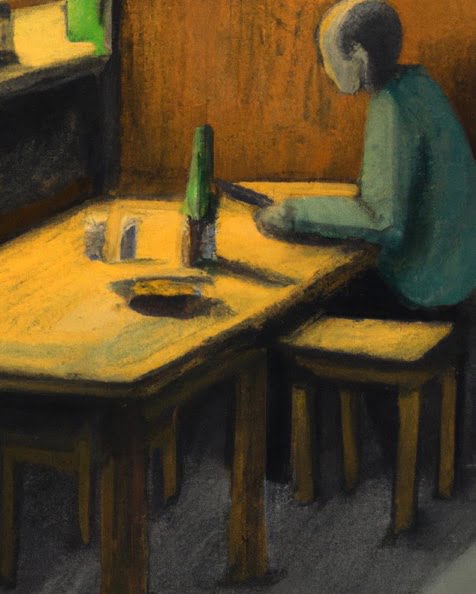
Do you often second guess yourself? Are you having trouble making simple decisions? Do you ask yourself ‘am I just too sensitive’ a dozen times a day? Do you sometimes feel confused and crazy at work? Do you know there is something is wrong, but you just can’t put your finger on it? You start lying to your partner to avoid the reality twists? Do you withhold details of your relationship from friends? Do you feel that you are not the same self you were when you met your partner?
If you answered YES to one or more of these questions – you may be in a gaslighting relationship. Let’s take a closer look on how to identify the gaslight effect.
In my book The Gaslight Effect: how to spot and survive the hidden manipulation others use to control your life, I describe the debilitating impact that dancing the ‘gaslight tango’ can have on you as you move through the stages of gaslighting. If you are suffering the gaslight effect, you are no longer sure of your reality, you are questioning your sense of self and you have given over your power in order to preserve the relationship. That’s the bad news. And, tragically, you are in deep psychological pain – sometimes you even feel like your soul hurts. But – there is good news here too: being in an ongoing gaslighting relationship requires your participation – even unwittingly – and that means that when you can name it you can begin to gather your inner strength and outside resources to step out of the dynamic.
I wrote the book because I listened to my patients and my friends, for years, talk about being consumed by a dynamic I called the “gaslight tango”. I witnessed the most successful of women, come unglued in their most intimate relationships, while at the same time, leading non profits, running companies with confidence and great success.
The people I saw dancing the ‘gaslight tango’ most often in my practice were in romantic relationships. While both men and women can be gaslighters, the pairing I see most often is the man as gaslighter and the woman, the gaslightee – following a more traditional model of man, the dominant and woman, the submissive. However, I have worked with many men who are gaslightees, many women who are involved with gaslighting women and both sexes being gaslighted by men or women in the workplace. No matter the players, gaslighting is a form of psychological abuse.
The “powerful” gaslighter communicates with certainty and consistency that he is right and there is something wrong with you or the way you think. The systematic knocking you down over time, will eat away at your confidence and cause you to experience a growing shakiness of self. Gradually, you begin to question what you thought you knew to be true. You are second guessing your reality.
Identifying The Stages Of The Gaslight Effect
In the next blogs, I will tell you more about what gasligting looks like in Stage 1: Disbelief, Stage 2: Defense, Stage 3: Depression. I will describe the different types of gaslighters the “glamour gaslighter” “good guy gaslighter” “the intimidator gaslighter”. I will explore – and, present some cases – about vulnerabilities on both sides and dynamics that keep gaslighter and gaslightee dancing together.
And – importantly, I will give you tips and strategies about how to stop gaslighting, and how to decide to stay or leave a relationship – and, either way, how to reclaim your reality and your joy.
In the meantime – if you are dancing the Gaslight Tango: here are a few quick tips about how to step out of the dance, now that you recognize that’s what is happening :
Opt out of power struggles – write down language you can use and practice it (like this: we are saying the same thing, again and again, I just don’t want to continue)
Avoid the right-wrong debates – pay attention to how you feel instead
Practice sentence stems like “we can agree to disagree” when your perspectives clash
Use silence instead of commenting when someone is provoking you – or, excuse yourself and walk away
Write down your dialogue, as verbatim as you recall, and take a look at it at another time – notice when the conversation pivots to gaslighting
Talk to a trusted friend for a reality check when you feel uncertain
Trust your gut, if something feels wrong, it is wrong for you!
Identify The Gaslight Effect With Robin Stern’s Book
If you think things like this can’t happen to you, think again. Gaslighting is an insidious form of emotional abuse and manipulation that is difficult to recognize and even harder to break free from.
The Gaslight Effect: How to Spot and Survive the Hidden Manipulation Others Use to Control Your Life will show you how the Gaslight Effect works, how you can decide which relationships can be saved and which you have to walk away from —and how to gasproof your life so you’ll avoid gaslighting relationship. Learn more about my book on The Gaslight Effect.
Robin Stern, Ph.D., is the Co-founder and Senior Advisor to the Director, Yale Center for Emotional Intelligence and an Associate Research Scientist at the Child Study Center at Yale.
Boundaries are relationship expectations that establish how you do (and don’t) want to be treated.
After a breakup, many people struggle to set and maintain new boundaries with an ex.
Honestly evaluating why and how you want your ex in your life is key.
Source: Mixmike, Getty Images
When we fail to set boundaries and hold people accountable, we feel used and mistreated. —Brené Brown
After a breakup, the way we relate to our former romantic partner shifts dramatically. Sexual, romantic, and daily shared life patterns stop or morph, making way for a new normal for each partner. This leaves many in an uncomfortable state of transition, wondering whether they can still have their now-ex in their life—and how.
Transitioning from being lovers to friends, platonic colleagues, or even just civilized co-parents is much easier if there are good boundaries.
Boundaries are relationship expectations; they reflect how you want to be treated and what you’re going to do if someone violates those expectations (APA; Cloud & Townsend, 2017). This can include everything from how you want someone to talk to you to whether you want them to touch you to how much time you want to spend with them (Warren, 2023). In this way, boundaries keep you safe in your interpersonal relationships.
If you find yourself wanting a non-romantic relationship with your ex after a breakup—or if you must have one of necessity, because you work together or share parenting responsibilities—here are 4 steps to help you set new boundaries.
Before trying to be friends or non-romantic partners, it’s essential that you really explore what’s driving your desire to be connected in the first place. Why do you want to be friends with your ex? Is it because you really care about them and think you can add to one another’s life in a meaningful way as friends more than you could as lovers? Or, for example…:
Do you want to stay connected because you’re afraid of being alone?
Do you feel guilty about the breakup or your role in the relationship ending, so you’re trying to ease the pain?
Do you selfishly want a tie to your ex because they’re still in love with you, to ease your ego in case your next relationship fails?
Are you secretly aware that you want to continue a sexual connection with your ex without commitment but won’t directly tell your ex that?
Knowing why you want to stay connected is key to setting healthy relationship expectations. If you’re honest with yourself and realize that staying friends with your ex is coming from a less-healthy place that has nothing to do with them as a person, you may decide that cutting off contact is a better choice.
Step 2: Describe Your Ideal Relationship
Once you’ve honestly admitted your motivation for keeping your ex in your life, it’s time to figure out what an ideal non-romantic friendship with your ex would look like. Given that you’re no longer together, how do you want them to be in your life? Ask yourself questions like:
What does “being friends” mean?
How often do you want to talk or see one another?
Do you still want to see them? When and under what conditions?
Do you want a relationship or are you mostly hoping it’s not awkward to run into them because you have mutual friends?
In addition, are there any dealbreakers to being friends? For example, are there things you don’t want your ex to do, like stopping by unannounced; calling late at night; sending sexy photos; or continuing to have sexual interactions?
Get as clear as you can about how you would like—and not like—to have your ex in your life moving forward.
Step 3: Share Your Perspective With Your Ex
Now that you’ve figured out some of your motivation for being friends and what you’d like that relationship to look like, it’s time to share it with your ex and get their feedback to see whether a friendship works for them. For example, you may say something like:
I know things are changing between us because we broke up. Even though we’re not romantically together anymore, I want to be friends with you because I really care about you as a person. You’re funny and I really like you as a person—we just weren’t good together as romantic partners. What I hope is that we can be friends moving forward. To me, that means we can see each other once in a while—maybe grab coffee or catch up sometimes. I know we’ll run into each other at parties too.
What I really don’t want is for us to be awkward saying hi or feeling like we can’t interact anymore. Or for being friends to hurt either of us as we date new people. So, I think it’s better not to hook up with each other moving forward. What do you think about what I’ve said? Do you want to try to be friends with me? Do you think we can? Do you think it would be healthy for you?
Step 4: Evaluate Over Time
As you establish what you want and need in your new friendship with your ex, it will be important to continually see how it feels to you over time. If your ex acts in a way that is inconsistent with the new relationship you’ve outlined, it will be important to respond.
For example, if they continue to pursue sexual interactions even when you’ve said you aren’t available for them, you may need to say something like: “Please don’t come onto me in a romantic way; we aren’t together anymore”; “I don’t want to be in a sexual relationship with you anymore, so I’m not going to respond to your advances”; or, “I’d appreciate it if you don’t stop by my place unannounced anymore. If you do, I’m not going to let you in.”
Like all relationships, you’ll get more information as you go. If you find that your new interactions or way of relating isn’t healthy for you or them, change it until you find something that works. Ultimately, that may mean that you aren’t capable of being friends— at least not yet.
The Naked Truth
Clear boundaries exist in all healthy relationships. They establish the kind of relationship you’re willing to be in and how you will respond if someone treats you in a way that’s inconsistent with your values and personal needs. When you’re going through a breakup, setting new, clear boundaries for yourself and your ex is key to moving on in a healthy way—whether they ultimately stay in your life or not.
Copyright Cortney S. Warren, Ph.D., ABPP
Note: This content is only for informational and educational purposes and should not be considered therapy or any form of treatment. I cannot respond to personal requests for advice over the internet. Best on your continued journey.
Cortney Warren, Ph.D., ABPP, is a board-certified clinical psychologist and former tenured associate professor of psychology at the University of Nevada, Las Vegas (UNLV). She earned her bachelor’s degree from Macalester College in 2000 and her Ph.D. in clinical psychology from Texas A&M
We live in a world that often promotes “good vibes only,” encouraging us to always look on the bright side and stay positive. While optimism can be a powerful tool, there’s a fine line between encouragement and emotional invalidation. That’s where toxic positivity sneaks in.
Toxic positivity is the belief that no matter how bad or painful a situation is, we should keep a positive mindset. It’s the voice that says “everything happens for a reason” when your world is falling apart. It’s the pressure to smile when your heart is heavy.
And while it’s often well-intentioned, it can actually do more harm than good.
🌫️ What Is Toxic Positivity?
Toxic positivity is the overgeneralization of a happy, optimistic state in a way that denies, suppresses, or invalidates authentic human emotions.
It shows up in phrases like:
“Just stay positive.”
“It could be worse.”
“Good vibes only.”
“You’ll get over it.”
These statements might seem harmless or even encouraging at first glance. But for someone going through real pain, they can feel isolating and dismissive.
🌱 What Is Healthy Support?
Healthy support, on the other hand, holds space for emotions. It’s the practice of listening without judgment, validating feelings without trying to fix them, and offering empathy instead of solutions.
Examples include:
“That sounds really hard. I’m here for you.”
“It’s okay to feel upset. Your feelings are valid.”
“Do you want to talk about it, or just sit quietly together?”
This kind of support makes people feel seen, heard, and safe.
💡 Why Toxic Positivity Can Be Harmful
It invalidates emotions. When someone is told to “just think positive,” it suggests their pain isn’t real or important.
It causes shame. People may start to believe they’re weak or wrong for feeling negative emotions.
It disrupts connection. Real relationships are built on honesty. If someone can’t be vulnerable, they may start to withdraw.
It blocks healing. Suppressing difficult feelings doesn’t make them disappear. In fact, unacknowledged emotions can linger and grow.
🧠 Let’s Reframe It: Side-by-Side Examples
Here’s how we can turn toxic positivity into healthy, emotionally intelligent responses:
Toxic Positivity
Healthy Support
“Just be happy.”
“I can see this is really hard. Want to talk about it?”
“Look on the bright side.”
“It makes sense that you feel overwhelmed right now.”
“You’ll get over it.”
“Take all the time you need to heal. I’m here.”
“Others have it worse.”
“Your experience is valid, and your pain matters.”
are some examples
Situation
Toxic Positivity
Healthy Support
Someone loses their job
“Just stay positive, everything happens for a reason!”
“I’m really sorry you’re going through this. That must be really tough—how can I support you?”
A person is grieving
“At least they lived a long life.”
“I can’t imagine how painful this must be. I’m here for you if you want to talk or sit together.”
Someone feels anxious
“Don’t worry, be happy!”
“It’s okay to feel anxious. Do you want to talk about what’s making you feel this way?”
A friend is overwhelmed
“You’ll be fine! Just look on the bright side.”
“That sounds really overwhelming. I’m here to listen if you need to vent.”
Someone shares a personal struggle
“Others have it worse, you should be grateful.”
“Your feelings are valid. It’s okay to feel this way, even if others are going through things too.”
The previous post outlined what true love and respect look like in action. Now, let’s explore the shadow side: partners who, often without malice, slowly but surely exhaust your emotional reserves until you have nothing left.
These are the “energy drains.” They don’t necessarily have to be overtly malicious, but their consistent behaviors create an imbalance where you are perpetually giving, soothing, or proving your worth.
Understanding these patterns is the first step toward reclaiming your emotional health. Here are the four most common types of partners who drain your energy:
1. The Perpetual Victim (The Emotional Black Hole)
The Perpetual Victim’s world is a constant series of unfair events that happen to them. They deflect any responsibility for their circumstances, and every conversation is ultimately framed to elicit sympathy and caretaking.
The Drain: You become their designated therapist and savior. You spend all your time trying to fix their problems, soothe their anxieties, or find external reasons for their failure. Because they never take agency, the problem is never actually solved, leading to repetitive, exhausting emotional labor on your part.
The Action (What you see): They always have a crisis, they refuse to take advice, and they frequently start sentences with phrases like, “I just can’t catch a break,” or “Everyone is against me.”
2. The Unrelenting Critic (The Constant Measurer)
This partner is an expert at pointing out what is lacking—in you, in the relationship, and in the world. Their criticism isn’t constructive; it is a means of maintaining emotional superiority or masking their own insecurities.
The Drain: The relationship stops feeling like a safe haven and starts feeling like an audition. You constantly modify your behavior, words, or appearance, seeking an approval that never truly arrives. This leads to profound self-doubt and emotional exhaustion from always walking on eggshells.
The Action (What you see): They use “jokes” to undermine your achievements, they critique your style of loading the dishwasher, or they constantly compare you unfavorably to others. The emotional atmosphere is always subtly tense.
3. The Scorekeeper (The Transactional Partner)
The Scorekeeper views the relationship as a transactional business arrangement rather than a partnership. They keep a meticulous, silent tally of who did what, when, and how much it cost them.
The Drain: This partner sucks the joy out of giving because every kindness is instantly filed away as a debt you owe. Arguments quickly devolve into a recital of past favors or sacrifices they made, demanding immediate repayment or leverage in the current disagreement.
The Action (What you see): They respond to a kind gesture with, “Well, I fixed your car last month,” or during a disagreement, they bring up an unrelated sacrifice from three years ago. Generosity and spontaneity vanish.
The Covert Controller doesn’t demand; they maneuver. They exert power by generating guilt, using passive-aggressive tactics, or subtly limiting your independence by making you feel incapable without them.
The Drain: You constantly feel guilty, confused, or like you’re the “bad guy,” even when you’ve done nothing wrong. They drain your mental energy because you are always trying to decipher their true intentions and manage their unspoken disappointment. This can frequently involve gaslighting, making you doubt your own perception of reality.
The Action (What you see): They use silence or martyrdom to punish you for making independent plans, or they express “concern” for your hobbies in a way that discourages you from pursuing them (e.g., “Are you sure you can handle that trip alone?”).
How to Reclaim Your Emotional Reserves
If you recognize these patterns, remember that you cannot fix someone who is unwilling to acknowledge their behavior. Your only job is to protect your own well-being.
Set Firm Boundaries: Decide what you will and won’t accept. For the Victim, refuse to solve problems they won’t act on. For the Critic, clearly state you won’t continue the conversation if they resort to personal attacks.
Stop Giving: Once you stop offering the “energy” they are looking for (sympathy, validation, defense, etc.), their draining behavior often loses its power.
Seek Professional Guidance: Relationships involving persistent criticism, gaslighting, or emotional control often require external support to navigate. Seeking a licensed counselor can provide clarity and a safe plan for moving forward.
Need to break the cycle of exhaustion? Find a relationship professional who can help you set healthy boundaries and foster balanced relationships through our sister site, TheraConnect.
Overt narcissists, characterized by their grandiose behavior and sense of entitlement, often have a complex and superficial relationship with empathy. While they may appear to be compassionate, their actions are typically driven by a need for admiration or personal gain, rather than authentic concern for others. This can be particularly evident in their family dynamics, where their relationships with a spouse and children reveal a pattern of conditional and self-serving behavior.
Empathy in Marital Relationships
In a marriage, the empathy of an overt narcissist is often a performance. They may engage in what seems like caring behavior—like offering support during a tough time—but these gestures are often transactional. They might do this to maintain their image as a supportive partner, to avoid conflict, or to ensure their spouse continues to meet their needs. This form of empathy is not a response to the spouse’s feelings but a tool for manipulation. The lack of genuine connection can leave the spouse feeling isolated and emotionally drained, struggling to understand the difference between true care and a staged display.
Empathy Toward Children
An overt narcissist’s relationship with their children is often a reflection of their own ego. Their pride in their children’s achievements is less about the child’s success and more about how that success enhances the narcissist’s own status. As parents, they might appear involved and caring, but their support is frequently conditional on the child’s ability to meet their high expectations. This can lead to a dynamic where a child feels loved only when they are performing well, creating a sense of emotional neglect. This conditional affection can deeply impact a child’s self-worth and emotional development.
Recognizing the Deception
Ultimately, the empathy of an overt narcissist is not a genuine reflection of concern. It’s a carefully managed façade. They may understand the emotions of others on an intellectual level but lack the emotional capacity to feel them. This emotional void can create significant turmoil for their family members, who may experience confusion and a constant need to prove their worth. Understanding this dynamic is a critical step in recognizing and navigating the complexities of a relationship with a narcissist.
In our fast-paced world, our nervous systems are often on high alert, constantly scanning for threats or “triggers.” But what if we shifted our focus to the small, positive moments that bring us a sense of peace? These moments, known as glimmers, are the opposite of triggers. They are micro-moments of joy, safety, and wonder that act as a gentle reset for your mind and body. While a trigger can send you into a state of stress, a glimmer can pull you back toward a feeling of calm.
How Glimmers Support Mental Health
Experiencing a glimmer sends positive cues to your nervous system. This might be the warmth of the sun on your skin, the sound of laughter from a loved one, or the taste of your favorite food. These small moments of awe cause a subtle but powerful mood shift, helping to release tension and cultivate feelings of contentment. By intentionally noticing these moments, you train your brain to seek out and appreciate positivity, a practice that can help you feel more resilient and better equipped to handle life’s stressors.
Cultivating a Glimmer Mindset
Embracing glimmers is about shifting your perspective from what is wrong to what is right. It’s a conscious act of focusing on the good, no matter how small it may seem. This practice can help you build a more hopeful and optimistic outlook on life, even during challenging times. As you begin to recognize and appreciate these fleeting moments of happiness, you’ll find they are everywhere—a simple smile from a stranger, a beautiful song on the radio, or a few quiet minutes of peace with a cup of coffee.
By actively seeking out glimmers, you are investing in your mental and emotional well-being. This simple practice has the power to create a ripple effect of positivity, helping you find moments of peace and contentment in every day.
What is Toxic Family Dynamics? Toxic Family Dynamics come in various forms and can damage a child’s development in visible and invisible ways. Some of the toxic family dynamics that sensitive/ intense children can get locked into include: Having depressed or emotionally blank parents, having controlling parents, enmeshment, having to step up as ‘little adults’, having to face parents’ envy, and being scapegoated as the black sheep. On this page, we will explain these dynamics one by one, and explain how they can cause Complex Trauma or Complex PTSD.
What is Complex PTSD?Complex trauma, or Complex PTSD, results from repeated, often ‘invisible’ childhood experiences of maltreatment, abuse, neglect, and situations in which the child has little or no control or any perceived hope to escape. Growing up in an environment full of unpredictability, danger, parental inconsistencies, or emotional abandonment, these individuals are left with ’hidden traumas’ that disrupt not only their psychological but also neurological and emotional development. These invisible forms of trauma is what we call Complex Trauma, or Complex PTSD.
Complex Trauma, the Invisible Trauma (Complex PTSD)
In the past, psychologists have typically focused more on the impact of ‘shock trauma’ from extreme events such as accidents, wars and natural disasters. However, there is a second type of trauma that is very real and pervasive, yet not captured by the traditional diagnosis of Post Traumatic Stress Disorder (PTSD). The term Complex PTSD describes chronic childhood trauma, such as emotional neglect or parentification, that is invisible in nature.
It is easy to recognize when a child is explicitly, physically or sexually abused, but the impact of having inadequate or deficient parents can be elusive and escape our collective awareness. Sometimes the trauma could even be about what your caregivers did not do (omission) rather than what they did (commission).
Unfortunately, unlike shock trauma or physical abuse, the psychological injuries caused by emotional abandonment or alienation are often invisible and unacknowledged. This may leave these children to feel confused, assume that their traumatic experiences are not valid, and turn to blaming and shaming themselves. Even as adults, they may suppress or deny these painful memories by dismissively comparing their trauma to that of others who were more ‘noticeably’ abused.
Growing research has found that a wide array of psychological difficulties find their roots in these chronic childhood relational and attachment injuries. Children who experience this type of trauma show a disrupted ability to regulate their emotions, behaviors and attention, and these symptoms often extend into adulthood, leading to clinical presentations including Bipolar Disorder, ADHD, Borderline Personality Disorder, and even chronic physical pain (APA, 2007).
Complex Trauma and the Highly Sensitive, Intense and Gifted
When it comes to emotionally intense, sensitive, and gifted individuals, we ought to be cautious of the confines of categories and diagnoses. Far too often, the most creative, forward, and independent-thinking people are being misunderstood, mislabelled, and misdiagnosed.
Being sensitive does not equal vulnerability. Highly sensitive people are innately porous and receptive to their environment, making them painfully aware of not just physical sensations, sounds, and touch but also relational experiences such as warmth or indifference. In critical, undermining settings, they may devolve into despair, but— and this is important to note— in a supportive and nurturing environment, they thrive like no others.
It is true that because of their unique ways of perceiving the world, they are acutely aware of and have more intense internal responses toward existing problems in their early lives, which may exacerbate the impact of any developmental deficits and trauma. However, sensitive children respond to not just the negative but also the positive. They may be more prone to upsets and physical sensitivities, but they also possess the capacity to be unusually vital, creative, and successful.
In other words, the intense and sensitive ones are not born ‘vulnerable’, they are simply more responsive to their environments and, therefore, more likely to be negatively impacted by toxic family dynamics. But with the right kind of knowledge, support, and nurture, potentially through therapy and coaching, even if this means replenishing what one did not get in childhood, later on in adulthood, they can thrive.
But when she was scared, she was a child again, and she was more afraid of being a child again than anything else in her life.” ― Tamsyn Muir
Toxic Family Dynamics and the Intense, Highly Sensitive, and Gifted
Being the parent of a sensitive and emotionally gifted child has its own rewards. However, parents need to be very mature and highly aware. Many do not have all that it takes. Most of the time, parents do not intentionally exploit or abuse their sensitive children – their limited understanding or experience simply gets the best of them.
The families of emotionally intense children typically end up addressing the situation in one of two ways; they allow themselves to love the child, however painstakingly, or they reject the child for his or her strangeness. In an experiment conducted by Andrew Solomon, involving interviews with over 400 families, it was observed that in the case of having atypical children, would-be good parents were extraordinary, going the extra mile if the need arose, and the would-be bad parents were downright abusive. He concluded that having an exceptional child exaggerates parental tendencies.
Complex trauma caused by a toxic family dynamic is detrimental because it is usually invisible. On the surface, we look just fine. We were provided with all the material things we needed; clothing, food etc. But the way that we feel inside does not coincide with what our appearance portrays. There is sometimes the pressure to keep up the illusion of a “normal happy child from a normal happy family”. Our parents and society tell us we are well, but the fact that we did not feel this way growing up makes us confused.
“Trauma is personal. It does not disappear if it is not validated. When it is ignored or invalidated the silent screams continue internally heard only by the one held captive.” ― Danielle Bernock
Toxic Family Dynamic 1: Scapegoating
When emotionally sensitive children were born into neuro-typical families, it was difficult for the family to understand them. As such, they quickly became the cast away; “the different one” or the “difficult child”.
It takes a lot of patience, maturity, and strength to bring up an intense and emotionally sensitive child. However, due to all sorts of reasons, from trauma to emotional incapacities, not all families can do this. In a healthy family, there should be enough freedom for each member to express themselves as individuals. But in families with little tolerance for differences, the child becomes the scapegoat; the black sheep of the family.
Being scapegoated may not mean that our family did not love us. Usually, people resort to making a scapegoat of an individual to avoid dealing with their own emotional turmoil. As soon as someone is scapegoated, the family will try to make it stay that way so that they do not have to deal with their own problems or vulnerabilities. When we try to change or leave, we may be emotionally blackmailed or manipulated.
The following may indicate you have been scapegoated:
You were criticized for innate attributes or characteristics such as sensitivity and intensity.
Name tags such as “weird”, “trouble” etc.
You receive unequal treatment compared to your siblings.
Your mistakes or errors were blown out of proportion and were punished more than necessary.
You were not paid enough attention when bullied.
No one cared enough to know or understand or listen to you.
Your family dismissed or downsized your achievements.
Once adopted, we find this scapegoat role difficult to shake, even as an adult. We may carry this assumed identity all of our lives.
While we may intellectually understand later in life that we were not the cause of the family problems, shifting from self-loathing to self-love requires profound emotional healing. We must know we were never the cause of chaos in the family; neither were we responsible for solving any problems. To heal, the child in us must go from being in denial to anger to finally finding freedom and release.
(Here is a Full Article on what it means to be framed as the Black Sheep of the family and how you can cope)
Toxic Family Dynamic 2: Parentification
Parental guidance and protection are crucial in developing a sense of safety and foundation within our psyche. Some parents, however, cannot provide this due to insufficient emotional resources. If this is the case, the parent-child roles are reversed; the child becomes the parent, and the parent becomes the child. This parent-child role reversal is known as parentification, which can form a toxic family dynamic.
Generally, there are two types of parentification. Emotional parentification happens when the child becomes the parent’s emotional support. This could occur when a parent shares the innermost details of their anxieties and worries with the child – intimate details the child is really too young to process.
Instrumental parentification is when the child engages in physical labor and support in the household, such as doing the housework, cooking, cleaning, taking care of younger siblings, and other “adult” responsibilities.
Of the two types, emotional parentification has the direst consequences in terms of childhood development. In psychological terms, it is considered a form of abuse, exploitation, and neglect that is difficult to respond to. Some experts even call this ’emotional incest.’
Parentification can happen in several ways; the parent was behaving child-like, confiding in the child on sensitive matters, or relating with the child as a peer or close friend. If we had been put in these situations, we would feel obliged to step up to the role in order to deserve the parent’s love. The effects on our sense of self-worth and our idea about love are far-reaching, though not immediately apparent.
Parentification is a boundary violation. You were forced to grow up faster than you should. You had nobody to look up to or rely on for guidance. You had to learn and accept that your needs would not be met and that having your own dreams and desires was not acceptable. As a result, you learn to shove your feelings down. You learn to deny your innermost thoughts and ignore your own needs so you can avoid disappointing your parents.
When parentified, you had to parent your siblings as well. You might end up feeling as if you fell short or like you failed because, by default, it is impossible for a child to perfectly fill the role of a parent. You may also feel guilty when you have to leave home (e.g. when you go to college and have to ‘leave our siblings behind’). Psychologically, you feel like a parent walking out on their children.
There is no way we could have helped our parents with their emotional pains or many dissatisfactions with their lives. You believe it was your fault and that you were not enough. This affects you even as you grow into adults. You have an overly obligated sense of responsibility in relationships and may overcompensate for this. You do not learn to say “no” or to recognize when to stop giving. You are always too eager to help or rescue other people from pain and might be attracted to partners that take more than they give. Eventually, you can become emotionally drained and fatigued.
What makes the situation worse is your difficulties in getting angry at your parents. When we were parentified, we intellectually understood that they did not mean to be abusive and were just limited or vulnerable. As sensitive children, you felt very compassionate and protective of your parents. This protective instinct hinders you from admitting the truth of what you have been deprived of.
Ongoing research has proven that this sort of abuse is a risk factor in a child’s normal development, this is why it is considered a toxic family dynamic. It leaves deep emotional wounds that endure into adulthood. Behavioral manifestations that begin in childhood tend to become worse in adulthood, making it challenging to maintain healthy relationships.
As the primary caregiver for your parents and siblings, there is often no emotional support, no safety net. For the most part, you were expected to keep it together and never show signs of distress. As adults, you may have trouble saying “no” to people. You are often unable to express anger and have a hard time trusting others.
(Here is a Full Article on what it means to be Parentified and how you can cope)
“Dissociation is the common response of children to repetitive, overwhelming trauma and holds the untenable knowledge out of awareness“
Judith Spencer
Toxic Family Dynamic 3: Having Emotionally Unavailable Parents
Some caregivers can be emotionally unresponsive to their children due to mental illness, limited psychological capacity, work or health demands, and neuro-atypical traits like Asperger’s syndrome, ADHD, or autism. This unresponsiveness, in turn, makes the children feel shut out and abandoned.
Parents need to acknowledge children’s expressions for them to develop a sense of self-worth. This is done through a process called mirroring. Children need to feel wanted and welcomed by their parents. To achieve this, parents applaud a child, encourage them and converse with them in an affirmative way.
Sure, a parent cannot be there for the child at all times. A parent has work or other commitments to attend to. But as a baseline, we receive enough mirroring experiences to build a foundation. If we have received sufficient mirroring as a child, we will have enough memories to draw from and no longer require constant reassurance. We will grow up with a good sense of self-worth and an ability to self- regulate. If, however, we have not had enough mirroring experience, the development of our internal-mirroring can be hindered, and part of our psyche remains child-like and dysregulated.
In the Still Face Experiment by Edward Tronick in 1975 (there is a short, provocative video clip on Youtube) which demonstrates the process and importance of mirroring, a mother is asked to keep a blank face and ignore the child’s attempt to engage her. The child “rapidly sobered and grew wary” on getting no response from the mother. After several failed attempts, he resigned and turned away, looking hopeless. These events occurred quite quickly, such that they could have gone unnoticed. The experiment shows that we learn to regulate emotions by mirroring. Babies only learn to manage and regulate how they feel when they have other people as mirrors.
This skill is particularly crucial for empathetic children. You are likely to have an active mirror neuron system that makes you more prone to emotional contagion and being affected by other people’s feelings. It is easy for you to get overwhelmed by other people when you cannot self-regulate.
Adults in some families may disapprove of children with scorn when we try to connect with them. This emotional neglect takes a substantial toll. We do not easily forget these hurtful events and undo the impact of the toxic family dynamic.
Toxic Family Dynamic 4: Enmeshment
According to Separation-Individual theory (1975), babies have a natural symbiotic relationship with their mothers at birth. However, they still need to have a sense of self and know their mothers as a different entity from them in order to develop healthily. Some parents have a hard time letting go and separating themselves from their children, usually due to their own insecurities or unfulfilled lives. This eventually denies the child opportunities to take risks, explore, make productive mistakes and become resilient.
Anxious parents may subtly send emotional messages to their children like “I cannot survive without you”, “don’t go”, “don’t grow up”, “you can’t go”, “you can’t make it without me”, “it’s a dangerous world out there”.
Often, these parents’ need to maintain control comes from their fear of being dispensable. They may try and use the child to fill a void they feel from being displeased with their own lives or relationships. Alice Miller, in her seminal work, “The Drama of The Gifted Child”, explains this particular complex trauma. On having a child, the parent may feel as though she finally has someone who will love her unconditionally and proceed to use the child to fulfil her own need to be wanted (the female pronoun is used in old psychoanalytical texts. We should be careful not to preserve this mother-blaming culture). We can imagine why it is tempting for the parents to use an empathic child as a confidant— they are loving, perceptive, and sensitive. They can sense when their parents feel down even before they actually do.
When our parents’ needs override our own need to be independent, we develop an identity that is tailored to suit them. After all, we were afraid of losing their love. This results in enmeshment— a relationship where people become excessively involved with each other. In enmeshment, family boundaries are blurred or non-existent. A switch in someone’s mood quickly affects the whole family. Since you did not grow up with firm emotional boundaries, you struggle to set them as adults. You have a blurred sense of identity and find it difficult to differentiate between your feeling and the feelings of those close to you. You feel an obligation to help others, sometimes compulsively. It may be difficult for you to have balanced relationships.
Enmeshment is an insidious, toxic family dynamic because it often occurs under the guise of love, loyalty, family, or unity, which makes it even more deceptive. Rather than love or family, it comes from a place of fear. A truly loving family encourages the young ones to be independent, to be a “self” rather than an “us”. A child should not feel like there is a condition upon which they are loved. Parents should not feel like their children are their only source of happiness, fulfillment, or well-being.
Enmeshment is not a malicious scheme by parents. This toxic family dynamic often is a family pattern passed down from generation. Parents are usually not even aware that they are enmeshing their young ones; they only are repeating a cycle.
Toxic Family Dynamic 5: Competition and Oppression
Parenthood comes with an array of emotions; anger, joy, grief, pride, and so on. While it is not commonplace to talk about it in society, jealousy is one of these emotions that parents can feel towards their children. When this envy is unmanaged, it becomes a toxic family dynamic and erodes the health of the whole family system.
Parents with unfulfilling lives may be particularly threatened by seeing what their children have— opportunities that were not available to them in their youth. As they watch their children grow, their childhood wounds are reopened, and they go back psychologically to when they themselves were children. Sometimes, parents even begin to perceive their children as competitors.
This becomes a paradox. On the one hand, parents genuinely want their children to succeed. On the other hand, they feel intimidated seeing their children more beautiful and more successful than they were or are. They may feel betrayed as the child becomes more independent, considering how much time and energy they have sacrificed for the child. Parents who are not self-conscious may exhibit their resentment and envy in dysfunctional ways. They may give their children backhanded or sarcastic compliments, subtle criticism, or even more direct attacks and scorn.
Generally, parents are their children’s first role models. However, when role models insult us for our accomplishments or put us down, we begin to develop low self-esteem and hate ourselves. As adults, we may feel very guilty or ashamed of our successes in life. We may even sabotage ourselves, stay average, and purposely underachieve.
Carl Jung explains that nothing has a stronger psychological influence on children than the unlived lives of parents. Although it does not justify how they behave, most competitive parents at a point in their childhood were victims of a toxic family dynamic or deprivation. They find it difficult to give positive feedback to their children because they never had it themselves.
“Yesterday is gone. Tomorrow has not yet come. We have only today. Let us begin.”
― Mother Teresa
7 Signs that you have Complex Trauma from Toxic Family Dynamics
What Happens When We Bury The Truth About Toxic Family Dynamics?
1. You Become Dissociated and Feel Dead Inside
Cumulative complex trauma caused by toxic family dynamics has the power to force our childhood into foreclosure. Our true self is the part of us that is free, spontaneous, and fully alive. But having been emotionally abandoned by our caretakers, we have also learned to bury our true selves. Such disconnection comes not from one single traumatic experience, but from an accumulation of painful emotional memories— when our enthusiasm was met with coldness, our passion misunderstood, our feelings silenced or our actions punished. The innocent, most alive part of us- our Soul, our True Self, or our Inner Child- is forced into hiding.
Because the repeated emotional abuse or neglect from toxic family dynamics was so painful, you had no choice but to dissociate. Your numbing may involve disconnection from the body, your emotions, and other people. You can continue to function in the outside world but don’t feel connected. You hide from your passion, spontaneous aliveness, and the ability to be vulnerable. You observe everything with intellectual curiosity but remain distanced. The result is an emptiness that derails your sense of being. Deep down, you may feel guilty for having forsaken your truths.
2. You May Feel Defective
Children naturally blame themselves for what happens to them.
When they are bullied, they believe it is because they are not good enough.
If they seek attention from their parents but are neglected, they believe they are too needy.
If they are burdened with demands that they cannot fulfill, they believe it is their failure—to be a perfect child, to take good care of their siblings, to soothe their parents’ anger. This plants a seed for the complex trauma that follows.
If, as an intense child, you were scapegoated as the ‘problematic one’- the one who was ’too much, ’too sensitive’, the origin of all woes in the household- you would believe you are at fault and internalize a sense defectiveness. You then believe that you are disgusting, ugly, stupid, or flawed. The toxic shame binds you with beliefs such as ‘nothing I do is good enough’, ‘there is something wrong with me’, ‘I am bad and toxic’.
Toxic shame makes you think you deserve little and need to settle for less. It stops you from fulfilling your potential as you hold yourself back from opportunities.
3. You May Become Highly Anxious
If our parents are emotionally unstable, or if due to their vulnerabilities, we feel the need to take care of them, we become the ‘little adult’ at home. We are hyper-vigilant, always watching out for the smallest clues about our parents’ emotional fluctuations so that we can protect ourselves and our siblings. Hyper empathic tendency that is a result of Complex Trauma doesn’t go away, and we carry it into adulthood.
Our nervous system remains in a continual state of high arousal. We may feel we cannot relax and must always look for danger. We may be irritable and jumpy, suffer from insomnia, other anxiety-related disorders, and obsessive-compulsive tendencies. In this case, the OC tendency is not an innate trait but a result of having suffered toxic family dynamics.
Our bodies store traumatic memories more than our mind does. As a result of childhood complex trauma, we feel ungrounded and uncentered. We are like frightened children living in adult bodies; when unexpected things happen, we are overwhelmed and feel close to breaking down.
4. You May Resort To Compulsion And Addiction To Cope
Our brain is designed to protect us; when we come across a particularly difficult or traumatic situation, it will be stored in a way that is ‘frozen in time’ as complex trauma. We may not even remember it. We are not sure what triggers us, but our suppressed memories come out in the form of uncontrollable mood swings, persistent sadness, depression, and explosive anger.
Through addictive behaviors of any form, from drinking, spending, eating to compulsive sex, we try to either A) Numb away the pain that we try so hard not to feel, or B) Fill the inner void. However, this can escalate into a compulsive cycle, for the numbing/filling effect from these external agents never lasts long, and the moment their effect ceases, we reach for more. It is a dead-end escape route that never leads anywhere.
5. You Are Fearful Of Intimacy And Love
If you have been trapped by toxic family dynamics for a long time, potentially, trust, interdependence, and acceptance all require a degree of vulnerability that your wounded skin finds too hard to bear.
If you do not feel welcomed into the world, you may always feel like an outcast, someone with no hope of finding belongingness in the world. All our life, you are caught between the intense need for kinship and the extreme fear of contact.
After having been betrayed by those who were supposed to love and support you, you may unconsciously decide that you can no longer take any pain and disappointment. You think if you stop hoping or believing in anything or anyone, you can avoid the inevitable letdown. Instilled in your subconscious is the belief that it is risky to have hope and expectations, so to avoid disappointment you don’t attach to anyone or anything. Suppressing painful memories consumes a tremendous amount of energy. If you bury your betrayal complex trauma without processing it, you may relate to the world through the lens of grudge and suspicion and push people away.
On the other hand, if you grew up in a chaotic household or if your parents were overprotective or overbearing, you may now fear being smothered, losing control, or losing a sense of individuality. We fear being asked for too much and thus distance ourselves and withhold.
Retreating from closeness does not necessarily mean isolating ourselves entirely, but we may feel the need to conceal parts of our authentic selves. On the surface, we are social, but we don’t get close to anyone. Or maybe we settle for false- closeness in sex but never commit to knowing anyone in depth. We hide our passionate, loving selves, and become cold, cynical, and sarcastic. Withdrawing into our shells whenever we feel vulnerable also means not being able to take in support and love from others.
Eventually, we lose hope in finding anyone who can understand us.
6. You Damage The Love You Have
Neuroscientists have found that parents’ responses to our attachment-seeking behaviors, especially during the first two years of our lives, encode our view of the world. If as infants, we have consistent attachment interactions with an attuned, available, and nurturing caregiver, we will be able to develop a sense of safety and trust. In contrast, when our parents are emotionally unavailable to us, we internalize the message that the world is a frightening place; when we are in need, no one will be there. This forms a complex trauma that is too hard to bear.
This results in deep fear of abandonment. As adults, any kind of distance, even a brief and benign one, may trigger you to re-experience the original pain of being left alone, dismissed, or disdained. Your fear could trigger coping survival modes such as denial, clinging, avoidance, dismissing others, lashing out in relationships, or the pattern of sabotaging relationships to avoid potential rejection.
Fear of rejection or abandonment may also cause you to put up with a damaging relationship or stay in an abusive one. The message that you received from your toxic family dynamics unhealed wounds tells you that being mistreated or degraded is still better than being on your own.
7. You Sabotage Your Success
The toxic family dynamic might have led you to believe your success and happiness would threaten your siblings, attract envy, and somehow brand you as ‘arrogant’ if you were high-achieving. Perhaps your parents were too limited in their worldview to comprehend your gifts, and deep down you carry a ‘survivor guilt’ that says if you achieve more than others or outgrow your family, you are betraying them. Subconsciously, you become frightened of your power.
Expecting little of ourselves and others may have made sense when we were little people who lived at the mercy of unpredictable and explosive caregivers, but that expectation no longer serves us if we wish to step into a more prominent place and live fully. You do not need to be trapped by what has happened in a toxic family dynamic that was not your making.
Specific Goals When Healing From Toxic Family Dynamics
The bouncing back process for Complex trauma is different from therapy for non-complex PTSD, general depression, or anxiety.
Because of the complicated issues around a personal sense of safety and stability, being exposed to traumatic materials before you are ready can lead to re-traumatization, and reinforce the cycle of hopelessness. Themes such as safety, mourning, and reconnection are some of the key themes specific to the process of bouncing back from toxic family dynamics. The following are some of the healing goals that are essential:
Locating or developing an internal sense of safety
Processing the impact of the toxic family dynamics and the emotions that follow without being overwhelmed.
Building connection with self, the body, and emotions- through mindfulness and other mind-body techniques
Expanding the ‘window of tolerance for various emotions so you are not constantly in either a state of hyper-arousal (acute stress, rage, tension, and panic) or under-arousal (dissociating, disconnecting, feeling empty and depressed)
Finding ways to cope when feeling overwhelmed, without resorting to avoidance or compensatory behaviours (overeating, overspending, and other impulsive habits)
Learning to experience connection with others as enriching rather than tiring or threatening
Neurologically regulating the nervous system in order to cope with day-to-day stressors and triggers
Lessening the impact of your internalized shame, and the voice of the inner critic.
Toxic Family Dynamics Do Not Have To Follow You Forever
All that has been said so far may be disconcerting. Having to read about the impact of toxic family dynamics can even be painful.
It is possible that you had hope and you were disappointed but kept on hoping nevertheless. Or that you were hurt and betrayed but still believe in love. It is natural to feel confused by the diverse emotions that you have for the family that could not understand you.
From the point of view of human evolution, the bond we form with our parents or caregivers is one of life-or-death and so, the idea that these people we totally depend upon can fail us, or that we can disappoint them, is terrifying. We have historically suppressed any anger or resentment we felt towards our parents because that was the only way for us to survive.
Despite becoming adults, many of us still experience an estranged relationship with anger.
We find ways to rationalize or justify the rage we feel because we are threatened by it. We say “they did the best they could” to downplay our pain.
Most of us do not feel safe enough to handle our rage and spend much of ourselves trying to drown it. We may binge eat or numb ourselves, become aggressive towards ourselves or fall into depression. Sometimes, the bottled-up rage in us explodes unexpectedly, and we sabotage our current relationships with those we love.
Anger is a universal energy. It needs to be acknowledged in order to be released from your system.
Anger is not the same as blame.
There is a hidden belief that comes with anger: “someone must have done something wrong”. This follows that “if no one else did anything wrong, then it must have been me. I must be at fault”.
In truth, blame does not have to follow anger.
We may consider separating our parents’ toxic behaviour and the toxic family dynamics they created from the people they are from a spiritual perspective. Perhaps we can try and understand that their dysfunctions come from the pain that they inherited. We can see them as ill-equipped humans rather than ‘our parents’. They are fellow people affected by a universal, inescapable pain.
We can also try and remember that although the pain we feel seems very personal, we are independent of it.
Sometimes, we are only sharing part of a collective, universal human suffering, some of which was simply passed down to us.
You are not toxic, and you are not the toxic family dynamic. Your history does not make you.
Your trauma does not define you.
You are not your past.
Dr Imi Lo
mi Lo has dedicated her career to helping emotionally intense and highly sensitive people turn their depth into strength.
With two Master’s degrees in Mental Health and Buddhist Studies, Imi brings a unique depth to her work. She has trained in philosophical counselling, Jungian theories, art therapy, global cultures, mentalization, and mindfulness-based modalities. Her multicultural perspective has been enriched by living across the UK, Australia, and Asia, alongside her work with organizations such as Doctors Without Borders and the NHS. Throughout her career, she has served as a psychotherapist, suicide crisis counselor, mental health supervisor, and trainer for therapists and coaches.
Ashtanga Yoga is a dynamic and physically demanding form of yoga founded by K. Pattabhi Jois. It is a modern interpretation of ancient yoga philosophies, rooted in the teachings of Patanjali’s Yoga Sutras. It presents a path of purification through the practice of eight spiritual limbs.
The practice is structured around two sets of limbs. The first four limbs—Yama, Niyama, Asana, and Pranayama—are considered external cleansing practices. The remaining four—Pratyahara, Dharana, Dhyana, and Samadhi—are considered internal practices.
Pattabhi Jois believed that to effectively practice these limbs, a strong and healthy body is essential. Without physical strength, the mind and senses cannot function properly, and the practice will not be as effective. This philosophy emphasizes the importance of building a strong physical foundation before progressing to the more internal, meditative aspects of yoga.
The Core Principles: Vinyasa and Tristhana
Ashtanga’s unique approach is defined by two core principles: Vinyasa and Tristhana.
Vinyasa means “movement synchronized with breath.” It is a foundational element of the practice used for internal cleansing. In Ashtanga, each movement is paired with a single breath. This continuous flow generates internal heat, causing the body to sweat. This sweat is believed to purify the body by releasing toxins.
Tristhana is a key element that represents the union of three places of action and attention:
Posture (Asana): The physical pose you are in.
Breathing Technique (Pranayama): A specific breathing method used during the practice.
Looking Place (Drishti): A focused point of gaze.
All three must be in sync to perform the practice effectively, allowing you to calm and stabilize your mind.
Ujjayi Breathing and Drishti
Ujjayi breathing is the primary breathing technique used in Ashtanga. It’s an audible breath that helps build internal heat and maintain a steady rhythm. The goal is to synchronize each movement with a single breath, creating a meditative flow.
Drishti refers to the specific point of focus for your eyes while in a pose. There are nine traditional Drishtis in Ashtanga. By directing your gaze, you train your mind to stay present and focused, which is crucial for achieving mental clarity and purification.
The Series
Ashtanga Yoga is practiced in a specific sequence of poses, divided into three main series.
The Primary Series is a foundational sequence focused on aligning and detoxifying the body. It builds strength, flexibility, and endurance.
The Intermediate Series works on opening and cleansing the body’s energy channels, purifying the nervous system.
The Advanced Series (A-D) is for experienced practitioners. It requires a high level of grace, strength, and flexibility, and is designed to refine the practice.
Ashtanga is an intense and disciplined practice. It requires dedication and consistency, but for those who commit, it can be a powerful path toward both physical and mental well-being.
The adjective manipulative is derived from the Latin manus, meaning “hand,” pointing to the original concept of skillfully handling objects. Today, it refers to employing covert strategies to achieve one’s desires, frequently harming others in the process. In daily life, it’s not uncommon to come across individuals who skillfully use manipulation, exerting influence over others to meet their ends.
Such master manipulators are often characterized by distinct traits and utilize a variety of tactics to accomplish their objectives. Recognizing these elements is essential for identifying and safeguarding yourself against manipulative influences.
This piece will explore the realm of the master manipulator, shedding light on their traits, common strategies, and the psychological effects of manipulation. By understanding these concepts, you’ll be prepared to spot and counteract manipulative behavior, thereby retaining autonomy over your decisions and life.
Characteristics of a Master Manipulator
Charm and Charisma
Master manipulators are often endowed with an extraordinary ability to charm and captivate those around them. They project an image of sincerity, compassion, and allure, leveraging these qualities to foster a misleading sense of trust and safety. This charm, however, is not heartfelt but a strategic maneuver to secure a dominant position in relationships. Through love-bombing, which includes a barrage of compliments, praise, and affection, they swiftly forge a deep emotional connection, rendering you more vulnerable to their sway.
Emotional Leverage
Emotional leverage is a critical instrument in the manipulator’s toolkit. They excel at pinpointing and exploiting your vulnerabilities, fears, and insecurities. By inducing feelings of guilt, anxiety, or inadequacy, they can steer your actions and decisions. Manipulators may invoke ethical principles, such as notions of humanity or charity, to guilt-trip you into complying with their demands. Furthermore, by recalling past favors or assistance, they create a sense of indebtedness, compelling you to acquiesce to their wishes.
Deception and Lies
Deception stands as a cornerstone trait of master manipulators. They habitually resort to lying, fabricating excuses, and tactically twisting facts to further their ends. This manipulation can take the form of exaggeration, generalization, and the selective dissemination of information to weave a narrative that favors their objectives. Employing gaslighting techniques, they may deny past agreements or discussions, leading you to question your own memory and sanity. Their skill in presenting logical yet contradictory arguments and actions adds layers of complexity, making it challenging for you to separate truth from falsehood.
Psychological Impact of Being Manipulated
Impact on Mental Health
Being manipulated can have profound and lasting effects on an individual’s mental health. Chronic manipulation, particularly in intimate relationships, can lead to severe mental health issues such as depression, anxiety, and even suicidal ideation.
Victims of manipulation often experience feelings of guilt, shame, and self-doubt. They may develop unhealthy coping mechanisms and constantly try to please the manipulative person, even at the expense of their own well-being. Manipulation can erode a person’s self-esteem, making them question their own perceptions, memories, and sanity. This can result in a loss of confidence in their decision-making abilities and a heightened fear of abandonment.
The psychological toll of manipulation can also manifest as post-traumatic stress, with victims experiencing symptoms such as hypervigilance, flashbacks, and an exaggerated startle response.
The constant emotional turmoil and stress can lead to physical health issues as well, such as sleep disorders, digestive problems, and a weakened immune system.
Effects on Personal Relationships
Manipulation can significantly deteriorate the health of personal relationships. In romantic relationships, manipulation can lead to feelings of being bullied, isolated, or worthless. It can cause one partner to feel trapped and helpless, while the other partner maintains control through various manipulative tactics.
In friendships and family relationships, manipulation can create toxic dynamics where one person uses guilt, coercion, or emotional blackmail to extract favors or control the other’s actions. This can lead to a breakdown in trust and communication, ultimately causing the relationship to become unsustainable. Manipulation can also make it difficult for the victim to form healthy relationships in the future, as they may struggle with trust issues and a fear of being exploited again.
Recovery and Building Resilience
Recovering from the effects of manipulation requires a significant amount of time, effort, and often professional help. It is essential for victims to recognize the manipulative behavior and acknowledge the harm it has caused.
Seeking support from trusted friends, family, or a therapist can provide a safe space to process emotions and develop strategies to rebuild self-esteem and confidence. Setting firm boundaries and learning to assert oneself are key steps in recovery. Victims need to understand that they have the power to refuse engagement with manipulative behavior and should not feel obligated to please the manipulator at their own expense.
Creating healthy distance from the manipulator and engaging in self-care activities can also help in the healing process. Building resilience involves validating one’s emotions, recognizing personal strengths, and developing a support system. It is important to stay focused on the main issues and not get sidetracked by the manipulator’s attempts to deflect or minimize their behavior.
By staying grounded in reality and maintaining a clear understanding of what is happening, victims can begin to rebuild their lives and move forward from the manipulation.
Conclusion
In conclusion, recognizing and understanding the tactics of a master manipulator is essential for protecting your mental health and personal relationships. Remember that manipulators often use charm, emotional leverage, and deception to control others. Be wary of gaslighting, love bombing, and isolation tactics that can erode your self-esteem and trust in your own perceptions.
Recovering from manipulation involves seeking support, setting firm boundaries, and rebuilding your self-confidence. It is essential to validate your emotions and recognize the manipulative behavior for what it is. Take action by educating yourself and others about manipulative behaviors, and do not hesitate to seek professional help when needed. By staying informed and vigilant, you can protect yourself and those around you from the harmful effects of manipulation.
Thera Connect
Sister site of Fitness Hacks for Life
Join Our Mission
We come from non-profit roots with an engaged community at Fitness Hacks for Life. Now we’ve created our sister site, Thera Connect, to expand our impact. We’re building something meaningful, and we’re asking you to join us.