
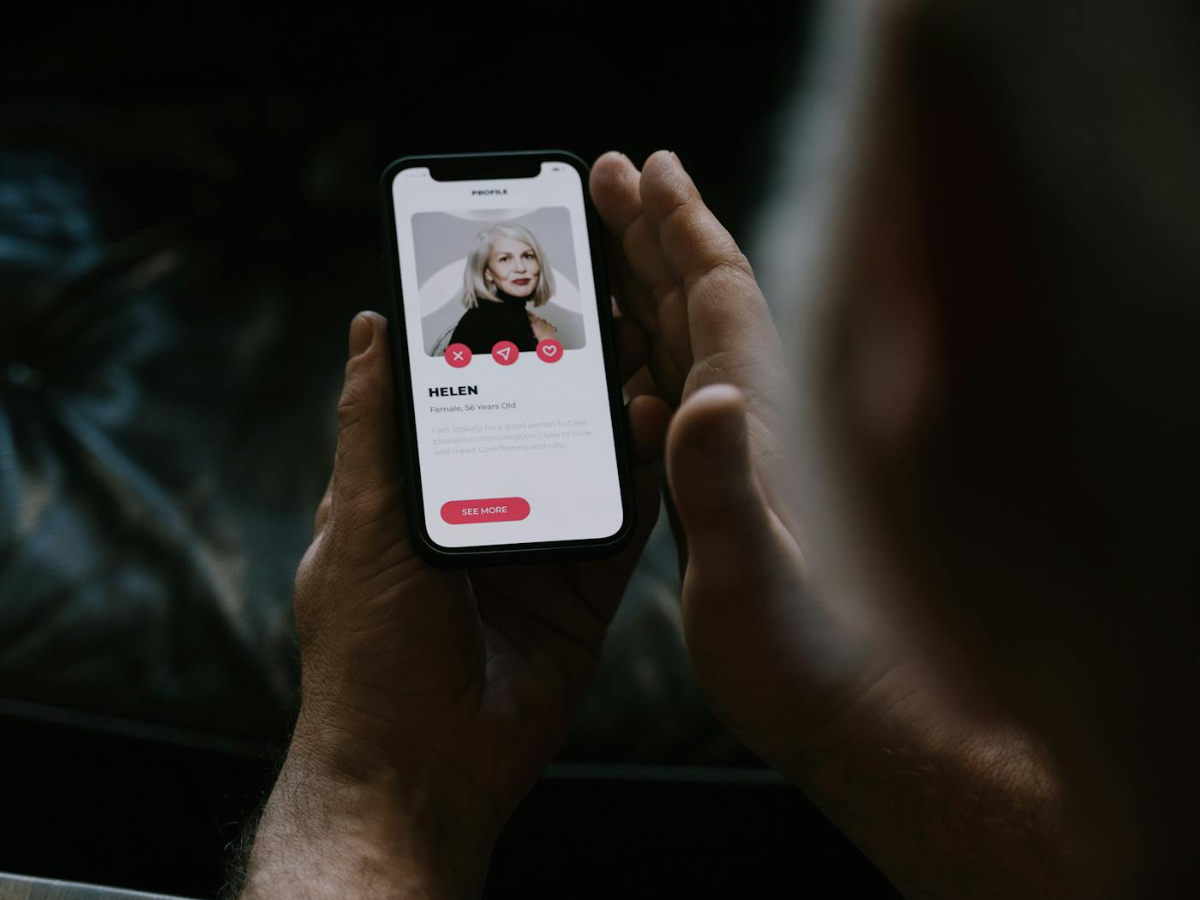
Online dating can be a great way to meet new people, but it’s also become a popular tool for scammers. Behind many perfect profiles are people trying to steal more than just your heart. They use emotional manipulation, false urgency, and convincing stories to gain your trust and then your money.
These scams often start out looking completely normal. The conversation feels genuine — maybe even exciting — until things suddenly take a turn: a request for help, a too-good-to-be-true investment tip, or a push to move off the app. Below we describe how online dating scams operate, the red flags to watch for, and how to protect yourself on dating apps. You’ll also learn what to do if you’ve already been scammed.
What are online dating scams?
Online dating scams are a form of internet fraud where someone pretends romantic interest with the goal of stealing money, personal data, or both. Scammers typically create fake identities, initiate relationships, and gradually steer conversations toward their objective.
Some scams are simple; others are run by organized groups creating many fake profiles, copying real photos, and repeating the same scripts until someone takes the bait. What makes them dangerous is how personal they feel — unlike a phishing email, this is an intimate conversation that slowly chips away at your skepticism.
How dating scams work: emotional manipulation & urgency
Romance scammers use tactics that feel personal. The goal is to lower your defenses before critical thinking intervenes. You’re not tricked in one moment — you’re guided slowly into a place where saying “yes” is easier than asking questions. The sequence often looks like:
Warmth & vulnerability
They mirror your language, share small vulnerabilities, and build rapport to feel genuine.
Rapid trust
Once rapport forms, the scammer accelerates intimacy — expressions of deep feeling, future talk, and personal disclosures.
Then — when trust has formed — the urgency arrives: a hospital bill, a travel emergency, or a “once-in-a-lifetime” investment opportunity. By the time money is requested, it often feels like helping someone you care about rather than a red flag.
Where scammers show up most
Scammers go where conversations happen and moderation is weakest:
- Tinder, Bumble, Hinge: Easy to create fake profiles and chat fast. Scammers push to off-platform messaging quickly.
- Instagram & Facebook Dating: Direct messages from “someone nearby” or “friend of a friend” can be fake.
- WhatsApp / Telegram: Private, encrypted, and hard to moderate — perfect for scammers.
- Niche sites & apps: Some target specific communities where victims may be less cautious.
- LinkedIn: Used for professional-sounding romance-investment scams.
How to spot an online dating scammer
Top signs that the person you’re talking to might not be who they claim:
1. One or no profile photos
Scammers often rely on one perfect photo (stolen or AI-generated). Look for context — friends, casual shots, or consistent story details.
2. Talks about crypto or “investment tips”
Scammers will slowly shift conversation toward investments (crypto / trading) using fake returns and FOMO tactics.
3. Sends suspicious links immediately
Links can be phishing, spyware installs, or fake account verification pages. Don’t click unknown links.
4. Claims a crisis / asks for money
Classic: “I wouldn’t ask, but I’m stuck and need a small loan.” Red flag — never send funds to someone you haven’t met.
5. Pushes to move off the app
Off-platform chat avoids moderation and increases psychological pressure. Slow it down and keep conversations within the app as long as possible.
6. Relationship moves too fast
“Love bombing” — declarations of affection very early — is a scripted technique to build trust quickly.
7. Generic or copied messaging
Scripted phrasing, awkward compliments, or overly polished replies may be a sign of scripted or AI-assisted messaging.
8. Pushes for sexual content
Sextortion risk — explicit photos can be used for blackmail. Don’t send compromising images.
9. Too good to be true profile
Model-like photos, perfect job, identical interests — scammers design irresistible profiles to lure victims.
10. Avoids video / in-person
Excuses about camera issues, travel, or “not being good on video” are common. Meeting in public is a stronger verification.
11. Asks for personal or financial info
Requests for addresses, ID numbers, banking or crypto wallets are immediate red flags — stop communication.
Most common scam types
Catfishing
Fake identity built to form emotional trust. The longer it runs, the harder it is to walk away — which benefits scammers.
Crypto / Investment Scams
“Pig butchering” style scams fatten victims emotionally then push them into fake investment platforms with fabricated returns.
Sextortion
Compromising images or videos are used for blackmail. Scammers threaten to expose content unless paid.
Emergency / Help Scams
Fabricated crises—medical emergencies or travel problems—are used to request money “just this once.”
Military / Overseas Professional Scams
Posing as soldiers or professionals abroad to justify absence and elicit sympathy (and funds).
Phishing & Malware Links
Links disguised as account verification or private galleries that phish credentials or install malware.
Fake Dating Sites
Entire platforms built to harvest data or charge fees for fake users and false features.
Inheritance & Money Mule Scams
Flattering storylines about large sums or requests to “help move money” that actually launder stolen funds through you.
How to outsmart a romance scammer
Romance scams rely on emotional momentum and hesitation to ask questions. Fight them with calm, curiosity, and verification.
Questions to ask early
Ask specific, repeatable questions — hometown details, routine, names of friends in photos. Truthful people stay consistent; scammers often fail over time.
Verify identity safely
Use reverse image search, check job details, and look for inconsistencies in stories. If possible, arrange a public in-person meeting. If they pressure you or make excuses, pause and verify further.
When to walk away or report
If something feels off, it’s okay to cut contact immediately. Block and report suspicious profiles to the dating platform — your report helps protect others even if you’re not sure it’s a scam.
What to do if you’ve been scammed
Act quickly. The longer you wait, the harder recovery becomes. Cut contact and follow these steps:
1. Secure accounts
Change passwords for email, bank, and social accounts. Enable two-factor authentication and remove suspicious app access.
2. Contact your bank or payment provider
Report unauthorized transfers and seek help to freeze accounts or dispute charges.
3. Monitor your identity
Consider a credit freeze, fraud alert, and identity monitoring services if personal info was shared.
4. Scan for malware
If you clicked suspicious links, run antivirus and malware scans on all devices.
Where to get emotional & legal support
Don’t feel ashamed — many people fall for romance scams. Look for victim support groups, report to your country’s cybercrime agency (FTC / IC3 in the U.S., Action Fraud in the U.K.), and consult legal/professional help if large sums are involved.
How to stay safe while dating online — practical tips
Security best practices
- Use a strong, unique password and 2FA for dating accounts.
- Don’t link profiles to primary social accounts when possible.
- Never share addresses, workplace details, or sensitive photos early on.
- Keep conversations on-platform while vetting someone’s identity.
Tips for first video / in-person meeting
- Choose a public place and let a friend know your plans.
- For video calls, use a plain background and avoid showing personal items.
- Never depend on a date for transportation on your first meeting.
Signs a dating platform may not be safe
Look for platforms with weak moderation, missing reporting tools, or many identical profiles. If you can’t find real reviews, or support contact details are missing, consider switching platforms.
Mental Health Disclaimer:
The information on this site is for educational purposes only and does not replace professional mental health care. We are a non-profit organization committed to increasing access to mental wellness education. If you are experiencing a crisis or need immediate support in the United States, call or text 988 to reach the Suicide & Crisis Lifeline.
Reach out to Providers at Our Sister Site
Leave a Reply