
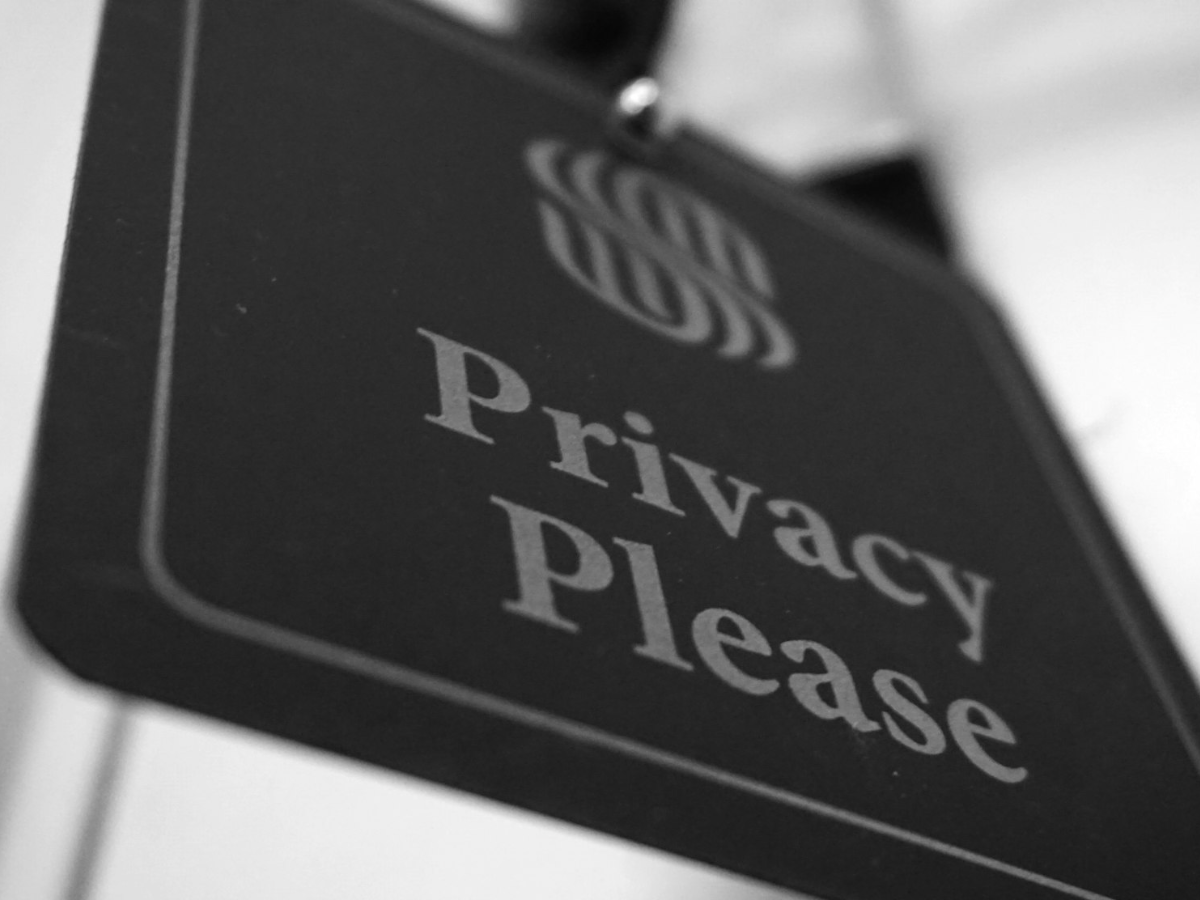
Think About What You Say In Public
We live in an age where personal data is currency, and unfortunately, many of us give it away without a second thought — often in the most ordinary, everyday situations. From picking up a prescription to browsing a rental property, the places we frequent in daily life can quietly become the places where our privacy is most at risk. Not from hackers or shadowy figures online, but from the simple act of speaking our personal information out loud in a room full of strangers.
The Pharmacy Counter Problem
The pharmacy is perhaps the most common place where people unknowingly overshare. You approach the counter to pick up a prescription, and the technician asks — sometimes loudly — for your full name, date of birth, address, and occasionally even the last four digits of your Social Security number to verify your identity.
Here’s the problem: pharmacies are busy, open spaces. There may be five, ten, or even twenty people within earshot. That person standing two feet behind you in line just learned your full name, birthday, and potentially your home address. They didn’t ask for it, and you didn’t consent to sharing it with them — but there it is.
What you can do: Ask the pharmacy staff to lower their voice when confirming sensitive details. You can also request that they show you a screen to type or verify information rather than speaking it aloud. Many pharmacies have policies that allow this if you ask. It’s also worth questioning why a pharmacy needs your Social Security number at all — in most cases, they do not. Insurance billing rarely requires a full SSN, and you are generally within your rights to decline providing it.
Grocery Stores and Loyalty Programs
Grocery stores have become surprisingly aggressive about collecting personal information. Loyalty card programs and discount apps frequently ask for your full name, phone number, email address, home address, and shopping history. Some have even experimented with collecting biometric data through facial recognition at self-checkout.
Beyond the digital collection, the checkout line presents its own privacy risks. Signing for purchases on a visible screen, speaking your phone number aloud to look up your loyalty account, or having a cashier call out your name from a credit card — these small moments add up. Someone paying attention nearby now knows your name and potentially your phone number.
What you can do: Consider using a generic email address for loyalty programs, or look into whether your store accepts a generic “community card” number that doesn’t tie back to your identity. When speaking your phone number aloud, be aware of who is nearby. You can also ask to type it in rather than saying it out loud.
Rental Properties and Open Offices
This is one of the most overlooked privacy risks in everyday life. When you tour a rental property — especially through a property management office or a busy real estate office — you are often asked to fill out a preliminary form or provide your information to a leasing agent while other prospective tenants, agents, or office staff are present in the same room.
These forms can ask for your full name, current address, employer, income, and Social Security number — all before you’ve even submitted a formal application. Worse, you may be asked to discuss this information verbally while others are seated nearby or walking through the office.
The risks here are real. Identity thieves sometimes pose as prospective tenants specifically to gather information from other applicants. Even without malicious intent, sensitive information discussed openly in a shared space can easily be overheard and remembered.
What you can do: Never provide your Social Security number on a preliminary interest form or during an informal conversation at a showing. A legitimate landlord or property manager should only request your SSN as part of a formal, written rental application — ideally submitted securely online or in a sealed document. If you’re asked to fill out paperwork in a shared space, it’s reasonable to ask for a private area or to take the form home and return it. You should also verify the legitimacy of any rental listing before providing any personal information at all, as rental scams are common.
The Broader Principle: Loud Spaces and Loose Lips
The common thread through all of these situations is that personal information shared in a semi-public environment doesn’t stay contained. Sound travels. People listen, even when they’re not trying to. And once your name, address, date of birth, or SSN has been spoken aloud in a room, you have no control over who heard it.
It helps to approach each request for personal information with a simple set of questions: Does this person or organization actually need this information? Is this the right environment to share it? Can I provide it in a more private way?
You are not being paranoid by asking to step aside, lower your voice, or decline to provide information that seems unnecessary. You are being appropriately cautious in a world where identity theft affects millions of people every year — and where the most dangerous moments are often the most mundane.
Quick Tips for Protecting Your Privacy in Public
- Ask to verify quietly. Whether at a pharmacy or a doctor’s office check-in, it’s always acceptable to ask staff to lower their voice or use a screen instead of speaking sensitive details aloud.
- Question SSN requests. Outside of employment paperwork, tax documents, and formal credit checks, your Social Security number is rarely truly required. Ask why it’s needed and what the alternative is if you decline.
- Be aware of your surroundings. Before speaking personal information aloud, take a moment to notice who is nearby.
- Use written over verbal. Whenever possible, opt to write down sensitive information rather than saying it out loud.
- Verify before you share. Especially in rental situations, confirm you are dealing with a legitimate business before handing over any personal details.
Your privacy is worth protecting — and protecting it often starts with something as simple as pausing before you speak.
Leave a Reply