
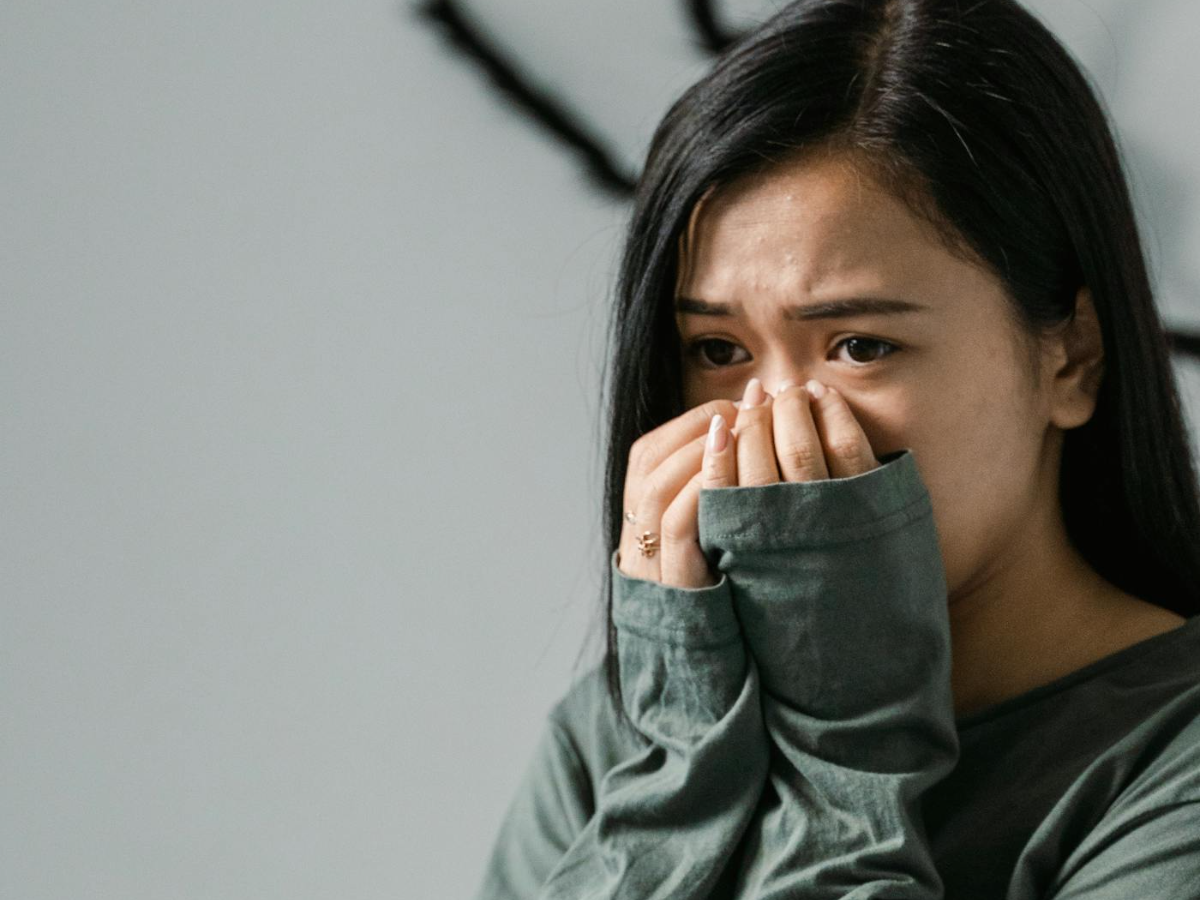
Understanding Anxiety: A Brief Overview
Anxiety is a natural response to stress, characterized by feelings of tension, worried thoughts, and physical changes like increased blood pressure. While anxiety is a normal part of life, chronic anxiety can disrupt daily activities and affect mental well-being. Understanding anxiety is crucial for addressing it effectively with self-help strategies.
Anxiety manifests in various forms and intensities, from generalized anxiety disorders (GAD) to panic attacks. Each type impacts individuals differently, necessitating personalized strategies for management. Recognizing the specific challenges anxiety presents is the first step towards empowerment and control.
Why Self-Help Strategies Matter
Self-help strategies empower individuals to take control of their mental health, often serving as a bridge between professional care and personal management. These strategies provide tools for individuals to navigate anxiety on their terms, fostering a sense of independence and confidence.
Moreover, the accessibility of self-help strategies means anyone can begin their journey to mental wellness at any time. By focusing on small, intentional actions, people can incrementally build resilience and break the cycle of anxiety in their everyday lives.
Evidence-Based Self-Help Strategies for Anxiety
- Mindfulness Meditation
Mindfulness meditation involves focusing your mind on the present moment. It reduces anxiety by interrupting the stress response and creating space for awareness.
- Set Time Each Day: Start with short, manageable sessions—5 to 10 minutes focusing on breathing or a single object. Gradually increase the duration as you become more comfortable with the practice.
- Guided Meditations: Consider using apps or online resources that offer guided sessions, easing new practitioners into mindfulness with structure.
- Cognitive Behavioral Techniques (CBT)
CBT aims to change patterns of thinking or behavior behind people’s difficulties. It’s especially effective for anxiety disorders by addressing the thoughts fueling anxiety.
- Journaling Thoughts: Keep a journal to track negative or distorted thinking patterns, identifying triggers that cause anxiety.
- Challenge Negative Thoughts: Once identified, challenge these thoughts by questioning their validity and reframing them more positively.
- Regular Physical Activity
Exercise is known to release endorphins, enhancing mood and serving as a natural anxiety antidote.
- Find Enjoyable Activities: Whether it’s jogging, yoga, or dancing, choose activities you enjoy to create sustainable engagement.
- Consistency Over Intensity: Regular, moderate exercise is often more beneficial than sporadic, intense workouts. Aim for 30 minutes most days of the week.
- Breathing Exercises
Simple breathing exercises can help regulate the nervous system and reduce anxiety symptoms quickly.
- 4-7-8 Breathing Technique: Inhale for a count of 4, hold for 7, and exhale for 8. This method calms the mind and body simultaneously.
- Deep Belly Breathing: Focus on deep, abdominal breathing to engage the body’s parasympathetic nervous system, promoting relaxation.
- Progressive Muscle Relaxation (PMR)
PMR involves tensing and then slowly relaxing each muscle group in the body, helping relieve physical tension associated with anxiety.
- Audio Guides: Use online tutorials or audiobooks to guide you through each muscle group, ensuring thorough relaxation.
- Regular Practice: Integrate PMR into your nightly routine, creating a clear transition from the stress of the day to restfulness.
- Establishing Sleep Hygiene
Quality sleep is crucial for managing anxiety. Improving sleep habits can reduce symptoms and provide rejuvenation.
- Create a Routine: Go to bed and wake up at the same time daily, optimizing your body’s internal clock.
- Limit Screen Time: Avoid electronic screens before bed to minimize blue light exposure that disrupts sleep.
- Diet and Nutrition
The foods we consume have a profound effect on our mood and anxiety levels.
- Balanced Diet: Incorporate whole grains, proteins, fruits, and vegetables to stabilize blood sugar levels and support mood.
- Omega-3 Fatty Acids: Found in fish and nuts, they reduce anxiety and support brain health.
- Social Connections
Having a support network is invaluable in managing anxiety, as humans are inherently social beings.
- Engage with Community: Participate in community events or groups that promote interaction and support.
- Share Experiences: Discussing emotions with trusted friends or family can reduce feelings of isolation.
- Time Management
Organizing tasks can prevent overwhelm, a common anxiety trigger.
- Prioritize Tasks: Use lists to prioritize activities, focusing on what is most urgent and important.
- Set Realistic Goals: Break tasks into smaller, manageable chunks, reinforcing a sense of accomplishment.
The Role of Digital Tools in Anxiety Management
Apps and Online Resources
- Numerous apps provide guided meditations, breathing exercises, and CBT techniques, facilitating practical, on-the-go access.
Supportive Online Communities
- Virtual groups offer global connections, helping users find relatable experiences and solutions.
The Empowering Impact of Community
Harnessing the power of community can amplify the benefits of self-help strategies. Being part of a collective movement towards wellness can boost motivation and continuity in practices that alleviate anxiety. Fitness Hacks For Life, for instance, prioritizes community-centered growth by providing accessible resources aimed at mental wellness. Discover more at Fitness Hacks For Life.
Embracing the Journey Toward Well-Being
Self-help strategies equip individuals with tools to tackle anxiety and improve mental health actively. Though not substitutes for professional care, these approaches offer a foundation for personal growth and resilience. The journey towards mental wellness is ongoing, but by making small, meaningful steps every day, a balanced and empowering life can be realized.
Incorporating these strategies into your life can instill a greater sense of calm and control, paving the way to a more peaceful existence. Remember, every small step taken is a victory on the path to managing anxiety.
Leave a Reply