
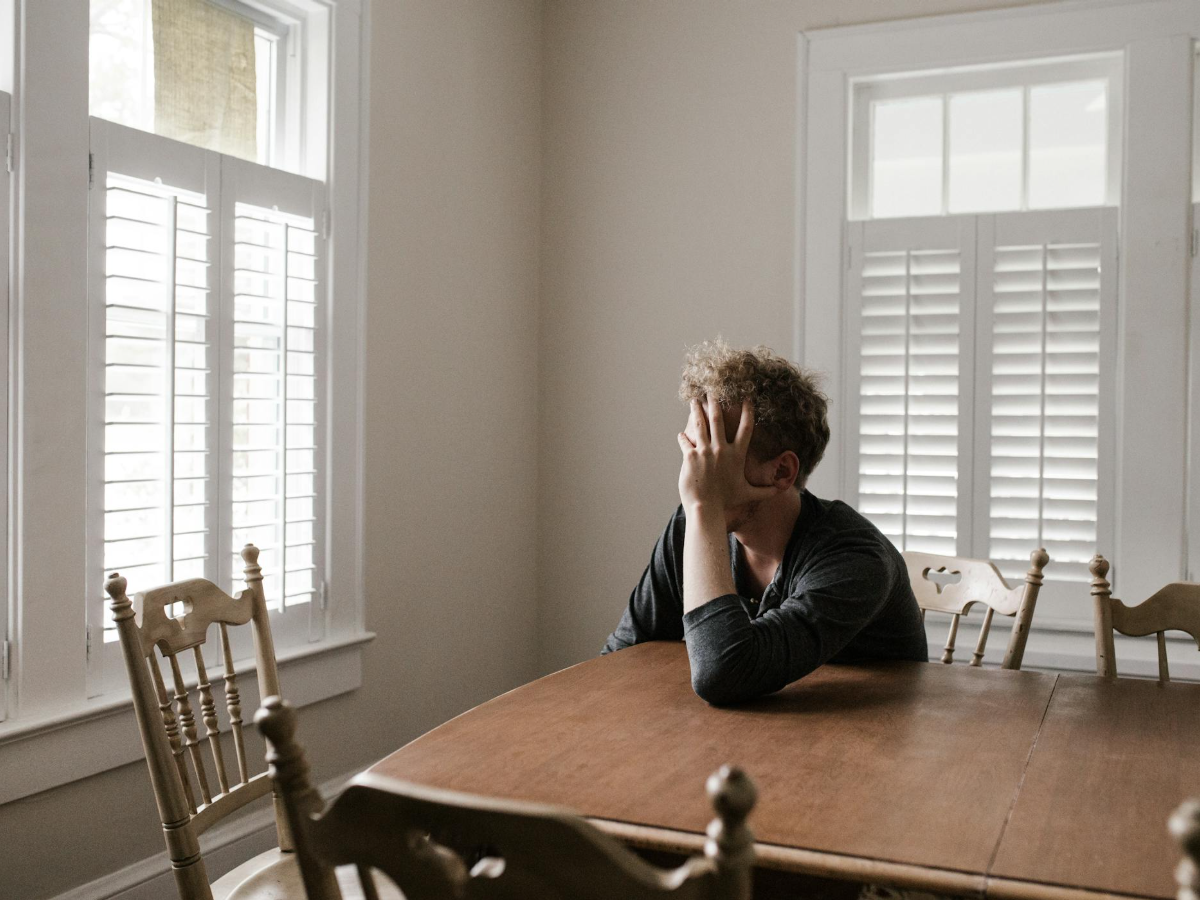
Anxiety can be a formidable challenge for those experiencing it and for their loved ones. When your partner struggles with anxiety, your support can be instrumental in their journey toward emotional balance. However, it’s important to support them in ways that are genuinely helpful and not overwhelming or unintentionally harmful. Here, we’ll explore how to help a partner cope with anxiety through practical strategies, providing insights into effective communication, and the importance of self-care.
Understanding Anxiety
Before delving into how to support your partner, it’s crucial to comprehend what anxiety entails. Anxiety is more than just everyday stress. It can manifest as persistent worry, racing thoughts, and physical symptoms like increased heart rate or sweating. These concerns may seem irrational to an outsider, but they are very real to those experiencing them. Recognizing anxiety as a legitimate mental health condition and not just a temporary mood helps in tailoring your supportive approach.
The Role of Empathy in Support
Empathy is your most valuable tool when aiding your partner through anxiety. Listening without judgment and validating their feelings create an atmosphere of trust and safety. Avoid rushing to solutions or dismissing their concerns. Instead, foster a dialogue that allows them to express their feelings openly, reinforcing that their experience is acknowledged and valued.
An empathic connection doesn’t require you to fix everything. Sometimes, simply being present and attentive is enough. Express your understanding by saying things like, “I can’t imagine how hard this must be for you, but I’m here to support you however I can.”
Effective Communication Strategies
Anxiety can often disrupt clear and constructive communication. Misunderstandings can arise, leading to frustration on both sides. Here are some strategies to maintain effective communication with your partner:
Active Listening
Active listening involves fully concentrating on your partner while they speak, showing genuine interest in their words. Provide feedback to ensure you’ve understood their concerns correctly. Phrases like “What I hear you saying is…” or “It sounds like you feel…” can help clarify conversations and ensure mutual understanding.
Avoiding Triggers
Identifying and avoiding topics or situations that trigger anxiety in your partner can aid in smoother interactions. This step requires an ongoing dialogue to determine what might exacerbate their anxiety, allowing you both to find ways to navigate or sidestep these triggers effectively.
Reassuring and Encouraging
While it’s essential to acknowledge your partner’s anxiety, reassurance and encouragement go a long way. Reminding them of their strengths and past successes can instill confidence and foster a more positive outlook on their current situation.
Setting Boundaries
Conversations around anxiety can be emotionally taxing. Establish boundaries to protect both partners’ mental health, ensuring communication remains healthy and supportive rather than overwhelming.
Practical Support Strategies
Beyond communication, practical steps can be employed to support your partner’s journey through anxiety:
Encouraging Professional Help
It’s important to encourage your partner to seek professional help if they haven’t already. Therapists can provide strategies tailored to their specific needs, something well beyond the scope of what a partner can offer. Support your partner by discussing their experiences with therapy, offering to accompany them if they find it helpful, or assisting in finding a therapist or support group.
Mindfulness and Relaxation Techniques
Introducing mindfulness and relaxation practices can be beneficial for both partners. Techniques such as deep breathing exercises, meditation, or yoga can reduce symptoms of anxiety. Encourage your partner to explore these practices, and join them if they’re comfortable. These activities can also be bonding experiences, helping to foster emotional closeness.
Establishing Routine and Stability
Anxiety thrives in chaos. Helping your partner establish a daily routine can provide a sense of structure and predictability. This doesn’t mean you need to dictate their schedule but rather to encourage consistency in activities like sleep, meals, and exercise, creating a stable environment that can mitigate anxiety symptoms.
Encouraging Healthy Lifestyle Habits
A balanced diet, regular physical activity, and sufficient sleep are foundational to managing anxiety. Encourage these habits by participating together, whether it’s cooking healthy meals or going for daily walks. Sometimes, making these changes together can be more effective than doing so alone.
Providing Space and Time
There will be times when your partner may need space to process their emotions or practice self-care independently. Respect their need for alone time without taking it personally. Offer your presence when requested but honor their autonomy in managing their anxiety as well.
The Importance of Self-Care for You
Supporting someone with anxiety requires emotional resilience. Ensuring you’re also taking care of your mental health will enable you to provide sustained support.
Setting Personal Boundaries
Understand your limits in providing support. It’s okay to step back when needed and seek your own support systems, whether through friends, family, or professional guidance. Healthy boundaries prevent burnout and ensure you can be present with energy and empathy.
Seeking External Support
Consider joining a support group for partners or caregivers of individuals with anxiety. Sharing experiences can provide emotional relief and practical advice, fostering a sense of community and understanding.
Practicing Self-Compassion
Navigating your partner’s anxiety journey can lead to feelings of helplessness or frustration. Practice self-compassion by acknowledging your efforts and accepting that it’s okay not to have all the answers. This perspective fosters a healthier mindset, allowing you to provide ongoing support effectively.
Building a Supportive Environment
A supportive environment extends beyond interactions with your partner and includes the broader context of their daily life.
Family and Friends
If appropriate and only with your partner’s consent, inform family or close friends about their anxiety to cultivate a wider support network. While respecting your partner’s privacy, having others aware means they can also offer support when necessary.
Leveraging Community Resources
Resources like Fitness Hacks For Life offer accessible, empathetic support that can complement your partner’s journey to wellness. Encourage exploring such platforms, as they can be valuable sources of information and empowerment.
Developing Resilience Together
Anxiety management isn’t solely an individual struggle. As a team facing these challenges, resilience can be developed through shared growth and understanding.
Finding Joy in Small Moments
Anxiety can often overshadow the positives in life. Seek joy in small, everyday moments, from shared meals to nature walks. Celebrating these instances together reinforces the bond between partners and provides respite from anxiety’s weight.
Establishing Shared Goals
Setting shared wellness goals, such as meditation practices or exercise routines, fortifies the sense of partnership and collective progress toward healthier living.
Recognizing and Celebrating Milestones
Acknowledge and celebrate milestones in your partner’s journey. Whether it’s attempting a new coping mechanism or overcoming an anxiety-inducing situation, these successes deserve recognition and reinforce the efforts put into healing and growth.
Closing Thought: Strength in Solidarity
Supporting a partner with anxiety requires patience, empathy, and mutual effort. It’s a shared journey where understanding, communication, and support deliver the path forward. As you stand by your partner’s side, practicing these strategies fosters strength and resilience for both parties, empowering a future of shared well-being.
Leave a Reply