Non-Sleep Deep Rest (NSDR) is a highly effective, structured technique designed to bring the body and mind into a state of profound relaxation without falling asleep. Often guided by a voice, NSDR is performed lying down comfortably and may include methods such as body scanning or yogic sleep (Yoga Nidra).
Benefits of NSDR
NSDR sessions, typically lasting 10 to 30 minutes, are excellent for:
- Stress Reduction: Lowers cortisol levels and heart rate.
- Enhanced Focus: Improves concentration and cognitive performance.
- Faster Recovery: Offers restorative benefits similar to sleep.
- Improved Sleep: Prepares the brain and body for deeper, more restful sleep later on.
How to Practice?
Find a quiet, dark place where you won’t be disturbed. Lie down and use a guided script or recording. The goal is to remain aware and conscious throughout the entire process, resisting the urge to drift off. Focus on the voice and the instructions, gently bringing your attention back whenever your mind wanders.
Gentle Yoga Tips for Immediate Relaxation
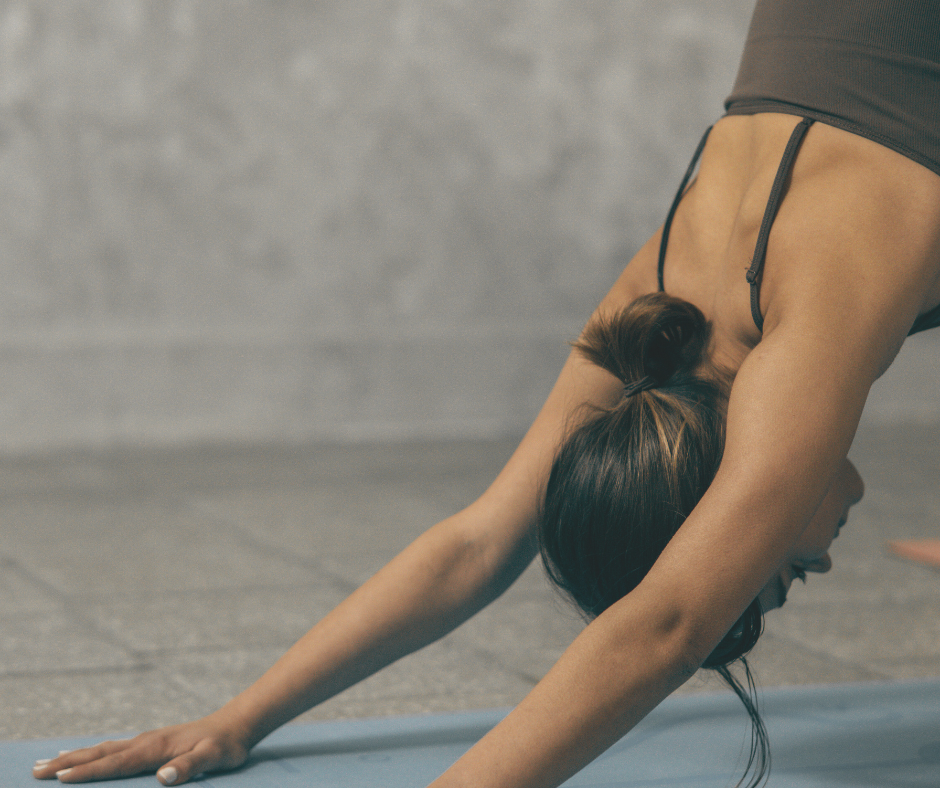
Yoga is an ideal partner to NSDR, offering physical postures (asanas) and breathing techniques (pranayama) that immediately signal the nervous system to relax. These three simple practices can be done anywhere and are highly effective at releasing tension.
1. Legs-Up-The-Wall (Viparita Karani)
This is one of the most restorative poses in yoga and requires minimal effort. It uses gravity to reverse blood flow and drain fluid from the legs, which can dramatically reduce fatigue and calm the mind.
- How to Practice: Sit next to a wall, swing your legs up against it, and lie back until your torso is perpendicular to the wall. Your sitting bones should be as close to the wall as comfortable.
- The Relaxation Benefit: Holding this pose for 5 to 10 minutes lowers your heart rate and activates the parasympathetic nervous system, signaling deep rest. It’s often called a “recharge” pose.
2. Alternate Nostril Breathing (Nadi Shodhana Pranayama)
This technique is used to balance the flow of energy in the body, which directly impacts mental state. It’s excellent for reducing anxiety and clearing the mind before meditation or sleep.
- How to Practice: Sit comfortably with a straight spine. Use your right thumb to close your right nostril and inhale deeply through the left. Then, use your ring finger to close the left nostril, release the right thumb, and exhale through the right. Inhale through the right, close it, and exhale through the left. That completes one full cycle.
- The Relaxation Benefit: By slowing down the breath and alternating sides, you harmonize the left and right hemispheres of the brain, leading to an immediate feeling of calm and mental clarity.
3. Corpse Pose with Full Breath (Savasana)
While it sounds simple, Savasana is often considered the most important pose in yoga, providing a final integration of relaxation. We combine it here with a deep breathing technique.
- How to Practice: Lie flat on your back, letting your arms fall open with palms facing up. Close your eyes. Inhale slowly and deeply, filling your belly, ribs, and chest completely (a “three-part breath”). Pause briefly, then exhale fully and slowly, letting your body become heavy.
- The Relaxation Benefit: The conscious, slow breathing actively stretches the vagus nerve (which runs from the brain to the abdomen), which is a direct pathway to calming the nervous system. By focusing on the full, deep exhale, you purge residual stress and tension.
Leave a Reply