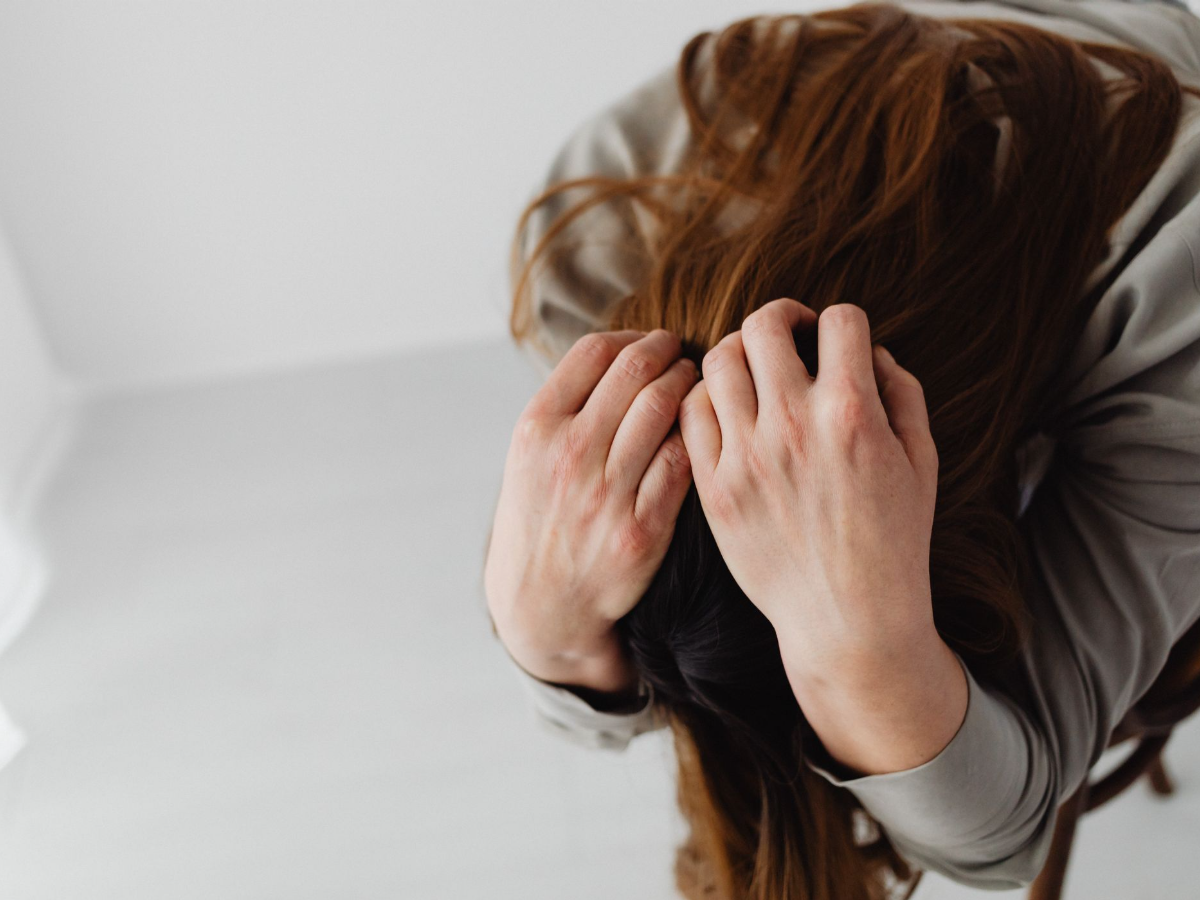
When people talk about anxiety, the conversation usually centers on racing thoughts, worry, or overthinking. But if you’ve ever felt a tight chest, clenched jaw, shallow breathing, or a stomach in knots when you’re anxious, you already know: anxiety doesn’t just live in your mind. It lives in your body.
That’s not a coincidence — it’s biology. And understanding why your body holds onto anxiety is the first step to actually releasing it.
Why Your Body Holds Onto Anxiety
When your brain perceives a threat — real or imagined — it activates your sympathetic nervous system, the “fight or flight” response. Your body doesn’t distinguish well between a genuine emergency and a stressful email, a hard conversation, or a spiraling thought. It reacts the same way either time: muscles tense, breathing quickens, heart rate rises, and stress hormones like cortisol and adrenaline flood your system.
The problem is that in modern life, we rarely get to complete that stress response the way our bodies expect to — through physical movement, like running from danger. So the tension has nowhere to go. It settles into your shoulders, your jaw, your chest, your gut — and stays there, sometimes long after the original trigger has passed.
This is why you can “think” your way out of a worry and still feel anxious. The thought may have passed, but your body hasn’t gotten the message yet.
5 Ways to Release Physical Anxiety
1. Try the 2-Minute Anxiety-Calming Stretch
Slow, breath-paired movement helps signal safety to your nervous system.
- Standing forward fold (30 sec) — hinge forward, let your head and arms hang, breathe slowly.
- Child’s pose (30 sec) — sit back on your heels, arms stretched forward, breathe into your back.
- Seated spinal twist (15 sec/side) — gentle twist each direction.
- Neck release (15 sec/side) — ear toward shoulder, opposite shoulder relaxed.
- Deep breath finish (15 sec) — 3 slow breaths, eyes closed.
2. Breathe Out Longer Than You Breathe In
A longer exhale activates your parasympathetic nervous system — your body’s natural “calm down” switch. Try inhaling for 4 counts and exhaling for 6-8 counts, a few times in a row.
3. Shake It Out
Literally. Animals in the wild physically shake after a stressful event to release built-up tension — and it works for humans too. A minute of shaking out your hands, arms, and legs can help discharge nervous energy.
4. Progressive Muscle Relaxation
Starting from your feet and working up, tense each muscle group for 5 seconds, then release. This teaches your body to recognize the difference between tension and relaxation — and helps you catch tightness before it builds up.
5. Get Your Feet on the Ground — Literally
Grounding techniques, like standing barefoot outside or pressing your feet firmly into the floor while noticing the sensation, can help pull your nervous system out of anxious overdrive and back into the present moment.
When Movement Isn’t Enough
These techniques can help release the physical tension that comes with everyday stress and anxiety — but they’re not a replacement for treatment if anxiety is a persistent, significant part of your life. If anxiety is affecting your daily functioning, relationships, or wellbeing, it’s worth talking to someone who can help.
TheraConnect connects you with both licensed mental health professionals and experienced coaches, so you can find the right kind of support for exactly where you are — free to search, no barriers.
FAQ
Why does anxiety cause physical symptoms like chest tightness or a stomachache?
Anxiety activates your body’s fight-or-flight response, which redirects blood flow, tenses muscles, and speeds up breathing and heart rate — all physical reactions, not just mental ones.
Can stretching actually help with anxiety?
Yes. Slow, breath-paired movement can help activate your parasympathetic nervous system, which counteracts the fight-or-flight response and helps your body physically shift out of an anxious state.
How do I know if my anxiety needs professional support?
If anxiety is persistent, intense, or interfering with your daily life, relationships, or wellbeing, it’s a good idea to talk to a licensed professional. Physical release techniques can help in the moment, but they’re not a substitute for treatment when anxiety is significant.
What’s the fastest way to calm anxiety in the moment?
Slow, extended exhales (longer than your inhale) are one of the fastest ways to signal safety to your nervous system, since they directly activate your body’s calming response.
This article is for general informational purposes and isn’t a substitute for professional medical or mental health advice. If you’re experiencing significant or persistent anxiety, consider reaching out to a licensed provider — find one on TheraConnect.
Leave a Reply