
We live in a world and era where everything is too fast. The modern world has its own advantages, such as advanced technology and a more civilized lifestyle. But its biggest drawback is the stress of keeping up with the pace. Anxiety and stress is too common today. 1 in 5 people in the USA have an anxiety disorder, and about 300 million people globally face this problem.
In such a rushed life, it is hard to find time for basic leisure and relaxation. Adding the reduction of a healthier environment to this causes such high rates of anxiety and other mental illnesses. Therefore, it is mandatory to take good enough care of yourself and your mental health. You need to take time from your busy routine and spend it in solitude and relaxation.
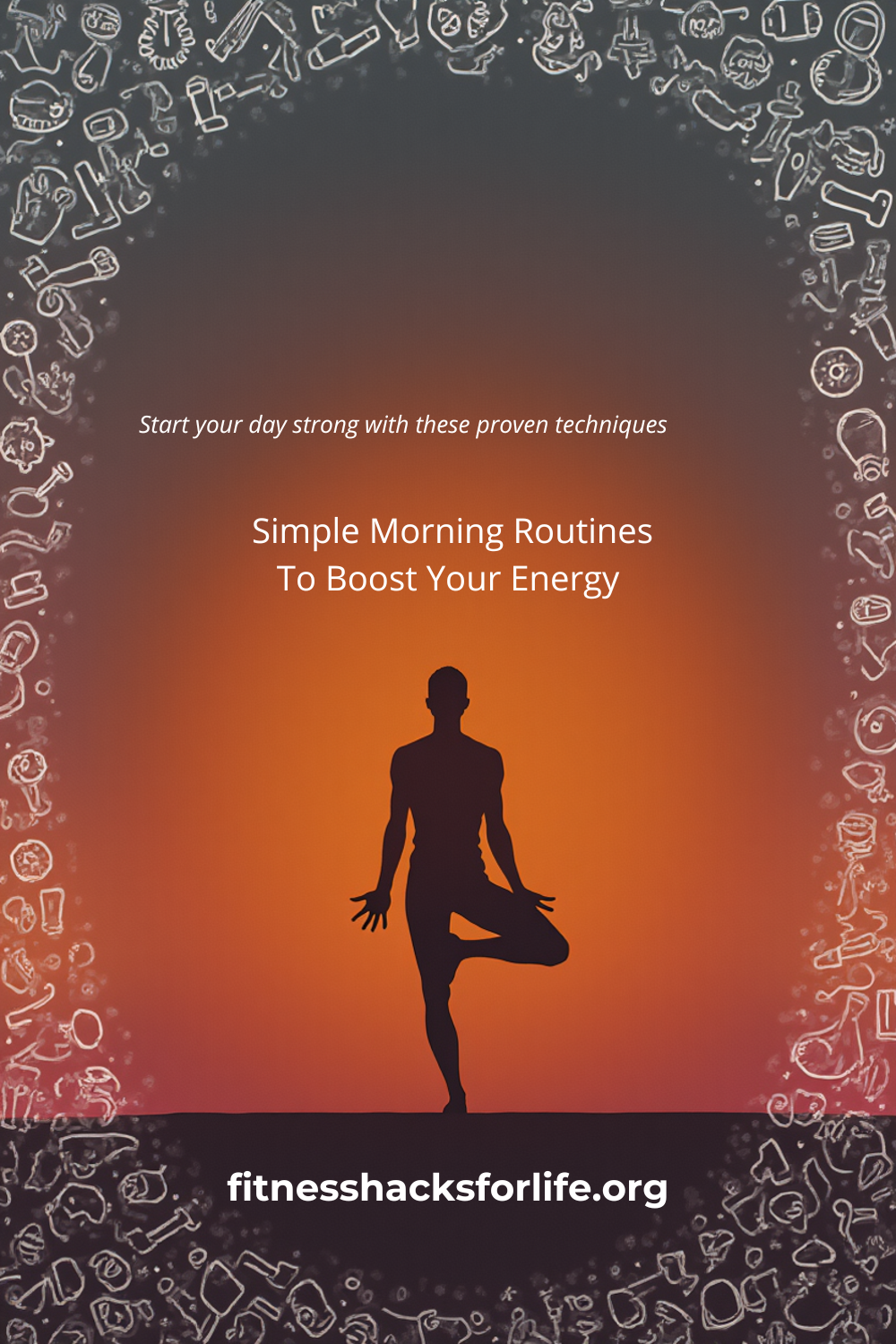
The best way to cope with stress and anxiety is through meditation and doing yoga. Yoga is a long-established way of achieving mental stability and peace. When you meditate, you give yourself the time you need. You cut yourself from the hectic world around you and focus on yourself. One of the many beneficial things yoga does is help you understand your qualities and your flaws.
When you are meditating, you tend to think about your existence and role in the outside world. This helps you understand yourself more deeply and rationally. You get to know your strengths and weaknesses. This enables you to work on your flaws and make a better person by completely eliminating them. This can also help to boost your confidence level.
There are many Asanas (postures) in yoga that help you instantly release stress. Stretching in yoga helps release anxiety by lowering cortisol level in your body. Cortisol is a hormone that is released when your body and mind is in great stress. It causes negative effects on your mind. Yoga and meditation can help your body overcome this.
All the Asanas in yoga help you stretch your body. You need to try postures that enable you to stretch as much as possible. This helps you release the blocked tension in your limbs and back and lets all your muscles relax completely. Yoga is also beneficial for maintaining and toning your body shape. It is a perfect way to exercise where it lets your mind to relax as well as your body to shape well.
1. Prioritize Breathwork (Pranayama)
The breath is the bridge between the mind and body. Dedicated breathwork can immediately calm the nervous system and is arguably the most powerful tool in the yoga arsenal for mental health.
- Tip: Practice Nadi Shodhana (Alternate Nostril Breathing): This technique is scientifically proven to balance the left and right hemispheres of the brain, leading to a state of calm and centeredness. Practice for 5-10 minutes before bed or whenever you feel anxious.
- Tip: Extend the Exhale: When feeling stressed or overwhelmed, focus on making your exhale longer than your inhale (e.g., inhale for 4 counts, exhale for 6 counts). This actively signals to your vagus nerve that it’s safe to rest and digest.
2. Move to Process Emotion (Asana)
Physical postures (asanas) are not just about stretching; they are about releasing stored tension and emotion held in the body’s tissues.
- Tip: Incorporate Hip Openers: The hips are often referred to as the “storage center” for stress, trauma, and suppressed emotions. Poses like Pigeon Pose (Eka Pada Rajakapotasana) or Bound Angle Pose (Baddha Konasana) can bring deep emotions to the surface, allowing you to acknowledge and process them.
- Tip: Practice Inversions for Perspective: Gentle inversions (like Legs-Up-the-Wall Pose or Puppy Pose) literally shift your perspective and can stimulate blood flow to the brain, which may help clear mental fog and reduce symptoms of depression.
3. Embrace Savasana as Non-Negotiable Rest
Savasana (Corpse Pose) is often considered the most essential pose in a yoga practice. It is the time when the nervous system integrates the benefits of the practice.
- Tip: Stay Put for the Full 5 Minutes: Even if you feel restless or busy, commit to staying still in Savasana for at least five full minutes. Use this time for non-judgmental observation of your thoughts rather than planning or reviewing your to-do list.
4. Cultivate Mindfulness through Movement
Mindfulness in yoga means paying attention to the present moment without judgment. This practice enhances emotional intelligence and reduces rumination.
- Tip: Anchor to Physical Sensation: If your mind wanders during a pose, deliberately bring your attention back to a specific physical sensation: the stretch in your hamstring, the feel of the floor beneath your feet, or the movement of your breath. This immediate grounding prevents the mind from spinning into anxiety about the past or future.
5. Find the Right Style for Your Current State
Different styles of yoga serve different mental health needs. Matching the practice to your current emotional state is key.
- When Feeling Agitated or Anxious: Choose slower, more restorative practices like Yin Yoga or Restorative Yoga, which are held for long periods and focus purely on deep relaxation and stillness.
- When Feeling Lethargic or Depressed: Choose more energetic, moving practices like Vinyasa or Ashtanga, which can help generate energy (prana) and lift your mood.
For those struggling with any sort of addiction, yoga and meditation are the only positive ways to slowly let go of addiction. Many of the addicts chose drugs to cope with the stress and anxiety of daily life. Professionals suggest meditation as an alternative for stress relieving rather than smoking or drinking.
Thus, yoga and meditation are the best way to cope with the pressure of modern life. It can help you focus on yourself and become a better person. It releases stored tension in your body and mind. It also helps you to remain in a good mood which is highly beneficial for a healthy mind.
Leave a Reply