
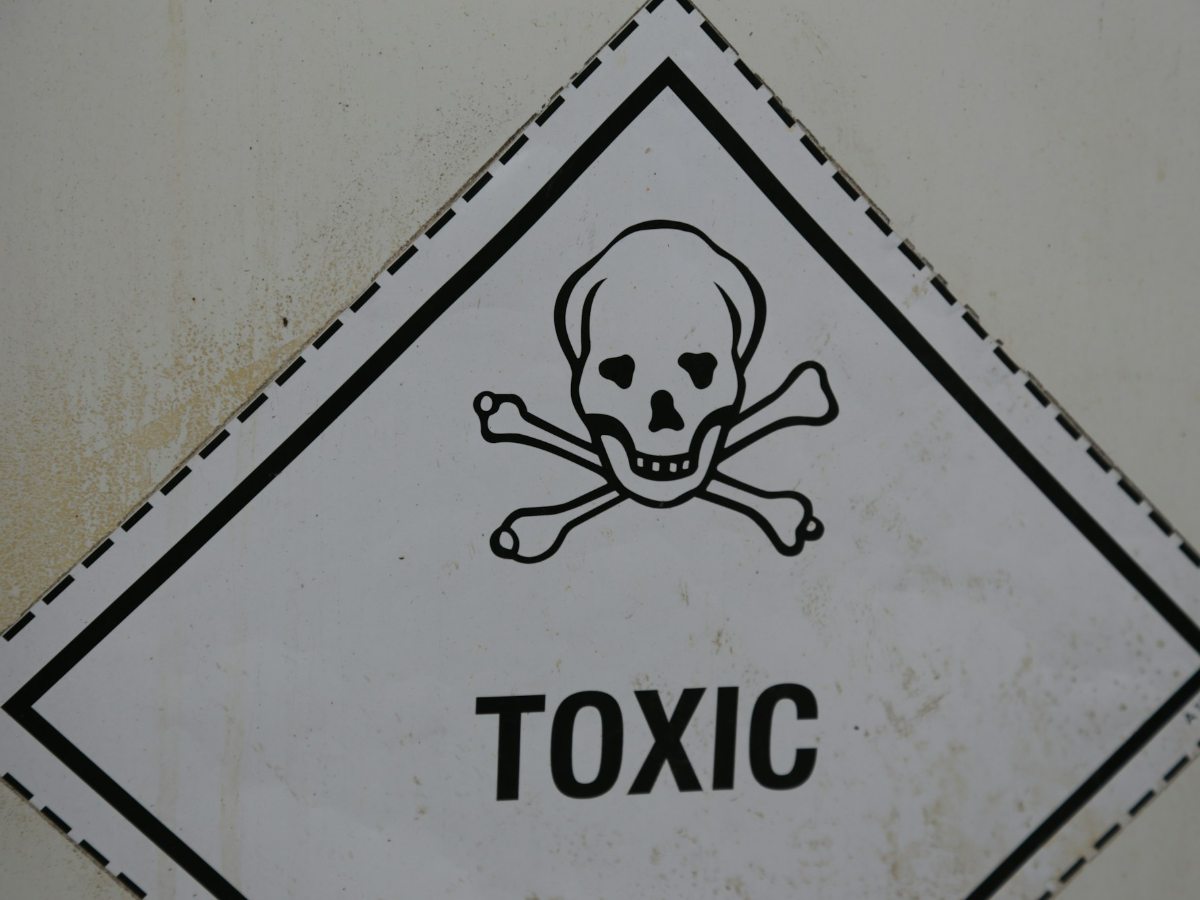
Toxic friendships don’t announce themselves with a villainous laugh. They operate in the shadows, disguised as “brutal honesty,” “banter,” or “shared history.” You constantly feel off-balance, yet you can’t point to a single, obvious transgression. You leave coffee dates feeling depleted, not energized.
This subtle, covert toxicity is what makes these relationships so difficult to escape—you doubt your own feelings. But your nervous system doesn’t lie.
If you are ready to stop doubting your gut feeling, here is a deeper analysis of the most damaging signs that your friend is actually a saboteur, designed to keep you small and keep them feeling powerful.
1. The Emotional Black Hole: You Are Their Unpaid Therapist
In a healthy relationship, emotional labor is balanced. Both people listen, both offer support, and both have moments of vulnerability. In a toxic one, you are simply a stage for their perpetual crisis.
The Deeper Dive: The Crisis Carousel
This person doesn’t want solutions; they want to wallow and be validated. They will present the same problems, with the same complaints, to the same outcome, year after year. If you offer a practical solution, they immediately shoot it down. Their goal is not to improve their life, but to ensure they have an audience for their unhappiness.
The result is energy depletion. You are drained from absorbing their drama, while they feel momentarily better having offloaded their negativity onto you. When it’s your turn to talk about a major life event, they check their phone or abruptly pivot the topic back to their latest emergency.
2. The Zero-Sum Game: Your Success is Their Competition
A true friend celebrates your wins as if they were their own. A toxic friend views your success as a direct threat to their self-esteem and status. They treat your life like a zero-sum game: for you to win, they must be losing, and they must immediately re-establish dominance.
The Deeper Dive: The Minimization Maneuver
This is the most common form of sabotage: minimizing your achievements.
- You: “I finally finished my first marathon!”
- The Toxic Response: “Oh, that’s great! My cousin runs ultra-marathons now, those are really the impressive ones. But hey, good job finishing!”
They don’t insult you directly; they just dilute your joy with comparison and condescension. If you get a promotion, they talk about the increased stress. If you meet someone new, they point out a flaw. They cannot tolerate your moment in the sun, so they cast a small cloud over it.
3. The Covert Critic: Backhanded Compliments and Gaslighting
This friend specializes in the backhanded compliment: a statement that sounds like praise but contains a hidden knife twist, designed to keep you insecure and confused.
The Deeper Dive: The “Too Sensitive” Trap
When you react to their subtle cruelty, they deploy gaslighting: making you feel like your justified reaction is the problem, not their behavior.
- The Backhand: “I love that vintage dress! It really suits you—it makes you look so much older, in a good way.”
- Your Reaction: “Ouch, that felt a little mean.”
- The Gaslight: “Oh my god, I was just teasing! You are so sensitive lately, I was just trying to be complimentary. You need to relax.”
By labeling you as “sensitive” or “dramatic,” they evade accountability, force you to apologize for defending yourself, and train you to suppress your intuition. They control you by controlling your version of reality.
The Psychology of Staying: Why It’s So Hard to Leave
You see the signs clearly, so why do you keep picking up the phone? It’s rarely about affection; it’s about emotional entanglement:
1. The Sunk Cost Fallacy (The History Trap)
You feel compelled to stay because of the “sunk cost”—the years of shared memories, past trips, or childhood bonds. You fear that ending the friendship invalidates all the time and effort you invested. Toxic friends weaponize this history by reminding you, “I’ve known you since high school! Nobody knows you like I do.”
2. The Comfort of the Familiar
While the relationship is painful, it is predictable. Breaking up means facing the unfamiliar void and the potential for loneliness, which can feel scarier than the known comfort of their negativity.
3. Trauma Bonding
In highly dramatic or volatile relationships, the shared experience of crisis or constant arguing can be mistaken for intimacy. The relief you feel when the storm passes tricks your brain into thinking the relationship is passionate and vital, not merely exhausting.
The Non-Negotiable Exit: Reclaiming Your Peace
You do not need their permission, their understanding, or their apology to walk away. You only need one thing: a commitment to your own well-being.
1. Choose The Fade-Out (Recommended)
This is the cleanest exit for a covertly toxic friend. They thrive on drama and confrontation; deny them the stage.
- Stop Initiating: Never text or call first.
- Delay Responses: Wait hours (or a full day) to respond to their non-urgent messages.
- Keep Responses Factual: If they ask to hang out, respond with a short, closed answer: “I’m tied up this weekend,” or “I’m focusing on work right now.”
- Do not explain or justify. Just be unavailable. They will eventually stop trying because the effort-to-drama ratio is too low for them.
2. The Direct, Focused Conversation (The Final Script)
If you need closure, deliver a clear, non-negotiable message that is focused only on your needs, not their faults.
“I care about you, but I need to take a step back and create some space for myself right now. This is a choice I’m making for my own mental health and well-being. I won’t be able to spend time together for the foreseeable future, and I ask that you respect my space.”
Crucially: Do not answer follow-up questions, do not debate, and do not let them turn the conversation into their crisis. If they start, say: “I understand you’re upset, but my decision stands. I wish you the best.” Then, end the call or conversation. Your emotional well-being depends on this firmness.
Leave a Reply