Feeling overwhelmed or experiencing chronic stress can significantly impact your daily life. You are not alone. Many people seek effective ways to find anxiety relief and improve their mental health.
Dedicating just 10 minutes a day to specific stress reduction exercises can make a profound difference. These quick practices help lower stress levels and activate your body’s natural “rest and digest” response, also known as the Parasympathetic Nervous System.
Today, we will explore powerful techniques that can help you manage the physiologic stress response and achieve physical relaxation, overcoming stress and promoting overall well-being. These methods are supported by experts like Nicole McCants and research from institutions like Cleveland Clinic and the National Center for Biotechnology Information.
Understanding Your Stress Response
When you experience stress, your Sympathetic Nervous System kicks into gear. This is your body’s “fight, flight, or freeze” response, designed for immediate threats and overcoming stress.
However, prolonged activation of this system due to chronic stress can be detrimental. It impacts sleep, digestion, immune function, and overall mental health, leaving you feeling overwhelmed.
The goal of these 10-minute stress reduction exercises is to activate your Parasympathetic Nervous System, also known as the “rest and digest” system. This parasympathetic activation helps restore balance and promote homeostasis, leading to significant anxiety relief and lowering stress levels.
Breathing Techniques for Calm
Breathing exercises are powerful tools for anxiety relief. They directly influence your nervous system, promoting a sense of calm and helping you in coping with stress.
Paced breathing and deep breathing are excellent ways to stimulate parasympathetic activation, shifting your body from the “fight, flight, or freeze” response to “rest and digest.” This helps in lowering stress levels and achieving physical relaxation.
The Four-Seven-Eight Breathing Method
The Four-Seven-Eight Breathing Method, popularized by Dr. Andrew Weil, is a highly effective technique for reducing stress and promoting mental health. It helps to quiet the mind and prepare the body for relaxation, offering significant anxiety relief.
This method involves inhaling for 4 seconds, holding your breath for 7 seconds, and exhaling slowly for 8 seconds. Repeating this cycle several times can significantly lower stress levels and promote physical relaxation, helping you overcome stress.
It is a simple yet profound way to engage your Vagus Nerve, which plays a key role in the Parasympathetic Nervous System. This technique is a vital stress reduction exercise for managing chronic stress and feeling overwhelmed.
Progressive Muscle Relaxation for Anxiety Relief
Progressive Muscle Relaxation is a powerful technique that helps you reduce stress and achieve deep muscle relaxation. It involves systematically tensing and then relaxing different muscle groups throughout your body, making you more aware of physical tension and how to release it.
Studies from sources like the National Center for Biotechnology Information show that progressive muscle relaxation can significantly decrease pain, fatigue, and stress. This method is excellent for achieving profound physical relaxation in just 10 minutes, making it a key stress reduction exercise.
By consciously tensing and releasing muscles, you train your body to let go of the stored tension commonly associated with chronic stress and the fight, flight, or freeze response. This helps activate your parasympathetic nervous system, promoting a “rest and digest” state.
Alternating Muscle Contractions: A Quick Relief Strategy
A dynamic variation of progressive muscle relaxation is Alternating Muscle Contractions. This technique involves quickly tensing and relaxing specific muscle groups, such as clenching your fists tightly and then immediately releasing them.
This rapid contraction and release helps to break the cycle of tension often linked to the sympathetic nervous system’s fight or flight response. It provides immediate physical relief and helps redirect your focus from feelings of being overwhelmed, offering quick anxiety relief and fostering body awareness.
Grounding Techniques: Connecting to the Present
When you are feeling overwhelmed, grounding techniques can bring you back to the present moment. These exercises help to interrupt racing thoughts and reduce anxiety quickly, offering immediate anxiety relief.
Grounding techniques are crucial for overcoming stress by shifting your attention away from internal worries and towards external sensations. This helps to quiet the sympathetic nervous system and promote parasympathetic activation.
The Five-Four-Three-Two-One Coping Technique
The Five-Four-Three-Two-One Coping Technique, also a widely recommended grounding exercise by experts like Nicole McCants, is a simple yet powerful method for lowering stress levels. It involves identifying:
- Five things you can see.
- Four things you can touch.
- Three things you can hear.
- Two things you can smell.
- One thing you can taste.
This method helps to engage your senses and anchor you firmly in the present, reducing the intensity of anxiety and the stress response. It’s a highly effective stress reduction exercise when you’re coping with stress or chronic stress.
Body Awareness Exercises for Anxiety Relief
Developing body awareness is a powerful tool for stress management and achieving anxiety relief. It helps you recognize where your body holds tension, providing a clear pathway to release it and promote physical relaxation.
Simple practices, often considered mindfulness exercises, can make a profound difference. Try feeling your feet firmly on the ground or noticing the gentle sensation of your clothes against your skin. These grounding techniques reconnect you with your physical self, diverting attention from racing, anxious thoughts and helping to quiet the sympathetic nervous system.
By engaging in these practices, you encourage parasympathetic activation, shifting your body into its natural “rest and digest” response. This is crucial for overcoming stress and lowering stress levels, offering significant mental health benefits.
Simple Yoga Poses for Anxiety Relief
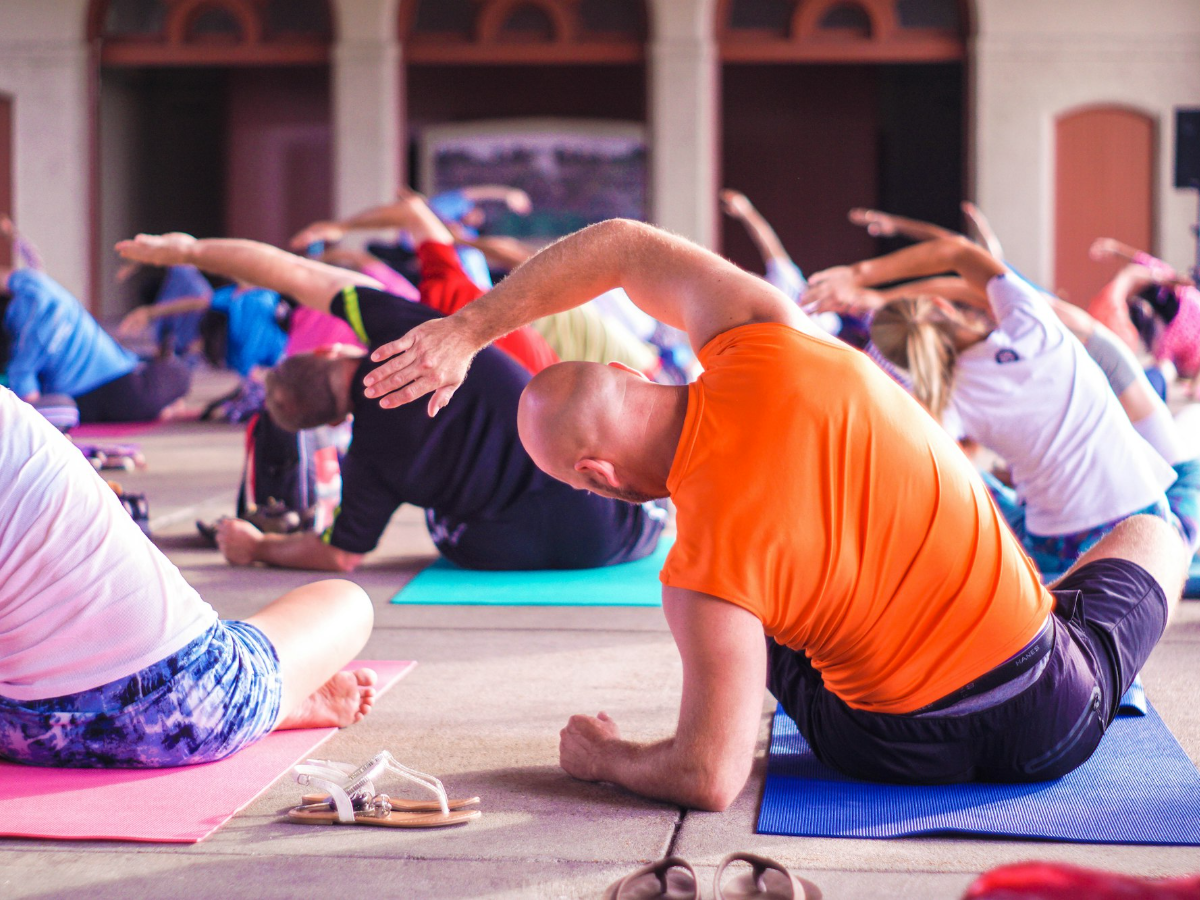
Yoga offers gentle movements and postures that can effectively reduce stress and tension. These poses activate your Parasympathetic Nervous System, promoting a sense of calm and initiating the “rest and digest” response.
Even a few minutes of yoga can provide significant anxiety relief, helping you cope with stress and overcome feeling overwhelmed.
| Yoga Pose | Benefits for Anxiety Relief | How to Perform (Briefly) |
|---|---|---|
| Child’s Pose (Balasana) | Gently stretches the back, hips, and shoulders, calming the nervous system and supporting physical relaxation. | Kneel, sit on heels, fold forward, forehead to floor, arms extended or alongside body. |
| Legs Up the Wall (Viparita Karani) | Promotes deep relaxation, reduces fatigue, and calms the mind, offering a powerful grounding exercise. | Sit next to a wall, swing legs up against it, lie on your back, arms relaxed. |
| Forward Fold (Uttanasana) | Releases tension in the spine, hamstrings, and calves, calms the brain, and helps with lowering stress levels. | Stand with feet hip-width apart, hinge from hips, fold torso over legs, hands to floor or shins. |
These poses, recommended by experts like Maylen Arroyo, founder of Recoupia, help release physical tension and foster an awareness of the moment, interrupting cycles of racing thoughts. They are excellent stress reduction exercises that contribute to overall mental health and stress management.
Integrating Movement and Mindfulness for Anxiety Relief
Combining short physical movement with mindfulness exercises can significantly reduce stress and improve your overall mental health. This approach helps you actively cope with stress and overcome feeling overwhelmed.
Consistency is key for stress management. Even 10 minutes daily can build resilience against chronic stress and enhance your physical relaxation, leading to profound anxiety relief.
“Just five minutes of yoga a day can allow you to get in touch with how your body and emotions are feeling, and build from there,” says Maylen Arroyo, highlighting the power of brief, regular practice in lowering stress levels.
Harnessing Breathing Techniques for Stress Reduction
Breathing techniques are powerful stress reduction exercises that directly impact your body’s stress response. Paced breathing and deep breathing can stimulate the Parasympathetic Nervous System, initiating the “rest and digest” response and counteracting the “fight or flight” response of the Sympathetic Nervous System.
One highly effective method is the Four-Seven-Eight Breathing Method, recommended by experts like Nicole McCants. This technique involves inhaling for 4 seconds, holding for 7 seconds, and exhaling for 8 seconds. Practicing this method helps calm the nervous system, leading to immediate anxiety relief and better stress management.
Progressive Muscle Relaxation for Physical Relaxation
Progressive Muscle Relaxation is a somatic exercise that can significantly decrease pain, fatigue, and stress, as noted by sources like the Cleveland Clinic. This technique involves systematically tensing and then relaxing different muscle groups throughout your body. By focusing on alternating muscle contractions and releases, you become more aware of physical tension and learn to release it.
Dedicate about 10 minutes to this practice. Start by tensing a muscle group (like your hands or feet) for 5-7 seconds, then completely relaxing it for 20-30 seconds. This process of physical relaxation helps to lower stress levels and promotes a sense of calm, effectively reducing chronic stress.
Grounding Techniques: Reconnecting with the Present
When you’re feeling overwhelmed or experiencing anxiety, grounding techniques can quickly bring your focus back to the present moment. These stress relief tips are invaluable for coping with stress and redirecting your attention away from worries.
The Five-Four-Three-Two-One Coping Technique is a popular grounding exercise. Identify five things you can see, four things you can touch, three things you can hear, two things you can smell, and one thing you can taste. This method engages your senses, helping to interrupt the stress response and promote mental clarity. It’s a practical tool for immediate anxiety relief.
Body Awareness Exercises for Mental Health
Body awareness practices are crucial mindfulness exercises that help you reconnect with your physical self, reducing stress and redirecting focus from anxious thoughts. Simple exercises, such as feeling your feet firmly on the ground or clenching and unclenching your fists, can provide significant stress relief.
These practices enhance your perception of physical sensations, allowing you to recognize and release muscle tension. By improving your body awareness, you can better manage the physiologic stress response and achieve a state of homeostasis, contributing to overall mental health and stress management.
Frequently Asked Questions About 10-Minute Workouts for Anxiety Relief
You’ve learned how integrating movement and mindfulness can help with anxiety. Now, let’s address some common questions about using 10-minute workouts for stress management and mental health.
Can a 10-minute workout really help with anxiety?
Yes, absolutely. Short, focused workouts, especially those incorporating paced breathing, progressive muscle relaxation, and grounding techniques, can significantly reduce stress and promote anxiety relief. These practices activate your parasympathetic nervous system, helping you shift from a “fight, flight, or freeze” response to a “rest and digest” state. Even brief periods of physical relaxation can lower stress levels and improve your overall mental health.
What is the best type of exercise for stress reduction?
Exercises that combine physical movement with mindfulness are highly effective for stress reduction. This includes gentle yoga, deep breathing exercises like the Four-Seven-Eight method, and body awareness practices. The key is to engage both your body and mind in lowering stress levels. These stress reduction exercises help you cope with stress and overcome feeling overwhelmed by activating your Parasympathetic Nervous System.
Breathing Techniques for Anxiety Relief
Breathing exercises are a cornerstone of immediate anxiety relief and long-term stress management. Techniques like the Four-Seven-Eight breathing method involve inhaling for four seconds, holding for seven seconds, and exhaling for eight seconds. This paced breathing stimulates the Vagus Nerve, a crucial component of the Parasympathetic Nervous System, which helps to calm the body’s stress response. Studies highlighted by institutions like the National Center for Biotechnology Information demonstrate that regular deep breathing can significantly decrease pain, fatigue, and stress, promoting physical relaxation and improving mental health.
Progressive Muscle Relaxation for Stress Reduction
Progressive muscle relaxation is another powerful tool for anxiety relief. This technique involves systematically tensing and then relaxing different muscle groups throughout your body. For example, you might clench your fists tightly for five seconds, then release the tension completely for 10 seconds, noticing the difference in sensation. This alternating muscle contractions method, often performed for 10 minutes, helps you become more aware of physical tension and consciously release it, thereby promoting deep physical relaxation and reducing chronic stress. The Cleveland Clinic frequently recommends this method for its effectiveness in lowering stress levels and improving sleep quality.
Grounding Techniques for Immediate Anxiety Relief
When you’re feeling overwhelmed, grounding techniques can quickly bring you back to the present moment. The Five-Four-Three-Two-One method is particularly effective: identify five things you can see, four things you can touch, three things you can hear, two things you can smell, and one thing you can taste. This grounding exercise shifts your focus from anxious thoughts to your immediate sensory environment, activating your “rest and digest” system and providing immediate anxiety relief. Such techniques are vital stress relief tips for managing acute stress responses.
Body Awareness Exercises and Simple Yoga Poses
Body awareness exercises encourage you to reconnect with your physical self, which can be highly beneficial for coping with stress. Simple practices like feeling your feet firmly on the ground, or mindfully clenching and releasing your fists, help redirect your focus from worries. Additionally, simple yoga poses can activate the Parasympathetic Nervous System and reduce tension. Poses such as Child’s Pose, Legs Up the Wall, and Forward Fold are excellent for promoting physical relaxation and lowering stress levels. These somatic exercises are widely recommended by experts like Nicole McCants for their ability to foster homeostasis and improve overall mental health.
How often should I do these exercises for chronic stress?
For best results in stress management, aim for consistency. Practicing these 10-minute stress reduction exercises daily can help build a routine that effectively manages chronic stress and significantly improves your overall mental health. Regularity helps reinforce positive physiological responses, leading to sustained anxiety relief and greater resilience against stress. Consistency is key to overcoming stress and achieving lasting physical relaxation.
What is the “fight, flight, or freeze” response?
The “fight, flight, or freeze” response is your body’s natural reaction to perceived threats, mediated by the Sympathetic Nervous System. While crucial for survival, its prolonged activation due to chronic stress can be harmful to your health. This physiologic stress response releases hormones like cortisol, leading to increased heart rate and muscle tension. Understanding this response is key to learning how to effectively use techniques like paced breathing and progressive muscle relaxation for parasympathetic activation and stress management.
Are there any specific techniques for immediate anxiety relief?
For immediate anxiety relief, try grounding techniques like the Five-Four-Three-Two-One method or deep breathing exercises, such as the Four-Seven-Eight method. These can quickly shift your focus and activate your “rest and digest” system, helping you feel more in control when you are feeling overwhelmed. These stress relief tips are excellent for quickly lowering stress levels and managing acute episodes of anxiety.
References
- 6 Exercises to Help Reduce Stress in 10 Minutes
- Stress Buster | 10-Minute Yoga for Instant Stress Relief
- Take a 10-minute stress relief break and try these three relaxing yoga poses
- In just 10 minutes, you can boost your mood and relieve anxiety! Plus, get …
- 10-Minute Yoga Routine For Stress and Anxiety Relief
Leave a Reply