
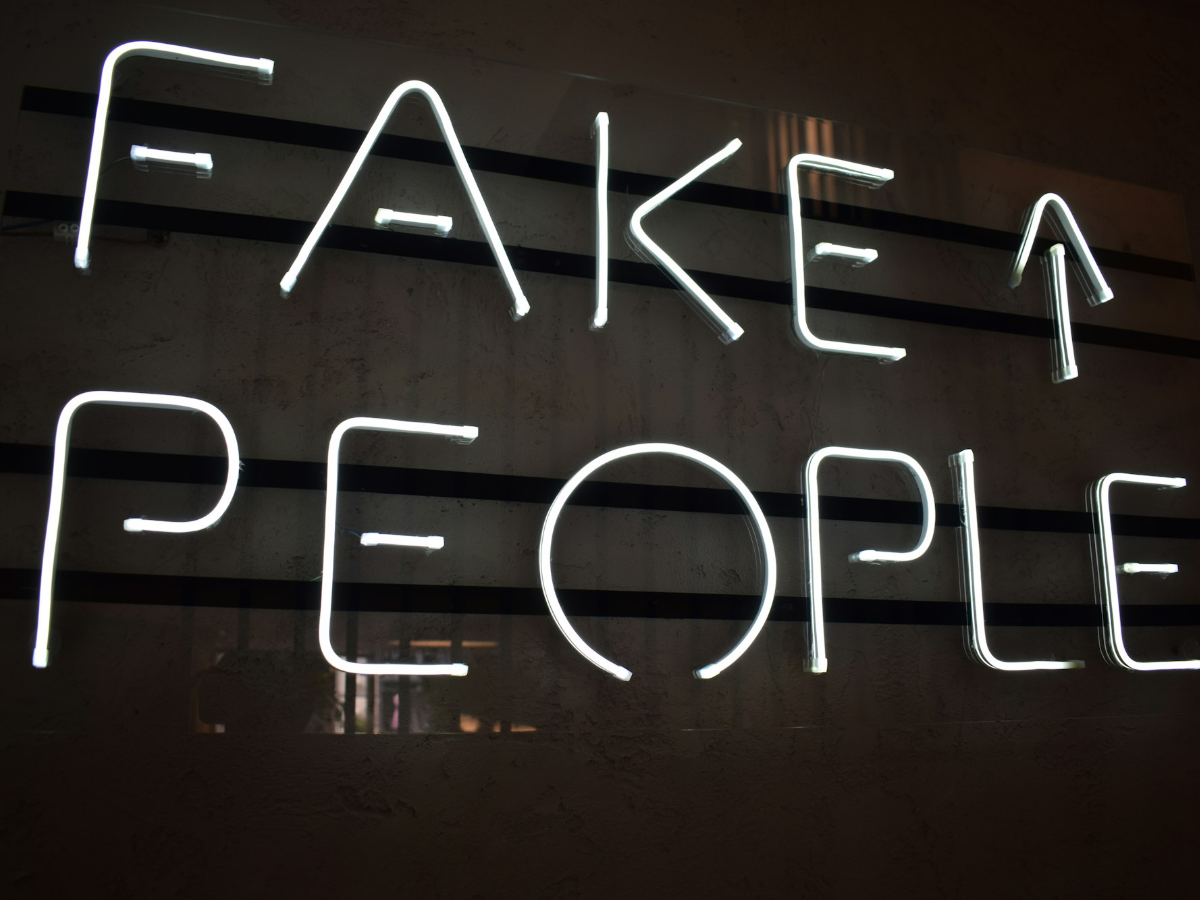
The Narcissist’s Most Seductive Lie — And How to See Through It
By FitnessHacksForLife.org | May 2026 | 12 min read
Primary keyword: future faking | Secondary: future faking narcissist, signs of future faking, what is future faking, future faking in relationships, how to spot a future faker
You Believed in the Future They Painted — And It Never Came
He talked about the house you’d buy together. The trips you’d take. The family you’d build. He described Sunday mornings in specific, loving detail — where you’d live, how life would feel, the version of your future that made your heart expand with possibility.
You believed him. Of course you did. Why would someone say all of that if they didn’t mean it?
But months — or years — later, none of it materialized. And every time you gently brought it up, there was a new excuse, a new delay, a new promise layered on top of the last one. Until one day you realized: the future he described was never meant to happen. It was a tool to keep you exactly where you were.
What you experienced has a name. It’s called future faking — and it’s one of the most emotionally devastating tactics used in narcissistic and toxic relationships.
What Is Future Faking?
Future faking is a manipulation tactic in which someone makes elaborate, convincing promises about a shared future — marriage, moving in together, having children, traveling, building a life — with no genuine intention of ever following through.
The promises aren’t idle daydreams. They’re specific, detailed, and emotionally targeted — designed to give you exactly what you most need to hear so that you stay invested, committed, and grateful in the present.
| The clinical definition Future faking is a manipulation tactic employed when a narcissist or toxic person promises to fulfill your desires in the future to get something they want in the present — which is often simply to get off scot-free, delay a commitment, obtain resources, or avoid a conflict. (Katie Couric Media / relationship trauma research) |
What makes future faking so insidious is that it exploits the most human of needs: the need to hope. The need to be chosen. The need to believe that the person you love sees a future with you.
Future faking turns that hope into a leash.
“Future faking isn’t just about false promises. It’s a targeted weapon — aimed directly at the life you most want to live.”
Why Narcissists Use Future Faking
Future faking is especially common in people with narcissistic personality disorder or narcissistic traits — though it can appear in any toxic relationship dynamic. Narcissists use it for several interconnected reasons:
1. To Keep You Hooked
Narcissists need a constant source of admiration, attention, and emotional supply. Future faking keeps you emotionally invested — always waiting for the future they promised, always giving them another chance. As long as you believe the future is coming, you stay.
2. To Avoid Accountability
When you confront a narcissist about their behavior — the emotional withdrawal, the broken promises, the way they make you feel — future faking is the perfect deflection. “I know things have been hard. But I’m going to change. We’re going to have that life I told you about.” The promise of a better future silences the legitimate grievance in the present.
3. To Gain Control
By painting a vivid picture of your ideal future together, a narcissist gains enormous leverage over you. You become invested in making the relationship work not just for what it is now — but for what it could be. That investment makes you more tolerant of mistreatment, more willing to wait, more reluctant to leave.
4. To Get What They Want Now
Future faking is often transactional at its core. The narcissist wants something in the present — your continued loyalty, financial support, sex, emotional labor, or simply your silence about their behavior. The future promise is the currency they use to buy it.
8 Future Faking Scripts Narcissists Use — And What They Really Mean
Future faking has recognizable language patterns. Here are eight common scripts, and what they’re actually communicating:
| 🗣 “I can see spending the rest of my life with you.” Said early in a relationship to create rapid emotional attachment and bypass your natural caution. The narcissist may genuinely believe this in the moment — but “the moment” is all they can access. Follow-through requires sustained effort they aren’t willing to give. |
| 🗣 “I’m going to change. I know I need to be better. Give me time.” Said after conflict to avoid consequences. This is future faking disguised as accountability. Real change looks like changed behavior — not promises of changed behavior. |
| 🗣 “Next year we’re going to [travel/move/start a family]. I just need to sort things out first.” The horizon always moves. There is always a reason it can’t happen yet. “Next year” becomes next year and the year after. The perpetually deferred plan is one of the clearest signs of future faking. |
| 🗣 “You deserve so much more than I’ve given you. I’m going to give you everything.” Particularly powerful after a period of mistreatment. The acknowledgment that you deserve better — combined with the promise to provide it — is emotionally disarming. It says: stay, because the good version of this is coming. It rarely is. |
| 🗣 “I’ve been thinking about us, and I know what I want. It’s you. It’s this.” Often deployed during the “hoover” phase when a narcissist senses you pulling away. The sudden clarity and certainty are designed to reignite your hope just as you were beginning to detach. |
| 🗣 “I’ve never felt this way about anyone. You’re different.” Love bombing language that establishes a fantasy foundation. You’re not just in a relationship — you’re in something extraordinary, something that justifies waiting for the promises to come true. |
| 🗣 “I want to introduce you to my family / I want to meet yours.” Promises of relationship escalation that signal seriousness and commitment — but frequently never materialize, or materialize briefly and are then withdrawn. |
| 🗣 “Things are going to be different from now on. I promise.” Post-conflict repair language. The most dangerous kind of future faking because it follows real pain — and your need to believe that the pain was the last time makes you vulnerable to the promise. |
10 Signs You’re Being Future Faked
Future faking can be hard to recognize when you’re in it — especially because the promises feel so real, so specific, and so clearly calibrated to your deepest hopes. Here are the signs to watch for:
| ⚠️ Signs of future faking — take these seriously Their words and actions consistently don’t match — they describe a future that their current behavior makes impossibleThe timeline always shifts — “soon” and “next year” keep getting pushed back without explanationYou feel more connected to the relationship you’re promised than the one you’re actually inPromises tend to appear after conflict, when you’re upset, or when you’re pulling awayThey talk about themselves — their feelings, their desires, their vision — far more than they ask about yoursWhen you gently raise the broken promises, the response is more promises (not actions)You find yourself defending the relationship to friends and family using future promises rather than present realityYou’ve had the same conversation about the same unmet promises multiple timesThe relationship has a pattern of: wonderful phase → disappointment → new promise → wonderful phaseYou feel more hopeful about the future of the relationship than happy in its present |
“To recognize future faking, you must be willing to notice when the person’s actions don’t match their words — even when you desperately want their words to be true.”
Future Faking vs. Genuine Intentions — How to Tell the Difference
Not everyone who breaks a promise is future faking. Life happens. Circumstances change. People genuinely mean things and then find themselves unable to follow through.
The difference between a genuine person who fails to deliver and a future faker is pattern, purpose, and response to accountability:
A genuine person who meant it will:
- Acknowledge the broken promise specifically and take responsibility
- Show changed behavior, not just renewed promises
- Be consistent over time — the gap between what they say and what they do narrows
- Welcome honest conversation about the pattern without becoming defensive or turning it back on you
- Show distress about their own failure to follow through
A future faker will:
- Respond to confrontation with new promises rather than acknowledged accountability
- Become defensive, dismissive, or make you feel unreasonable for raising it
- Show a consistent gap between words and actions that never closes over time
- Make promises that are precisely calibrated to your vulnerabilities and desires
- Use the promise as the end of the conversation — not the beginning of change
What Future Faking Does to You
Living in a relationship built on future faking has profound psychological effects — many of which take time to recognize because they develop so gradually.
- Chronic hope and disappointment cycles train your nervous system to associate love with uncertainty and emotional instability
- You begin to doubt your own perceptions — “Maybe I’m being too impatient. Maybe I’m asking for too much.”
- Your self-worth becomes entangled with whether the promised future arrives — if they follow through, you feel worthy; if they don’t, you feel like the problem
- You develop a trauma bond: an addictive attachment formed through intermittent reinforcement — the unpredictable pattern of reward and disappointment that is psychologically the most powerful bonding force there is
- You may begin to minimize or rationalize present mistreatment because of the promised future
- Over time, many survivors of future faking find it difficult to trust their own judgment about relationships
| Trauma bonding and future faking Future faking creates and sustains trauma bonds — the powerful emotional attachment that forms in relationships with intermittent patterns of reward and punishment. The promise of the future is the reward that keeps you attached through the pain of the present. Understanding this mechanism is essential to breaking free. Read more: How to Stop Trauma Bonding With a Narcissist → fitnesshacksforlife.org |
What to Do If You’re Being Future Faked
Recognizing future faking is the first and hardest step. Here is a framework for what to do once you see the pattern:
1. Implement the 3-Month Reality Check
Rather than listening to what they say, watch what they do over the next 90 days. Not whether they make more promises — whether the existing promises are showing any signs of movement. Real change requires sustained behavioral evidence, not a single compelling conversation.
2. Name It Directly
Tell your partner specifically what you were promised and what has happened instead. Watch the response. Does it involve genuine accountability and a concrete plan — or more promises, deflection, or turning it back on you? The response tells you everything.
3. Root Yourself in the Present
Future faking works because it keeps you living in a relationship that doesn’t exist yet. Practice radical present-tense assessment: Is this relationship — right now, today — meeting your needs? Is the person in front of you — not the person they’ve promised to become — someone you want to be with?
4. Talk to Someone You Trust
Isolation is part of what makes future faking work. When you’re cut off from honest outside perspectives, the promises feel more real. Talk to a trusted friend, family member, or therapist who can reflect reality back to you without judgment.
5. Consider Professional Support
Recovering from future faking — especially in a long-term relationship — often requires professional support. A therapist who understands narcissistic abuse can help you untangle the trauma bond, rebuild your trust in your own perceptions, and develop the clarity you need to make decisions that serve you.
| Find a therapist who understands narcissistic abuse TheraConnect (theraconnect.net) connects clients with licensed therapists and mental health professionals nationwide — including providers with specific experience in narcissistic abuse, trauma bonding, and relationship recovery. Free to search. No waitlist pressure. |
Frequently Asked Questions About Future Faking
Q: Is future faking always intentional?
Not always. Some people who future fake genuinely believe their promises in the moment — particularly those with narcissistic traits who live in the present without a realistic relationship to future follow-through. But whether the deception is conscious or not, the impact on you is the same: broken trust, wasted time, and emotional harm.
Q: Can a future faker change?
Genuine change is possible but rare — and it requires the future faker to acknowledge the pattern, take full responsibility, seek professional help, and demonstrate sustained behavioral change over time (not just new promises). Without all of these elements, change is unlikely. Watch actions, not words.
Q: Is future faking the same as love bombing?
They’re related but distinct. Love bombing is the intense idealization phase at the start of a relationship — overwhelming affection, attention, and devotion designed to rapidly create attachment. Future faking often occurs within or following love bombing, and continues throughout the relationship as a control mechanism. Both are manipulation tactics; they frequently appear together.
Q: How do I know if I’m trauma bonded?
Signs of trauma bonding include: feeling addicted to the relationship despite knowing it’s harmful; finding it impossible to leave even when you want to; feelings of intense loyalty to someone who hurts you; defending your partner to others while privately acknowledging the harm; and your mood being almost entirely dependent on your partner’s behavior. Read more at fitnesshacksforlife.org.
Q: What’s the difference between future faking and making plans that fall through?
The key differences are pattern and response. A person who genuinely means their promises will show distress when they fall through, take specific accountability, and show behavioral change over time. A future faker responds to broken promises with more promises, deflection, or making you feel unreasonable for raising it.
| Key Takeaways ✦ Future faking is making false promises about a shared future to control you in the present. ✦ It’s most common in narcissistic and toxic relationships — but not exclusive to diagnosed NPD. ✦ Narcissists use it to keep you hooked, avoid accountability, and get what they want now. ✦ The test is simple: watch what they do, not what they say. Over 90 days, do actions follow words? ✦ Future faking creates and sustains trauma bonds through intermittent reinforcement. ✦ Recovery is possible — with clear perception of the present, trusted support, and professional help. |
You Deserve a Love That Shows Up — Not One That Promises To
Future faking leaves a specific kind of wound — not just the loss of the relationship, but the loss of the future you believed in. The grief for a life that never existed is real, and it deserves to be taken seriously.
Healing from future faking means learning to root yourself in what is real, what is present, and what is actually being offered — not what has been promised. It means rebuilding trust in your own perceptions. And it means allowing yourself to grieve not just what was lost, but what was never actually there.
You deserve a relationship where the future that’s described is one that’s being built — every day, in the present, with consistent action.
| Continue Your Healing Journey Find a therapist who specializes in narcissistic abuse → theraconnect.net 100+ free resources on narcissism, trauma bonding, and recovery → fitnesshacksforlife.org Related reads: Signs of a Narcissist · How to Stop Trauma Bonding · Recovering from Narcissistic Abuse · Gaslighting in Relationships · The Grey Rock Method |
FitnessHacksForLife.org | fitnesshacksforlife.org | Sister platform: TheraConnect.net | May 2026
Leave a Reply